
Mikumi National Park
Tanzania's Accessible Wildlife Haven
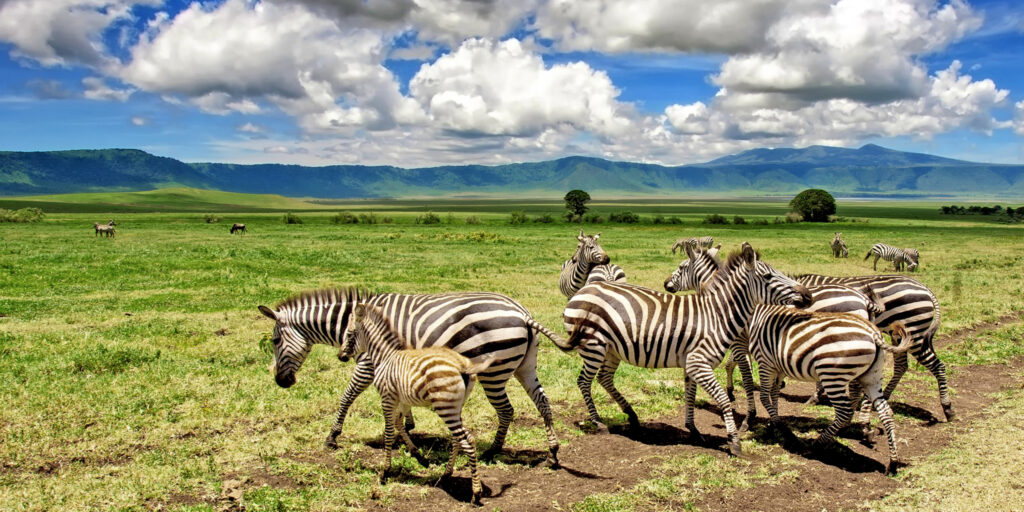
“Where the Mkata Floodplain rivals the Serengeti, but the crowds never arrive.”
Just a four-hour drive from Dar es Salaam lies one of Tanzania’s best-kept secrets – Mikumi National Park. Often called the “mini-Serengeti of the South,” this 3,230-square-kilometre park offers an authentic African safari experience without the tourist throngs of the northern circuit . Gazetted in 1964, Mikumi is Tanzania’s fourth-largest national park and the most accessible from the country’s largest city, making it the perfect choice for weekend visitors, families, and travellers short on time .
A Living Landscape: The Mkata Floodplain
The heart of Mikumi National Park is the Mkata Floodplain – a sweeping expanse of open savannah often compared to the Serengeti . The park lies in a dramatic horseshoe of towering mountains: to the east rise the 2,743-metre massif of the Uluguru Mountains, while to the southwest are the craggy peaks of the Uvidunda Mountains . The Dar es Salaam to Iringa highway actually cuts through the park for 50 kilometres, dividing it into two distinct areas with partially different environments .
The vegetation is classic savannah, dotted with acacia, baobab, tamarind, and borassus palm trees . To the south, Mikumi forms a unique ecosystem with the Nyerere National Park (formerly Selous Game Reserve), allowing animals such as elephants, buffaloes, wild dogs, and zebras to migrate freely between the two protected areas .
The park’s name itself comes from the Swahili word for the Borassus palm, which once grew abundantly in the area but is now rarely seen in the village that bears the same name .
What You'll See: Wildlife Highlights
Mikumi offers almost guaranteed year-round wildlife sightings, making it one of the most reliable places in Tanzania for animal encounters, especially during the dry season when animals gather around water sources . Visitors can expect to see:
Mammals
Elephants – Large herds gather near the Mkata River, often seen cooling off at waterholes
Lions – Frequently spotted lounging under acacia trees or hunting on the floodplains at dawn
Buffalo – Massive herds graze the open plains, often quite close to the roadside
Giraffes – A unique subspecies, considered a link between the Masai and reticulated giraffes
Zebras, wildebeest, impalas, and eland – The eland is Africa’s largest antelope
Wild dogs – Rare but occasionally spotted; the park is part of a huge ecosystem that supports these endangered predators
Greater kudu and sable antelope – Found in the miombo woodlands on the foothills of the local mountains
Lichtenstein’s hartebeest and Defassa waterbuck – More challenging to find but present in the wooded areas
Primates
Yellow baboons – Subject to one of the continent’s few long-term primate studies
Vervet monkeys – Commonly seen playing in the undergrowth
Unique Species
The park is also home to afromontane forest found on the summit of Mount Malundwe (1,250 metres), a forest type renowned for its unique flora and fauna .
Birdwatcher's Paradise
With over 400 recorded bird species, Mikumi is a haven for bird lovers . The park’s wetlands, savannahs, and riverine forests attract a dazzling array of birds throughout the year:
Yellow-throated longclaw – The park’s signature bird
Lilac-breasted roller – One of Africa’s most colourful birds
Bateleur eagles, vultures, and fish eagles – Often seen soaring in the intense blue skies
Ground hornbills – Striking turkey-sized birds striding across the plains
Carmine bee-eaters and kingfishers
Widowbirds and bishops – Breeding plumage during the rainy season
European migrants – Join the resident birds during the rainy season (November to April)
Climate and Weather
The park has a bi-modal rain season, characterized by short rains in October to early November, followed by long rains lasting five to six months . The annual average rainfall is 700mm, although the pattern is very unpredictable. There is always a definite dry period between January and February.
The wet months are associated with hot, humid weather, where temperatures reach up to 30°C. Dry months are cooler, with temperatures between 20°C and 25°C. The annual average temperature is 25.5°C .
Activities
Game Drives: Morning and evening game drives are the best way to explore Mikumi’s open plains and riverine landscapes. Early morning and late afternoon offer the best wildlife sightings and photography opportunities .
Walking Safaris: Guided walking safaris offer an intimate way to experience the wilderness, exploring areas inaccessible by vehicle. You’ll discover animal tracks, learn about medicinal plants, and observe smaller creatures up close .
Birdwatching: With over 400 species, dedicated birdwatchers will be rewarded throughout the year .
Explore the Hippo Pools: Just northwest of the main entry gate, the Hippo Pools are a must-visit attraction. Watch hundreds of hippos wallowing and snorting at close range.
Maasai Cultural Experience: Visitors can also experience traditional Maasai culture with a village visit, where you can learn about their traditions, see their attire, and enjoy their warm welcome songs and dances .
Practical Information
- Location: 283 km west of Dar es Salaam; 107 km from Morogoro
Access: By road via the Dar es Salaam–Iringa highway, which traverses the park for 50 km; accessible by 4×4 vehicle
Park Size: 3,230 km² (1,250 sq miles)
Altitude: 500 to 1,250 metres
Visa: Most nationalities require a visa for Tanzania, available on arrival or online
Language: Swahili and English are widely spoken
Currency: Tanzanian Shilling (TZS); US dollars accepted in tourist areas
Why Add Mikumi on Your Itinerary
Mikumi offers something rare in Tanzania: an authentic safari experience within easy reach of a major city. Whether you have a weekend to spare or are seeking a less crowded alternative to the northern circuit, Mikumi delivers:
Big Five sightings – without the crowds
Affordable fees – lower than northern parks
Year-round wildlife – no strict “best season”
Diverse ecosystems – from floodplains to miombo woodlands and afromontane forest
Combine with other parks – easily paired with Udzungwa Mountains National Park or Nyerere National Park for an extended southern circuit adventure
The land of open plains, ancient baobabs, and abundant wildlife awaits.