
NGORONGORO CRATER
The Ultimate Guide to Africa's Garden of Eden
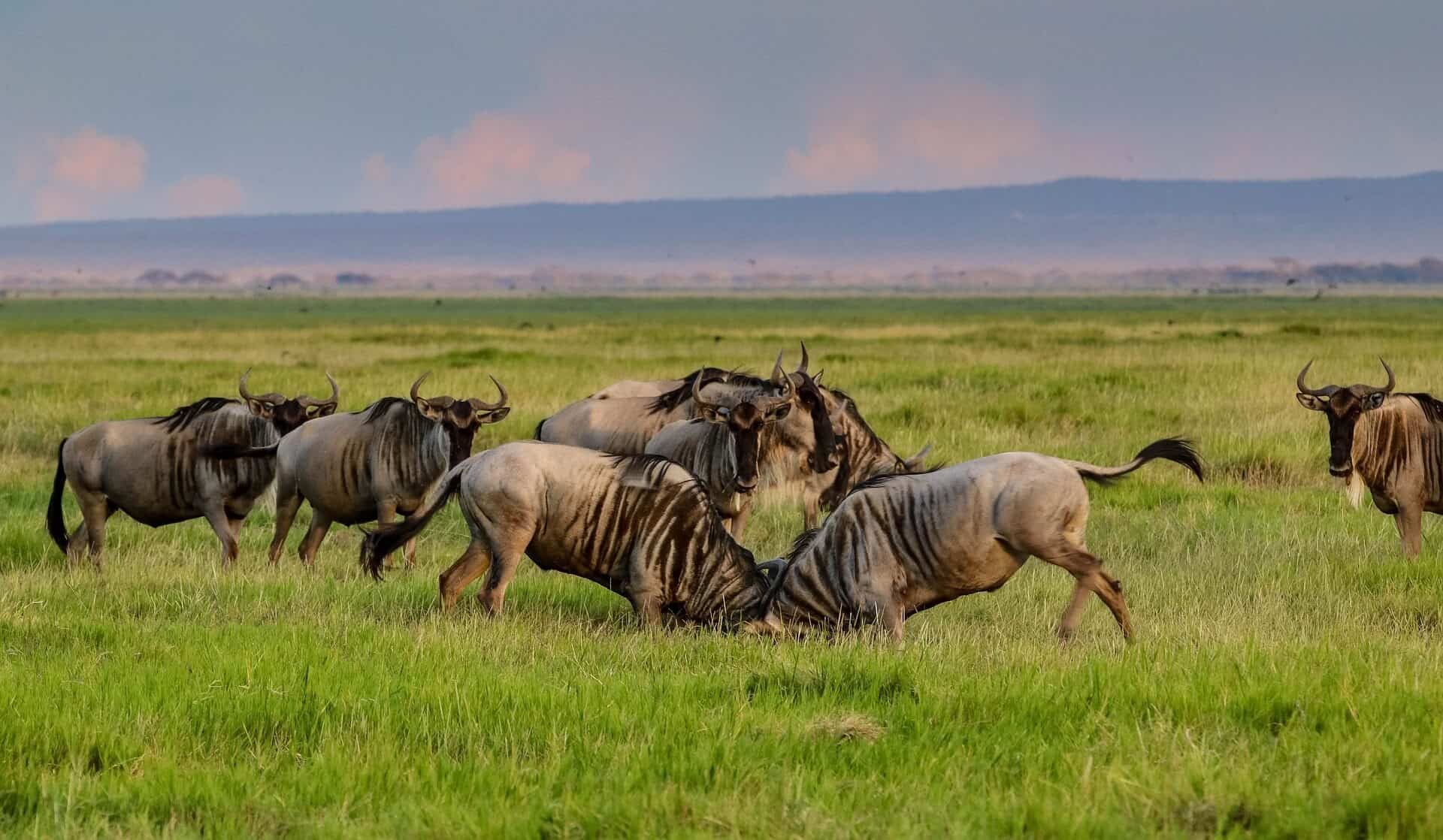
Destination Type: Wildlife Safari, UNESCO Mixed World Heritage Site
Location: Northern Tanzania, east of Serengeti National Park
Famous For: The Big Five in one day, densest predator population in Africa, black rhino sanctuary, world’s largest intact volcanic caldera
Why the Name "Ngorongoro"?
The name “Ngorongoro” carries a melody as unique as the place itself. It is derived from the Maasai phrase “El-Nkoronkoro,” which translates to “Big Bowl” or “Big Hole” – a fitting description for this massive volcanic depression.
But there is a more lyrical interpretation cherished by local guides. Some believe the name comes from the Maasai word for “cowbell” (engorongoro), referencing the gentle, hollow rattle of bells tied to grazing cattle that echoes through these highlands . Other historical records show that early European documentation misspelled the Maasai phrase “orgirra le kkorongorro” into today’s Ngorongoro .
Whatever the true origin, the name captures the essence: a natural bowl where wildlife, people, and ancient history coexist in one of the most spectacular settings on earth.
Where is it Located?
Ngorongoro Crater is located in Northern Tanzania, approximately 180 kilometers (112 miles) west of Arusha, the safari capital of Tanzania. It sits within the Ngorongoro Conservation Area (NCA) , a massive protected region that borders Serengeti National Park to the north and west .
Nearest Major City: Arusha (3-4 hours drive)
Nearest Airstrip: Lake Manyara Airport or Crater Rim Airstrip
Access Gate: Lemala Gate (eastern rim), Seneto Gate (southern rim), or Lodoare Gate
What Makes Ngorongoro Unique?
Unlike the Serengeti with its endless plains, Ngorongoro is a self-contained world. It is not technically a “crater” but a caldera – formed approximately 2.5 million years ago when a massive volcano, once believed to be as tall as Mount Kilimanjaro, erupted so violently that it collapsed inward .
The statistics are staggering:
Diameter: 19-21 kilometers (12-13 miles)
Depth: 610 meters (2,000 feet) from rim to floor
Floor Area: 260 square kilometers (100 square miles)
Wall Height: A sheer 600-meter drop on all sides
Those steep walls act as a natural enclosure. While some animals migrate in and out, approximately 25,000 large mammals are permanent residents on the crater floor . This creates one of the densest wildlife concentrations on earth – making sightings incredibly reliable.
UNESCO Status: Designated a Mixed World Heritage Site in 1979, recognized for both its outstanding natural beauty AND its cultural significance. The wider Conservation Area includes Olduvai Gorge and the Laetoli footprints, some of the most important paleoanthropological sites on the planet .
Tourist Attractions & Wildlife
The Crater Floor: A Wildlife Amphitheater
Descending into Ngorongoro feels like entering a lost world. The 20-minute drive down the winding rim road takes you through lush highland forest, then suddenly – the floor opens before you: golden grasslands, acacia woodlands, swamps, and a shimmering soda lake .
The Big Five (All in One Day!)
This is the best place in Tanzania – arguably in all of Africa – to see the Big Five in a single game drive .
1. The Black Rhino
The Crater is a sanctuary for the critically endangered black rhino. While your chances of spotting a rhino in the vast Serengeti are “practically zero,” here they are regularly seen grazing on the open grasslands. Approximately 30 individuals roam the crater floor, protected by the steep walls that make poaching difficult and by the high park fees that fund 24/7 anti-poaching patrols .
2. Lions of the Crater
Ngorongoro is home to one of the densest known populations of Masai lions. The resident prides are famously habituated to safari vehicles, meaning you are likely to find them lounging by the roadside, cubs playing in the open, or males displaying those magnificent dark manes unique to this high-altitude population .
3. Elephants (Tusker Alert!)
Look for large-tusked bull elephants roaming the Lerai Forest and grasslands. The Crater’s elephants are known for their impressive ivory – a result of protection and age.
4. Leopards
The Lerai Forest – a grove of yellow-barked acacia trees – is the place to spot these elusive cats. They are often seen resting on branches or dragging kills into the thickets.
5. Cape Buffalo
Massive herds of buffalo – sometimes numbering in the hundreds – graze across the floor. These “Black Death” animals are best admired from a respectful distance.
Other Wildlife Highlights
Spotted Hyenas: Ngorongoro has one of Africa’s largest and most active hyena populations. Watch for their complex social interactions and dramatic hunting scenes .
Hippos: The Ngoitokitok Springs and Gorigor Swamp are permanent homes to large pods of hippos. This is also where most safari vehicles stop for a picnic lunch – watching hippos yawn and jostle while you eat is an unforgettable experience .
Cheetahs & Serval Cats: While less common, these elegant predators are occasionally spotted on the open grasslands .
Jackals: Both golden and black-backed jackals are common, often seen scavenging near hyena kills.
Flamingos: Thousands of pink flamingos gather at the shallow, alkaline Lake Magadi on the southwestern floor. The sight of them taking flight against the crater walls is pure magic .
Over 400 Bird Species: Keep an eye out for Kori bustards (the world’s heaviest flying bird), grey-crowned cranes, secretary birds, and the vibrant lilac-breasted roller .
The Mystery of the Missing Giraffe
Every visitor asks: “Where are the giraffes?” The answer is geology. The 2,000-foot-high caldera walls are simply too steep for a top-heavy animal with long, slender legs to navigate safely . They are abundant in the surrounding Conservation Area, but you will never see one on the crater floor.
Beyond the Crater: Olduvai Gorge
No visit to Ngorongoro is complete without understanding its human history. Just a short drive away lies Olduvai Gorge, the “Cradle of Humankind.” This archaeological site is where Dr. Louis and Mary Leakey discovered the skulls of Australopithecus and Homo habilis – our early human ancestors dating back nearly 2 million years . The on-site museum is small but world-class, explaining the fossil finds and the evolution of humanity.
Lake Magadi (The Soda Lake)
This shallow, alkaline lake in the crater’s southwest corner turns pink with flamingos during certain seasons. The mineral deposits create stunning photographic contrasts – white salt flats, blue water, pink birds, and green walls .
Best Events (The Natural Calendar)
Unlike the Serengeti’s Great Migration, the Crater’s events are subtle but spectacular.
Calving Season (January – February): While the wildebeest calving primarily happens on the Ndutu plains outside the crater, the resident herds also give birth. This is predator heaven – lions, hyenas, and cheetahs take advantage of vulnerable newborns. It is the best time for action-packed game drives .
Flamingo Gathering (Best: June – October): The flamingo population at Lake Magadi swells during the dry season as water levels drop, concentrating the birds and their food source .
Lion Mating Season (Year-round with peaks): Lions breed any time, but the density of prides means you have a high chance of witnessing mating rituals or cubs at play.
Bird Migration (November – April): European and North African migratory birds arrive, adding to the already impressive 400+ resident species. This is the best time for birdwatchers .
Best Times to Visit
The good news: Wildlife viewing in Ngorongoro is superb year-round because the animals are resident, not migratory . The choice of season is a trade-off between crowds, price, and scenery.
Dry Season (June – October)
The Vibe: Peak season. Busy, but for good reason.
Wildlife: Excellent. Grass is short, animals concentrate around water sources, and visibility is at its best. Predator sightings are easier.
Weather: Cool mornings (bring a jacket!), sunny days, no rain.
Most reliable game viewing. The crater is dusty but open. Flamingos are abundant at Lake Magadi .
Crowded. At a lion sighting, vehicles can pile up 10 or more deep. Lodge rates are at their highest. The landscape is brown and dry.
Best for: First-time safari-goers who prioritize sightings over solitude.
Green Season / Calving (January – March)
The Vibe: “Secret Season” – fewer tourists, breathtaking scenery.
Wildlife: Excellent. The resident herds are joined by calving activity. Predator action peaks as lions and hyenas target newborns .
Weather: Warm with short afternoon showers. The crater turns emerald green and wildflowers bloom.
Stunning landscapes. Dramatic skies and mist rising from the crater floor make for incredible photos. Lower rates than dry season. Fewer vehicles at sightings.
Occasional rain can make some descent roads muddy, but 4×4 vehicles handle it fine. Tall grass can make spotting low-crouching predators slightly harder .
Best for: Photographers and travelers seeking beauty AND wildlife without the crowds.
The Sweet Spot: January – February
This short window is often considered the ideal time to visit. You get the best of both worlds:
The crater is lush and green from the November/December rains
It is the peak of calving season
The weather is dry, sunny, and pleasant
You avoid the main crowds of June-October
Low Season (April – May)
The Vibe: “Budget Traveler’s Dream” – very quiet, very green.
Wildlife: Still good, but animals disperse in the thick vegetation.
Weather: Heavy “long rains,” especially in April. Some roads may become muddy or slippery.
Lowest rates of the year. You may have the crater almost to yourself. The light between showers is spectacular .
Rain can disrupt game drives. Some lodges close for maintenance. Not recommended for first-timers.
Accommodation & Lodges
Ngorongoro offers two distinct lodging experiences: staying on the crater rim (luxury, convenience, views) or staying in Karatu Town (budget-friendly, gateway location).
On the Crater Rim (Luxury & Convenience)
These lodges sit at approximately 2,500 meters (8,000 feet) elevation. The air is cool, the views are staggering, and you can be on the crater floor within 20 minutes of waking up.
Lemala Osonjoi Lodge (New & Highly Recommended)
Opened in 2025, this is the newest addition to the Ngorongoro rim. Positioned on the eastern rim adjacent to the Lemala Gate – the least-used descent road – guests can be on the crater floor in just 10-20 minutes, beating the morning traffic from other lodges .
Style: Solar-powered luxury lodge built from recycled and locally sourced materials
Rooms: 20 suites, including two family units. Features: wood-burning stoves, winter-weight duvets, walk-in showers, freestanding tubs, and “secret nook” day beds beside the fireplace
Unique Perks: Indoor heated pool (the only one in the Ngorongoro area), forest spa suite, exclusive permission to serve fully catered private lunches on the crater floor
Best for: Travelers seeking luxury, exclusivity, and early access to the crater
Ngorongoro Serena Safari Lodge
A classic. Built into the crater rim using local stone, it blends into the landscape. The views from the terrace are iconic.
Style: Large, established lodge with a swimming pool carved into the rocks
Best for: Reliable quality, great location, mid-to-upper price range
Ngorongoro Crater Lodge (andBeyond)
The most luxurious option. Often called the “most romantic lodge in Africa.”
Style: Over-the-top opulence – banana leaf ceilings, fresh roses everywhere, butler service
Best for: Honeymoons, special celebrations, unlimited budgets
Other Rim Options
Lemala Ngorongoro Camp: Tented camp on the eastern rim, more affordable than Osonjoi
Neptune Ngorongoro Luxury Lodge: Located near the gate, excellent service
In Karatu (Budget-Friendly & Gateway)
Karatu is the town located just outside the Ngorongoro Conservation Area gate, about a 30-45 minute drive from the crater rim. It offers significantly lower prices.
Plantation Lodge: Charming German-owned lodge with beautiful gardens. Mid-range luxury.
Gibb’s Farm: A historic working coffee farm with farm-to-table dining. A favorite among returning visitors.
Manyara Ranch: Budget tented camp options.
Africa Safari Karatu: Affordable lodge with good amenities.
Lower rates, more lodging options, closer to Lake Manyara and Tarangire for multi-park itineraries.
What you Should Know
Getting There
By Road (Most Common):
From Arusha: Approximately 3-4 hours (180 km / 112 miles) via a paved road to the Lodoare Gate
From Serengeti (Seronera): Approximately 3 hours via the main road that runs along the crater rim
Most safaris combine Ngorongoro with Lake Manyara, Tarangire, and the Serengeti in a loop
By Air (Fly-in Safaris):
Charter flights from Arusha or Kilimanjaro International Airport land at Lake Manyara Airport (45-minute drive to the crater) or the smaller Crater Rim Airstrip
Luxury safaris often use this option to save time
Road Conditions: The access roads are paved or well-maintained dirt. The descent road into the crater is steep, winding, and requires a 4×4 vehicle with low-range gearing.
What to Pack
Clothing: Layers, layers, layers! The rim sits at 8,000 feet – mornings can be near freezing (especially June-August), while afternoons on the floor are warm .
Colors: Neutral safari colors (khaki, green, beige). Avoid bright whites and blues (which attract tsetse flies).
Warm Gear: Fleece jacket, warm hat, gloves for morning game drives. Some lodges provide hot water bottles for the vehicle.
Sun Protection: Sunscreen, hat, sunglasses. The crater floor has little shade.
Binoculars: Essential. The crater is vast, and you will miss details without them.
Camera: Zoom lens (200mm minimum, 400mm+ recommended). The light is beautiful in early morning and late afternoon.
Medication: Anti-malaria prophylaxis is recommended. Altitude sickness is rare at 8,000 feet but possible – consult your doctor if you are sensitive.
Special Experiences
The Crater Floor Private Lunch
Some luxury lodges (like Lemala Osonjoi) have rare permission to serve private, catered lunches on the crater floor . Imagine dining on white linen while hippos grunt in the nearby pool. This is the ultimate Ngorongoro splurge.
Walking Safaris on the Rim
Guided walks along the crater rim with Maasai naturalists offer a different perspective – learning about medicinal plants, birdlife, and the geology of the caldera .
Maasai Village Visit
The Ngorongoro Conservation Area is unique because Maasai pastoralists are allowed to live and graze their cattle alongside wildlife . A visit to a traditional manyatta (village) offers insight into a centuries-old way of life.
Olduvai Gorge Excursion
Combine your crater visit with a half-day trip to the “Cradle of Humankind.” The museum and guided walk through the gorge are humbling and fascinating .
Frequently Asked Questions
Q: Can you stay overnight inside the crater?
A: No. All accommodation is on the crater rim or in Karatu. No lodges are on the crater floor itself.
Q: How long should I spend in Ngorongoro?
A: At least one full day on the crater floor. Two days is better – it reduces pressure and allows for different light conditions.
Q: Is Ngorongoro worth it given the high fees?
A: Absolutely. For most visitors, the Crater is the highlight of their Tanzanian safari. The density of wildlife, the reliability of Big Five sightings, and the sheer spectacle of the caldera make it a non-negotiable stop.
Q: Can you see the Great Migration in Ngorongoro?
A: Not really. The Great Migration primarily moves through Serengeti and the Ndutu plains (just outside the Crater’s western edge). Some migratory animals pass through the Conservation Area, but the Crater floor itself has permanent resident herds.
Q: Is Ngorongoro safe?
A: Yes. Safari vehicles are required to stay on designated tracks. Animals are wild, but your guide will keep a safe distance. The steep walls mean you cannot get lost. Just follow your guide’s instructions.
Q: What is the altitude like?
A: The rim sits at 8,000 feet (2,500 meters). Most people feel no effects, but you may notice being slightly more out of breath on steep walks. The crater floor is 2,000 feet lower, so no altitude concerns once you descend.
Q: Is the Crater accessible for elderly or disabled travelers?
A: Partially. The roads are rough, and game drives involve bumpy terrain. However, some lodges (like Lemala Osonjoi) have suites designed for accessibility. Discuss mobility needs with your tour operator in advance.
Final Pro Tips for Your Customers
Be first. The gates open at 06:00 AM. Being in the first 5 vehicles down means you get the crater at its most magical – mist rising, animals active, and golden light. By 10:00 AM, the floor can feel like a traffic jam.
Bring binoculars for everyone. Not one pair for the car. Everyone needs their own. You will miss half the experience otherwise.
Pack warm. Visitors from warmer climates underestimate how cold it gets on the rim at dawn. Gloves and a beanie in June-August are not optional.
Book rim accommodation early. There are only a handful of rim lodges, and they sell out 6-12 months in advance for peak season (June-October).
Manage expectations on the “Big Five guarantee.” While Ngorongoro offers the best chance, wildlife is wild. Leopards are elusive. Rhinos move. Go with an open mind, and you will leave happy.
Do not skip Olduvai Gorge. If you have an extra half-day, this is a world-class experience that adds a profound human dimension to your wildlife safari.
Respect the rules. Stay in your vehicle except at designated picnic sites. Do not litter. These fees and rules keep Ngorongoro wild for your children to experience too.
Ready to experience the Garden of Eden?
Contact us for a Custom Northern Circuit Safari that combines Ngorongoro, Serengeti, and Tarangire in one unforgettable journey.