A Complete Guide to Tanzania: Ultimate Safari & Beach Destination
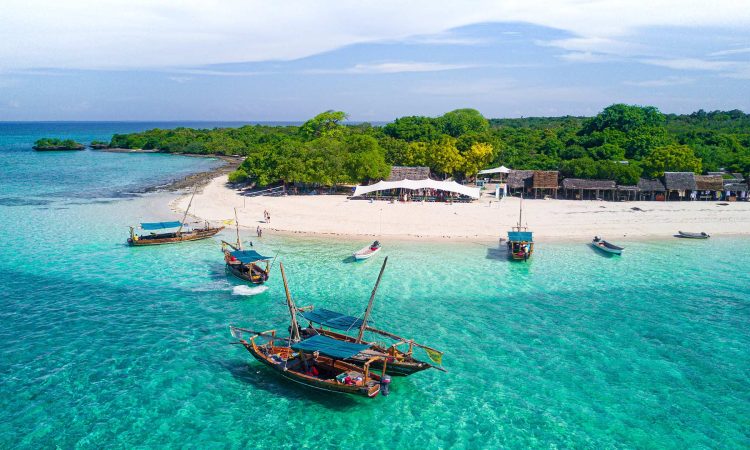
Tanzania is a dream safari destination that transcends the ordinary. For travelers seeking adventure, serenity, and natural wonders, this beautiful country presents an enchanting tapestry of experiences waiting to be explored .
Why Tanzania is Africa's Premier Safari Destination
The magnificence of Tanzania extends far beyond the Wildebeest Migration. What sets it apart from other safari destinations in the region is the vast, untamed wilderness with diverse terrains – savannah plains, rainforests, bushlands, mountains and volcanoes .
A unique feature distinguishing Tanzania is the absence of fences between its National Parks. Here, abundant wildlife inhabit these spaces by choice, making Tanzania a haven for wildlife enthusiasts . Tanzania also has an unmatched wildlife density, and in addition to the celebrated Big Five – elephant, lion, rhinoceros, buffalo and leopard – the destination also plays host to the Great Migration, the largest annual movement of wildlife on the planet .
Tanzania is also the perfect destination for enjoying immersive safari experiences, which can range from traditional game drives in custom-built safari vehicles and guided walks through the African bush to boat trips along the numerous rivers and channels, and hot-air balloon rides over the vast plains.
Key Safari Destinations
Serengeti National Park
Tanzania’s iconic Serengeti covers nearly 6,000 square miles of Northern Tanzania up to the border with Kenya’s Masai Mara . The park is world-renowned for its vast savannahs, incredible wildlife, and the Great Migration, where millions of wildebeest, zebras, and gazelles make their dramatic journey across the plains . The Serengeti offers superb year-round game viewing, even at times when the migration isn’t around; big cat sightings are especially good . Activities include thrilling game drives, hot air balloon safaris, and diverse birdwatching opportunities .
Ngorongoro Crater
A UNESCO World Heritage Site, the Ngorongoro Crater is the jewel in Tanzania’s crown – the world’s largest intact volcanic caldera and a haven to a wondrous array of animal life . It is one of the best places in Africa to see the Big Five in a single day and is home to over 25,000 large animals including black rhinos, lions, hippos, and flamingos.
Tarangire National Park
Tarangire is located south of Arusha and offers fantastic game viewing, especially from July to October . Known for its large elephant populations and ancient baobab trees, Tarangire is ideal for shorter and affordable safaris . The park is less celebrated than its neighbours, meaning you can enjoy it without the high visitor numbers.
Lake Manyara National Park
Lake Manyara National Park sits at the western end of the Great Rift Valley and is one of Tanzania’s most scenic parks . It is famous for its tree-climbing lions which can often be seen up in the Sausage Trees . The lake itself is known for boasting large flocks of flamingos, with the contrast of their pink against the shimmering blue waters making for fantastic photographic opportunities.
How Much Does a Safari in Tanzania Cost?
The cost of a Tanzania safari varies dramatically based on accommodation style and inclusions. Understanding the daily rates is the easiest way to compare packages. The average cost per person per day usually includes accommodation, meals, transport, park fees, and your guide’s services.
Budget Safari
Budget safaris offer an authentic experience without the luxury price tag, focusing on clean, safe, and well-located lodges or camps without luxury extras .
What to Expect:
Shared group tours
Public or basic camping, or budget lodges
Simple but comfortable beds, hot showers (sometimes solar-heated)
Basic safari meals
Good access to national parks
No swimming pool or limited amenities
Best For: Budget travelers, students, schools, charity groups, and travelers spending most time on game drives .
Typical Locations: Outside park boundaries, Karatu area, Mto wa Mbu, Arusha outskirts .
Mid-Range Safari
Mid-range accommodation is the most popular choice for safari travellers, offering comfort, great meals, and an authentic safari atmosphere at reasonable prices .
What to Expect:
Comfortable tented camps or mid-range lodges
En-suite bathrooms, comfortable beds
On-site restaurants and bars
Friendly local staff
Private 4×4 vehicle (often)
Best For: First-time visitors, families, and most clients seeking the best value .
Luxury Safari
Luxury safaris offer top-level comfort, exceptional service, and breathtaking locations inside or near national parks .
What to Expect:
Exclusive and premium lodges, private tented camps
Large luxury tents or suites
Private en-suite with premium fittings
24-hour power, fine dining
Pool, lounge, spa (property dependent)
Prime wildlife locations
Best For: Honeymooners, VIPs, luxury travelers, and photographers who want to combine adventure with indulgence .
Key Budget-Saving Strategies
1.Choose the Right Parks
Not all national parks carry the same entry fees or operating costs. Tarangire, Lake Manyara, and Mikumi National Parks have lower daily entry fees than the Serengeti and still offer excellent wildlife viewing .
2. Join a Group Safari
Group safaris are widely considered the cheapest way to do a safari in Tanzania . They distribute costs such as vehicle use, fuel, guide fees, and park fees across multiple travellers, dramatically reducing the price per person .
3. Travel During Low Season
The long rainy season from March to May offers the lowest safari prices. During this period, park fees remain the same, but accommodation discounts can be substantial .
4. Choose Camping Safaris
Camping safaris use public or special campsites instead of lodges, significantly lowering accommodation costs. These safaris often involve dome tents, shared bathroom facilities, and basic amenities .
5. Book with Local Operators
Working with Serengeti Wildlife Safari which is a local Tanzanian safari operator in Tanzania. Local companies have lower overhead costs compared to international agencies and can offer more competitive pricing.
Trip Includes
All accommodations
All meals (breakfast, lunch, dinner)
National park fees
Professional guide and safari vehicle
Bottled drinking water
All scheduled activities.
Trip Excludes
International and domestic flights
Visa and travel insurance
Tips and gratuities
Personal expenses (souvenirs, laundry)
Alcoholic and soft drinks
Optional activities (balloon safari, etc.)
The Great Migration: When and Where to Go
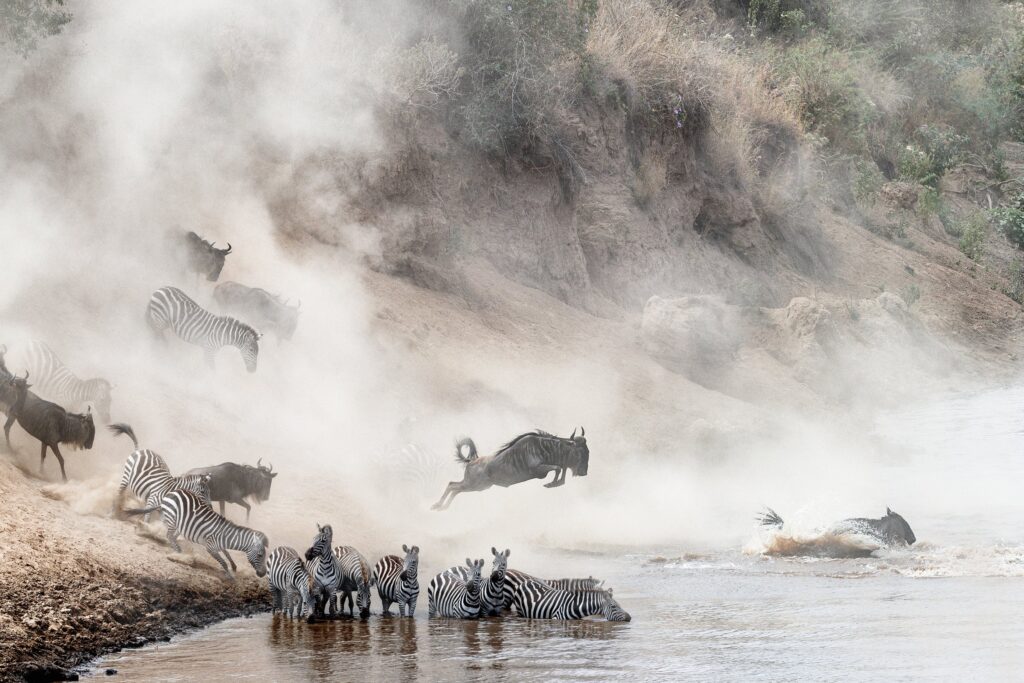
The Great Wildebeest Migration is one of the most incredible animal migrations on the planet . The Great Migration calendar guides your trip planning :
January to March: Southern calving season in Ndutu and the Southern Serengeti
April to July: Western corridor movement
August to September: Northern river crossings in the Mara River
October to December: Return south
For a truly unforgettable experience, consider a balloon safari over the Ndutu Plains during the calving season. The ideal time is from late December through March, when predator activity is at its peak, and the landscape is lush from seasonal rains .
Activities and Experiences
- Hot Air Balloon Safaris
Rising gently in the twilight to the sunrise over Tanzania’s savannah plains offers an eye’s view of the wildlife in action below . A balloon safari over Ndutu or the Serengeti is an experience you will never forget, with golden light across the landscape and the chance to witness the Great Migration from the sky .
2. Walking Safaris
Guided walks through the African bush offer an immersive experience and the chance to see smaller details of the ecosystem .
3. Boat Safaris
Boat trips along rivers and channels, such as the Rufiji River in Nyerere National Park, offer opportunities to spot hippos, crocodiles, and abundant birdlife .
4. Birding Safaris
With over 1,100 species, Tanzania offers world-class birding safaris combining spectacular wildlife with diverse avian hotspots like Serengeti National Park, Ngorongoro, Lake Manyara, and Tarangile .
5. Mountain Climbing
Tanzania offers diverse mountain climbing adventures, dominated by the iconic Mount Kilimanjaro – the highest peak in Africa – with routes like Machame, Lemosho, and Marangu. Mount Meru is great for acclimatization, and Ol Doinyo Lengai is an active volcano with unique lava .
Accommodation Options by Category
1. Budget Accommodation
Public Campsites: Designated public campsites within or just outside national parks (e.g., Simba Campsite on Ngorongoro Crater rim)
Basic Tented Camps: More permanent canvas tents on concrete or wooden bases, often with en-suite basic bathrooms (e.g., Serengeti Kati Kati Tented Camp)
Budget Lodges/Guesthouses: Standard hotel rooms located in towns or just outside park gates (e.g., Kudu Lodge, Marera Valley Lodge in Karatu)
2. Mid-Range Accommodation
Mid-Range Tented Camps: Comfortable tented accommodation with en-suite bathrooms, beds, and dining facilities (e.g., Serengeti Simba Lodge, Kati Kati Tented Camp)
Mid-Range Lodges: Permanent lodges with comfortable rooms and better amenities (e.g., Lake Manyara Serena Safari Lodge)
3. Luxury Accommodation
Luxury Lodges: Top-level comfort with private decks, swimming pools, gourmet dining, and spectacular locations (e.g., Four Seasons Safari Lodge Serengeti, Tarangire Treetops)
Luxury Tented Camps: High-end tented camps with personalized service and premium fittings (e.g., Singita Sasakwa, Lemala Ngorongoro Tented Camp)
Planning Your Tanzania Safari
Best Time to Visit
Prime Game Viewing: July to October (dry season) or January-February (short dry season)
Value Seekers: April-May (green season) for lower rates
Great Migration: Year-round, but the location shifts depending on the month
Getting There
- International Flight: Kilimanjaro International Airport (JRO) is the main gateway for the Northern Circuit, served by major airlines including KLM, Ethiopian Airlines, Emirates, Kenya Airways, and British Airways. Arusha can also be reached via Julius Nyerere International Airport in Dar es Salaam with a connecting domestic flight.
2. Domestic Flights: Charter flights to Serengeti and other parks save time and offer stunning aerial views .
3. Road Transfers: Driving between parks adds travel time but eliminates flight costs, which can quickly inflate safari budgets.
What to Pack
Neutral-coloured clothing (khaki, olive, beige)
Lightweight, long-sleeved shirts and long trousers
Fleece jacket or sweater (mornings and evenings can be cool)
Comfortable walking shoes or hiking boots
Sunscreen, sunglasses, and wide-brimmed hat
Insect repellent
Camera with extra batteries and memory cards
Binoculars
Ready to Plan Your Tanzania Safari?
Contact Serengeti Wildlife Safaris today for a personalized quote based on your travel dates, group size, and accommodation preferences. Whether you’re seeking a budget-friendly camping safari or a luxury lodge experience, we’ll help you create memories that last a lifetime.