
Why Mto wa Mbu is the Cultural Heartbeat of Tanzania
Discover the Village Where 120 Tribes Live as One
When planning a safari to Tanzania, the mind naturally drifts to iconic images: lions lounging on kopjes, elephants marching across golden plains, and the thunderous herds of the Great Migration. But Tanzania is more than just its wildlife. It is a country of incredible people, rich traditions, and vibrant communities waiting to be explored.
Just a short detour from the main safari route to Ngorongoro and Serengeti lies Mto wa Mbu—a town that offers something most safari itineraries miss: the chance to step into the rhythm of daily Tanzanian life .

Why Mto wa Mbu?
This unassuming village of approximately 18,000 people is one of Tanzania’s most culturally diverse places, where representatives from over 120 different tribes live side by side in remarkable harmony . Walking through its streets, you’ll hear a mix of languages, see a kaleidoscope of traditional dress, and feel the pulse of a community that has learned to thrive together.
Located at the base of the Great Rift Valley escarpment, near Lake Manyara National Park, Mto wa Mbu translates as “River of Mosquitoes” in Swahili a name that belies its lush, fertile nature. The area’s permanent water source supports thriving banana plantations, rice paddies, and vegetable farms that feed the region .
But the real draw isn’t the landscape it’s the people and the experiences that bring you face-to-face with Tanzanian life.
What to Do in Mto wa Mbu
1. Walking Village Tour
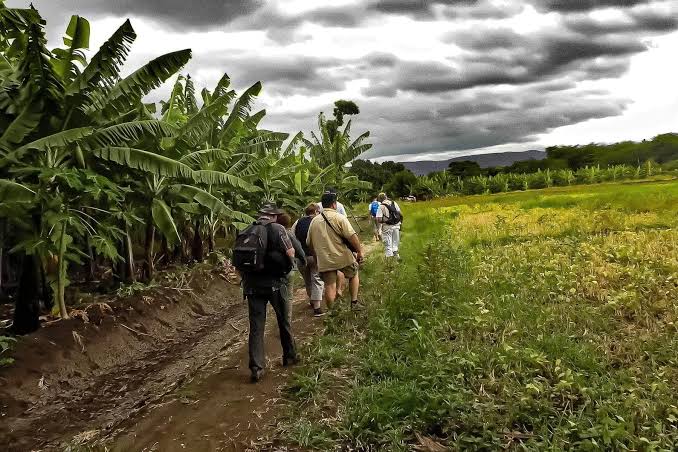
The most immersive way to experience Mto wa Mbu is a guided walking tour. Led by a local guide often from the village itself you’ll explore the backstreets and “chocho” (side streets) where safari vehicles never go .
What you’ll discover:
Banana plantations – The village grows over 30 different varieties of bananas, and your guide will explain how this staple crop is cultivated and used for everything from food to building materials .
Traditional banana beer brewing – Learn how “mbege” is made from bananas and millet, a labor-intensive process passed down through generations. You’ll have the chance to taste this local brew, often served in a communal cup .
Artisan workshops – Watch Makonde woodcarvers transform African blackwood into intricate figurines, masks, and household objects. You can even try your hand at carving .
Local markets – Wander through bustling stalls selling fresh produce, spices, and handcrafted goods. Your guide will help you understand the variety of foods and their role in local cuisine .
Schools and places of worship – Gain insight into education and faith in this multicultural community, where Muslims, Christians, and others live side by side .
Tours typically last 2–3 hours and are flexible, allowing you to linger where your curiosity leads. Many tours include a home-cooked Tanzanian lunch prepared by local women’s groups a highlight for most visitors .
2. Cycling Through the Village
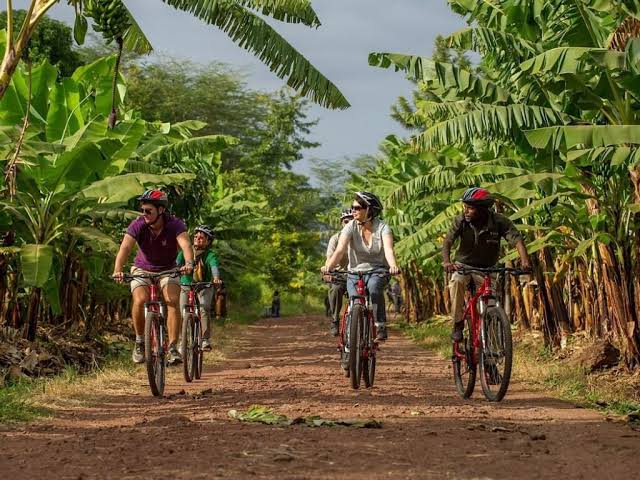
For a more active experience, hop on a bike. Cycling lets you cover more ground while staying immersed in the community .
What you’ll see:
Rolling through banana farms and rice paddies
Passing local workshops where artisans carve and paint
Stopping at a local bar to see how banana beer is made
Moving with the rhythm of the village, not just watching from a window
This 2–3 hour guided tour costs approximately $20 per person and offers a flexible pace for all fitness levels
3. Zip lining Over the Baobabs
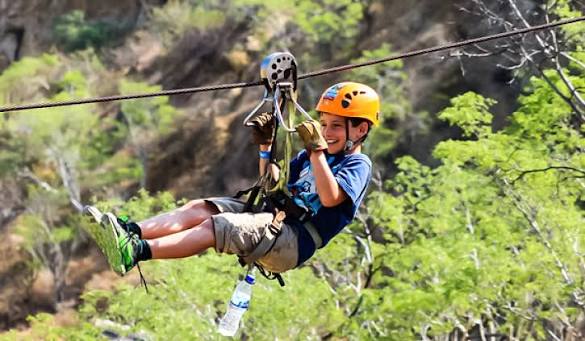
For those seeking an adrenaline rush, Tanzip Zip line Adventure offers a thrilling experience through the treetops .
What to expect:
Over 1 kilometer of zip lines with 6 unique platforms built around majestic baobab trees
Four thrilling jumps
A treetop viewpoint
A suspension bridge and tree house bar
The professional guides prioritize safety, and the course is suitable for families—children as young as 3 have enjoyed the experience . The backdrop of the Great Rift Valley and views of the surrounding plains make this an unforgettable addition to any itinerary.
4. Local Tanzanian Lunch
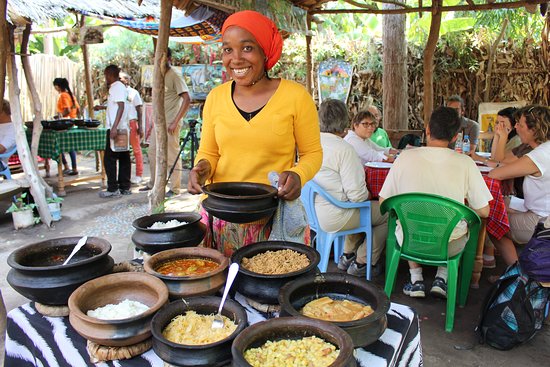
One of the best ways to understand a place is through its food. In Mto wa Mbu, you can sit down for a home-cooked Tanzanian meal, made fresh with ingredients from local farms .
Expect rice, beans, ugali (maize porridge), grilled meat, vegetables, and more. No fancy setups—just real food, real people, and real stories in the heart of a banana grove.
Practical Information
How to Get There
Mto wa Mbu is approximately 120 kilometers from Arusha and lies on the main safari route to Lake Manyara, Ngorongoro Crater, and Serengeti . The drive takes about 2–2.5 hours by road, making it an easy stopover.
Best Time to Visit
June–October: Dry and cooler, ideal for walking and cycling
January–March: Warm and sunny, lush landscapes after the rains
April–May: Rainy season, quieter experience, exceptionally green scenery
Where to Stay
Accommodation ranges from budget guesthouses to mid-range lodges and safari-style camps near Lake Manyara. Most visitors stay one night before or after a safari .
Why Mto wa Mbu Matters
While the national parks showcase Tanzania’s natural wonders, Mto wa Mbu reveals its human heart. This is where you can see how people live, work, and celebrate. It is a place to ask questions, build connections, and gain a deeper understanding of the country beyond the wildlife.
As one traveler put it: “We appeared to be the only non-locals there. If you want a break from animal viewing and tourist spots, stop here.”
Ready to experience the cultural side of Tanzania? Contact us to include a visit to Mto wa Mbu on your next safari. Your adventure will be richer for it.