
ZANZIBAR ISLAND
The Spice Island Where History Meets Paradise
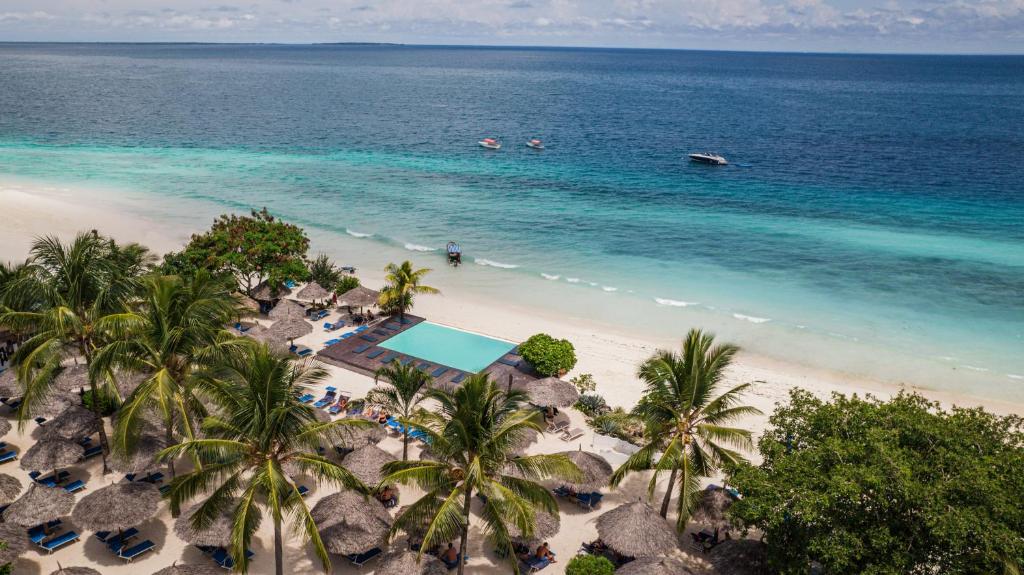
Destination Type: Beach Holiday , Cultural Heritage , Water Sports , Spice Tours
Location: Indian Ocean, 25-50 km off the coast of Tanzania
Famous For: Stone Town (UNESCO World Heritage), white sand beaches, spice plantations, turquoise waters, dhow cruises
Why the Name Zanzibar?
The name “Zanzibar” rolls off the tongue with an exotic rhythm that hints at its rich, layered history. The word derives from the Persian phrase “Zangh-bar,” which combines Zangh (the old Persian name for the black peoples of East Africa) and bar (meaning “land” or “coast”). Together, it translates to “Land of the Blacks” .
But there is another layer. The old Arabic writers called this region “Zendjibar,” and the local name used by natives is “Ungudya.” For over a thousand years, this strategic location made Zanzibar a key hub on Indian Ocean trade routes, where merchants from Oman, Persia, India, and mainland Africa established trading posts that shaped the islands’ unique Swahili culture . Today, that fusion of African, Arab, Indian, and European influences is still visible in every stone carving, spice market, and coral-rag building.
Where is it Located?
Zanzibar is a semi-autonomous archipelago off the coast of Tanzania, East Africa. The main island, known as Unguja (though most visitors simply call it Zanzibar), sits approximately 25 to 50 kilometers (15 to 30 miles) from the mainland .
Nearest Major City on Mainland: Dar es Salaam (a 2 hour ferry ride)
Nearest Safari Gateway: Arusha (1and a half -hour flight)
Airport: Abeid Amani Karume International Airport– located just outside Stone Town
The archipelago includes the main island of Unguja, the smaller island of Pemba (known as the “Green Island” for its lush clove forests), and dozens of other islets like Changuu (Prison Island), Mnemba Atoll, and Chumbe Island.
Geography & The Four Main Regions
Zanzibar may be a small island (approximately 1,666 square kilometers / 643 square miles), but its personality changes dramatically depending on which coast you visit.
Stone Town – The Cultural Heart (West Coast)
The historic quarter and a UNESCO World Heritage Site. This is not a beach destination; it is a labyrinth of narrow alleyways, coral stone buildings, ornate wooden doors, bustling bazaars, and waterfront views . It is the soul of Zanzibar, where centuries of trade, slavery, and spice left their mark.
Nungwi & Kendwa – The Northern Beaches
The postcard Zanzibar. These beaches on the northern tip offer white sand, crystal clear turquoise water, and sunsets that make you weep. The unique geography here means the tide never goes out completely—you can swim at any time of day, unlike the east coast. Nungwi has a lively (but not crazy) party vibe with beach bars and nightlife; Kendwa is slightly more relaxed .
Paje, Jambiani & Matemwe – The East Coast
The “Boho” and Kitesurfing Coast. These beaches are wide, windy, and stunning, but there is a catch: the tide goes way out, exposing vast tidal flats. This makes them perfect for kite-surfing (Paje is the East African capital of the sport), long walks on the sandbars, and a laid-back, yoga-and-seafood vibe .
Kizimkazi – The South Coast
Dolphin central. This quiet fishing village on the southern tip is famous for dolphin encounters. Bottlenose and spinner dolphins are most active here in the early morning. Kizimkazi is also home to a 12th-century mosque, one of the oldest Islamic buildings in East Africa .
Tourist Attractions & Experiences
Stone Town – A UNESCO World Heritage Labyrinth
You cannot come to Zanzibar without getting lost in Stone Town—and getting lost is exactly what you should do. The maze of narrow alleys reveals something new around every corner: a intricately carved door, a hidden courtyard, a spice-scented breeze from an open shop.
Must-See Sites in Stone Town:
The Old Slave Market (Anglican Christ Church): The site of the last slave market in East Africa. The church is built directly on the site where slaves were displayed and auctioned. The altar stands on the very spot of the whipping post. There is a moving memorial and exhibition that documents this dark chapter of history .
Forodhani Gardens Night Market: As the sun sets, this waterfront park transforms into a massive open-air food bazaar. You must try:
Zanzibar Pizza: A thin crepe stuffed with egg, minced meat, vegetables, and cheese, fried crispy on a hot plate .
Grilled Octopus: Skewered and charred, served with spicy sauce.
Sugar Cane Juice: Freshly pressed, mixed with ginger or lime.
Urojo (Zanzibar Mix): A spicy soup loaded with potatoes, chickpeas, and fried dough .
The Old Fort (Ngome Kongwe): The oldest building in Zanzibar, built by the Omani Arabs in the 17th century. Today, it houses a cultural center with shops, open-air restaurants, and the Zanzibar International Film Festival in July .
Freddie Mercury’s House: The birthplace of the Queen frontman. While small and modest, it is a pilgrimage site for music lovers (though the authenticity is debated, the sentiment remains).
The House of Wonders (Beit-al-Ajaib): The largest and tallest building in Stone Town, with a grand veranda overlooking the waterfront. It was the first building in East Africa to have electricity and an elevator. (Note: As of recent years, it has been undergoing restoration).
The Darajani Market: The central market for locals. It is chaotic, colorful, and sensory overload—spices, fresh fish, meat, vegetables, and souvenir stalls all under one roof.
Spice Tours (Shambas)
Zanzibar is the Spice Island for a reason. The spice trade built this island. A spice tour is a half-day trip to a working plantation where you will see (and taste) cloves (Zanzibar’s economic backbone), vanilla vines, cinnamon bark, nutmeg, pepper, cocoa pods, and even “lipstick” trees (annatto). Guides are masters of entertainment—they will carve whistles out of leaves, help you balance a basket on your head, and teach you which spices cure which ailments .
Pro Tip: The open-air market in the village of Kizimbani is considered the best place to buy authentic, fresh spices at fair prices.
Prison Island (Changuu Island)
A short 20-minute boat ride from Stone Town. The island was intended for a prison that never housed prisoners—instead, it became a quarantine station for infectious diseases. Today, it is famous for its giant Aldabra tortoises, some of which weigh hundreds of pounds and have been alive since the 19th century. The snorkeling around the island is also excellent .
The Rock Restaurant
Located in the ocean near Michamvi Pingwe on the southeast coast. At low tide, you walk across the sand to reach it. At high tide, you take a small boat. It is one of the most photographed restaurants in the world. The seafood is as fresh as it gets, with a menu featuring lobster, coconut curry shrimp, and grilled fish. Reservations are essential .
Jozani Chwaka Bay National Park
Zanzibar’s only national park, protecting a unique forest and mangrove ecosystem. The star attraction is the endemic Red Colobus Monkey (Piliocolobus kirkii), found nowhere else on earth. These shaggy, reddish-brown monkeys are habituated to human presence and can be seen feeding on young leaves, playing in the trees, and occasionally posing for photos. The park also contains the rare Zanzibar Sykes’ monkey, bushbabies, over 40 bird species, and a boardwalk through the mangrove forest .
Nungwi Beach & Mnemba Atoll
Nungwi is the quintessential Zanzibar beach—powder-white sand, impossibly blue water, and traditional wooden dhows bobbing on the horizon. The northern tip has a working dhow boatyard where you can see these iconic vessels being handcrafted using traditional techniques.
Just offshore lies Mnemba Atoll, a protected marine reserve and one of the best diving and snorkeling sites in East Africa. The waters are incredibly clear (visibility often exceeds 40 meters / 130 feet), and you can expect to see green turtles, reef sharks, colorful coral, and schools of barracuda .
Kitesurfing at Paje Beach
The east coast, particularly Paje Beach, is a world-class kitesurfing destination. The consistent trade winds (June to October), shallow lagoons, and wide sandy beaches create perfect conditions for both beginners and experts. Even if you don’t kitesurf, watching the colorful kites dance across the turquoise water is entertainment enough .
Dhow Sunset Cruise
No trip to Zanzibar is complete without an evening sail on a traditional wooden dhow. The boats depart from Stone Town harbor or the northern beaches as the sun begins its descent. You will glide across the calm Indian Ocean, the sails catching the golden light, while crew serve spiced tea and snacks. It is pure romance .
Best Events (Cultural Calendar)
Zanzibar’s calendar is filled with vibrant festivals that celebrate its music, film, and maritime heritage.
Sauti za Busara (Mid-February): East Africa’s premier music festival. Over four days, more than 400 artists from across the continent perform at Stone Town’s Old Fort and intimate rooftop venues. The festival showcases everything from traditional Taarab (a Swahili coastal music genre) and Zanzibari rhythms to contemporary Afrobeat, jazz, and hip-hop .
Zanzibar International Film Festival (July): The largest cultural event in East Africa. Screenings take place in open-air venues, including the Old Fort and cinemas throughout Stone Town. It also features music, dance, art exhibitions, and workshops.
Mwaka Kogwa (July): A Shirazi New Year celebration in the village of Makunduchi. The four-day festival involves ritual fights with banana stems, singing, and feasting—a unique glimpse into pre-Islamic Persian traditions.
Full Moon Parties (Monthly, December-February): The northern beaches (Nungwi and Kendwa) host monthly full-moon parties with live music, bonfires, and dancing until dawn. December’s party is the largest, drawing crowds from across the island .
Best Times to Visit
Zanzibar enjoys a tropical climate with warm temperatures year-round (generally 25-32°C / 77-90°F). The choice of when to visit is a trade-off between sunny weather, crowd levels, and budget.
Dry Season (June – October) – Peak Season
The Vibe: Sunny skies, low humidity, minimal rainfall. The busiest and most expensive time.
Activities: Excellent for everything. Calm seas make for perfect diving, snorkeling, and dhow cruises. This is also the prime season for kitesurfing (June winds are ideal).
Weather: Pleasant daytime temperatures, cool evenings. Very little rain.
Special Events: Turtle nesting season (July), Zanzibar International Film Festival (July), whale watching (August).
Reliable sunshine, best water visibility, perfect beach weather.
Highest prices, crowded beaches, popular restaurants require reservations .
Short Dry Season / Winter (December – February) – Festive Season
The Vibe: Another window of reliable sunshine, warmest sea temperatures of the year. Festive atmosphere over Christmas and New Year.
Activities: Excellent for diving. The Indian Ocean reaches its warmest temperatures in January (around 29°C / 84°F) with underwater visibility up to 30 meters / 100 feet. Dolphin encounters peak in Kizimkazi.
Weather: Hot, sunny, minimal rainfall. Light ocean breezes provide relief.
Special Events: Sauti za Busara music festival (February), peak diving conditions (January), Christmas and New Year celebrations.
Warmest sea temperatures, festive atmosphere, great for diving.
Peak prices (especially Christmas/New Year), Stone Town can be crowded .
Green Season (March – May) – Long Rains
The Vibe: The “secret season” for budget travelers and nature lovers. Frequent afternoon downpours, high humidity, but the island is at its most lush and green.
Activities: Good for cultural activities. Stone Town tours, spice farm visits, and food tours are excellent (fewer crowds, lower prices). Jozani Forest is at its most vibrant, with active red colobus monkeys and peak butterfly season in May.
Weather: Hot, humid, with daily afternoon showers. April is the wettest month.
Lowest rates (hotel prices drop by up to 40%), no crowds, emerald green landscapes, excellent photography conditions between showers.
Rain can disrupt beach days and boat trips. Some roads become muddy. Diving visibility decreases. Not ideal for first-time visitors seeking guaranteed sun .
Short Rains (November) – Shoulder Season
The Vibe: A brief period of rejuvenating rains. The island is quiet, rates are mid-range.
Activities: Good for nature walks. The rains bring the forest canopy to life, and bird calls (Fischer’s turaco, olive sunbird) are more frequent.
Weather: Short afternoon showers, otherwise pleasant.
Quiet, good deals on accommodation, lush landscapes.
Some beach days interrupted by rain.
Accommodation & Lodges
Zanzibar offers everything from budget backpacker hostels to ultra-luxury private island resorts. The best location depends on your travel style.
Stone Town – For Culture & History Lovers
Staying in Stone Town puts you in the heart of the action. You will be steps away from markets, restaurants, and historical sites. The trade-off: no beach access (you will need to take a taxi or organized trip to the coast).
Zanzibar Coffee House: A charming boutique hotel in a renovated historic building. Excellent coffee (unsurprisingly) and a rooftop terrace with city views.
The Z Hotel Stone Town: Colonial-style building with modern amenities, located on the waterfront. A 5-minute walk to the Slave Market site .
Emerson Spice: A truly unique property tucked into a narrow alley. Each room is individually decorated with antique Zanzibari furnishings. Rooftop dinners are legendary.
Park Hyatt Zanzibar: The luxury option in Stone Town. Ocean-view rooms, a stunning pool overlooking the water, and impeccable service.
Matemwe & Kiwengwa – For Honeymooners & Privacy Seekers
Best for: Couples, quiet luxury, stunning sunrise views (east coast faces the rising sun).
Zanzibar Sunrise at Bandas: Charming boutique property with bandas (traditional bungalows) right on the beach. Excellent reviews .
Haber Hotel & SPA: Known for outstanding service and a tranquil atmosphere .
Salama & Mbuyuni Bungalows: A hidden gem, surrounded by nature, very peaceful .
Kizimkazi – For Dolphin Encounters
Best for: Dolphin spotting, quiet fishing village atmosphere, eco-conscious travelers.
Lala Land Lodge: Highly rated for its welcoming atmosphere and excellent food. Described as “amazing” and “a true hidden gem” .
Kizimkazi Beach Cottages: Simple, beachfront, and close to the dolphin tour departure points.
Special Mention: Mnemba Island & Private Island Resorts
Mnemba Island Lodge: The ultimate splurge. A private island with just 12 bandas, barefoot luxury, and exclusive access to the best diving in Zanzibar. Expect $1,500+ per night.
Restaurant & Dining Recommendations
The Rock Restaurant (Michamvi): The iconic restaurant on a rock in the ocean. Reserve well in advance, especially for sunset .
Forodhani Gardens Night Market (Stone Town): Nightly food market. Go hungry, bring small cash, and try everything .
The Slipway Restaurant (Stone Town): Waterfront, known for lobster pasta with local spices .
Paje by Night (Paje Beach): Open-air beach restaurant with barbecue, tropical cocktails, and live local band performances .
Things You Must Know
Visa, Insurance & Entry Requirements
Visa: Most nationalities require a visa for Tanzania. You can obtain an e-visa online (recommended, approx. $100 USD) before travel or a visa on arrival at ZNZ Airport (cash only, USD). Double-check requirements based on your passport.
Travel Insurance: Mandatory and should cover medical evacuation, trip cancellation, and water sports (if you plan to dive or kite-surf).
Vaccinations: Yellow fever vaccination is required if arriving from an endemic country. Consult your doctor about Hepatitis A, Typhoid, and Tetanus. Malaria prophylaxis is strongly recommended.
Getting There & Around
By Air:
International flights arrive at Abeid Amani Karume International Airport (ZNZ) , located just 5 km / 3 miles south of Stone Town.
Direct flights from Europe (including charters from Italy, Germany, Poland, and the UK), the Middle East (Qatar, Oman, Ethiopia, Kenya, Rwanda, Turkey), and domestic flights from Arusha, Dar es Salaam, Kilimanjaro, and Serengeti.
By Sea:
Ferries run between Dar es Salaam (mainland) and Zanzibar (approx. 2 hours). Several companies operate. Book with a reputable company (Azam Marine, Fast Ferries) and avoid the very cheapest operators.
Getting Around the Island:
Private Hire / Taxi: The most comfortable option. Negotiate the price before departing. Expect $30-50 for a trip between Stone Town and the northern beaches.
Dala-Dalas (Minibuses): The local transport. Very cheap ($0.50-2 per trip) but crowded, unpredictable, and not recommended for luggage.
Bajaj (Auto Rickshaw): Good for short trips in Stone Town and nearby areas. Always agree on the price before you get in .
Car Rental: Possible, but driving in Zanzibar is chaotic, roads are poorly signed, and police checkpoints are frequent. Most visitors opt for private drivers.
Money, Tipping & Bargaining
Currency: Tanzanian Shilling (TZS). However, US Dollars are widely accepted for larger payments (hotels, tours, park fees). Bring crisp, new bills (post-2013) with no marks or tears—older or damaged notes are often rejected.
Small Bills: Carry plenty of small USD denominations (1,1,5, $10) for tips, small purchases, and taxi fares.
Tipping: While not mandatory, tipping is appreciated. Standard tips: 5−10perdayforadriver/guide,5−10perdayforadriver/guide,1-2 per bag for porters, 5-10% in restaurants if service charge not included.
Bargaining: In Stone Town markets and with street vendors, haggling is expected. Start at half the asking price and meet somewhere in the middle. Be polite and smile .
Health, Safety & Local Customs
Sun Protection: The sun on the equator is intense. High SPF sunscreen, a wide-brimmed hat, sunglasses, and long sleeves for midday are essential .
Mosquito Protection: Use insect repellent (DEET or Picaridin) and sleep under a mosquito net (most lodges provide them). Malaria prophylaxis is recommended.
Drinking Water: Do not drink tap water. Bottled water is cheap and widely available. Use bottled water even for brushing your teeth. Also avoid ice unless you are certain it is made from bottled/filtered water .
Respecting Local Culture: Zanzibar is approximately 99% Muslim. Dress modestly when in Stone Town and rural villages (cover shoulders and knees). On resort beaches, swimwear is fine; when walking through local villages, cover up out of respect. During Ramadan, be discreet about eating and drinking in public during daylight hours.
Scams & Pickpockets: Stone Town’s narrow alleys can attract pickpockets, especially at dusk. Keep valuables minimal and secure . Be wary of “fake guides” offering unsolicited tours. Also, some touts may aggressively offer “help” with directions—politely decline.
Packing Checklist for Zanzibar
Clothing: Lightweight, breathable fabrics. Long-sleeved shirts and pants for evenings (mosquito protection). Modest clothing for Stone Town (cover shoulders/knees). Swimwear (for resort beaches only). A light jacket or wrap for air-conditioned ferries and evenings.
Footwear: Sandals/flip-flops for beach. Comfortable walking shoes for Stone Town (cobblestones). Water shoes for rocky snorkeling entries.
Sun & Insect Protection: High SPF sunscreen (reef-safe is best), wide-brimmed hat, sunglasses, insect repellent (DEET or Picaridin).
Medical: Prescription medications, anti-malaria prophylaxis, basic first-aid kit (band-aids, antiseptic, diarrhea medication).
Tech: Camera with underwater housing or waterproof phone case. Power bank (some areas have unreliable power). Universal plug adapter (UK-style plugs are common).
Documents: Passport (valid for 6 months beyond travel), visa (e-visa printout), travel insurance documents, yellow fever certificate (if required).
Money: USD (crisp, new bills), small bills for tips, credit card (but cash is king in markets and small shops).
Frequently Asked Questions
Q: Is Zanzibar expensive?
A: It can be as budget or as luxurious as you want. Street food is cheap (2−5permeal),whilehigh−endresortscancost2−5permeal),whilehigh−endresortscancost500+ per night. The dry season (June-October) is significantly more expensive than the rainy season (March-May).
Q: How many days do I need in Zanzibar?
A: A minimum of 4-5 days to experience both Stone Town and a beach area. 7-10 days allows for a more relaxed pace, island hopping, and a deeper cultural experience.
Q: Is Zanzibar safe for solo travelers?
A: Generally yes, but exercise common sense. Solo female travelers should avoid walking alone in Stone Town late at night. Stick to well-lit areas, dress modestly, and be cautious of overly friendly strangers offering “help.”
Q: Can I combine a safari (Serengeti/Ngorongoro) with Zanzibar?
A: Absolutely—this is a classic combination. Many travelers do a 5-7 day Northern Circuit safari (Tarangire, Ngorongoro, Serengeti) followed by 4-5 days of beach relaxation in Zanzibar. Flights connect Arusha (ARK) to Zanzibar (ZNZ) daily.
Q: What is the food like?
A: Zanzibari cuisine is a delicious fusion of African, Arab, Indian, and Portuguese influences. Seafood is abundant. Must-tries: Zanzibar pizza, urojo (spiced soup), coconut curry, grilled octopus, spiced rice (pilau), and freshly squeezed sugar cane juice.
Q: Do I need a visa if I am only going to Zanzibar?
A: Yes. Zanzibar is part of Tanzania, so the same visa requirements apply as for the mainland.
Q: What is the internet/WiFi like?
A: In Stone Town and resort hotels, WiFi is generally good. On the east coast and in budget accommodations, it can be spotty. If you need reliable internet for work, check with your lodge beforehand. Mobile data (Airtel, Vodacom, Tigo) is cheap and widely available; you can buy a local SIM card at the airport.