
TARANGIRE NATIONAL PARK
The Elephant Paradise & Baobao Kingdom
Destination Type: Wildlife Safari, Birding, Dry Season Elephant Spectacle
Location: Northern Tanzania, 120 km (75 miles) southwest of Arusha
Famous For: Largest elephant concentration in Tanzania, ancient baobab trees, over 500 bird species, the Tarangire River lifeline
Why the Name "Tarangire"?
The park takes its name from the Tarangire River, which flows through the heart of the protected area. In the local Maasai language, the meaning is deeply practical: this river is the lifeline of the ecosystem. During the dry season, when water disappears from other parts of the savannah, the Tarangire River never stops flowing, drawing animals from hundreds of kilometers around .
The name, therefore, represents sustenance and survival. It is the anchor that holds the wildlife of this unique landscape together. The park was formally established as a national park in 1970, though it had been a protected area under various designations since the 1950s.
Lorem ipsum dolor sit amet, consectetur adipiscing elit. Ut elit tellus, luctus nec ullamcorper mattis, pulvinar dapibus leo.
Where is it Located?
Tarangire National Park is located in Northern Tanzania, approximately 120 kilometers (75 miles) southwest of Arusha, the primary safari gateway city. It is part of the Northern Safari Circuit, which also includes Lake Manyara, Ngorongoro Crater, and the Serengeti .
Nearest Major City: Arusha (approx. 2 hours drive)
Access Gate: The main entry is via the Tarangire Gate near the village of Makuyuni
Bordering Lake: The park lies close to the southern shore of Lake Manyara
Because of its proximity to Arusha, Tarangire is often the first stop on a multi-park Northern Circuit safari, or a rewarding destination for a 2-3 day standalone trip.
Geography & Landscape: The Land of Giants
While the Serengeti is famous for endless plains and Ngorongoro for its collapsed volcano, Tarangire is defined by two iconic features: the river that gives it life and the trees that give it soul.
The Tarangire River
This permanent river winds through the park from south to north. During the dry season (June-October) , it is the only source of surface water for hundreds of kilometers. This scarcity creates one of the densest wildlife concentrations in Tanzania—herds of elephants, buffalo, zebra, wildebeest, and gazelle crowd the riverbanks, while predators lurk in the shadows .
The Baobab Trees
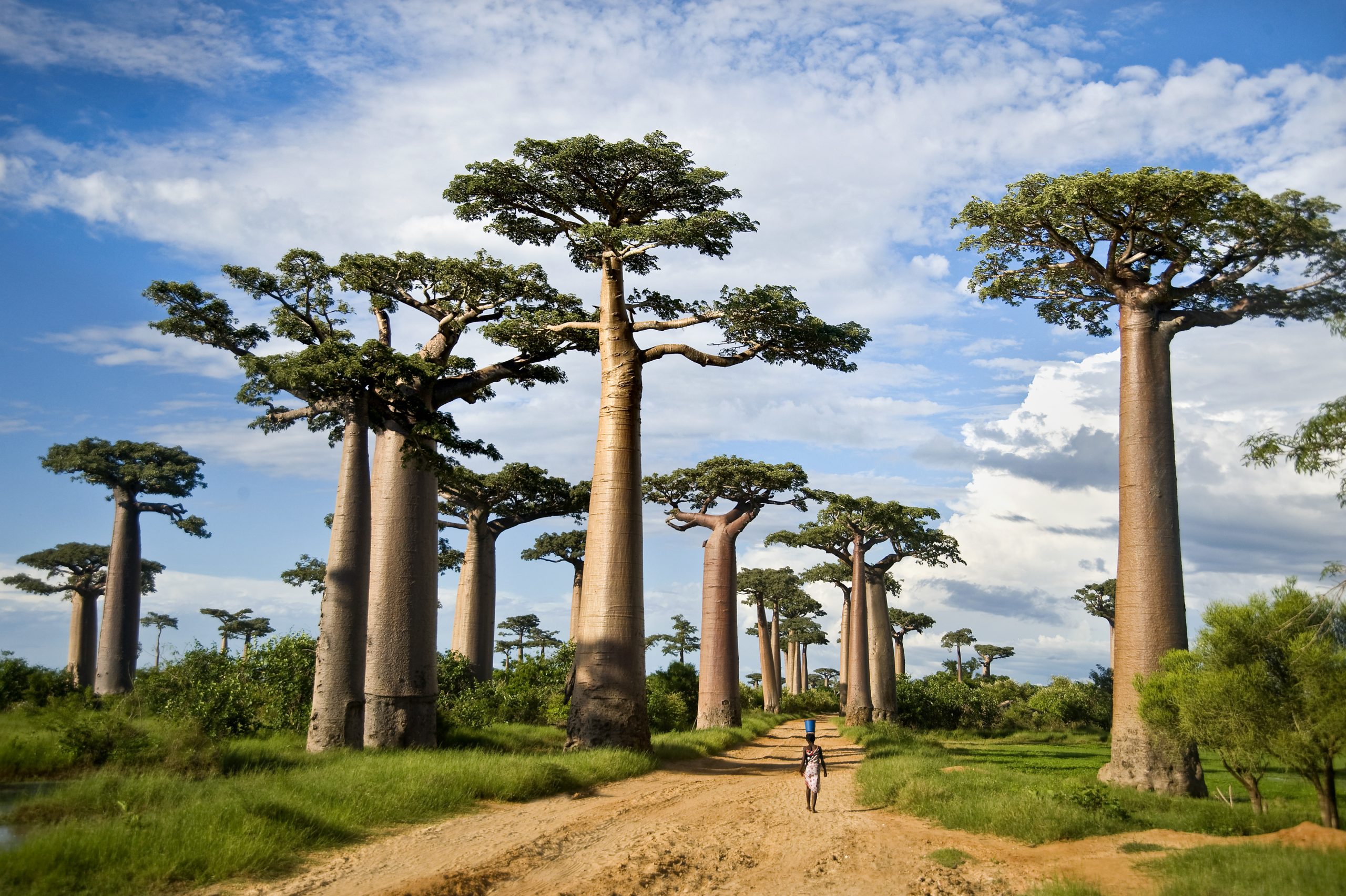
Tarangire is home to some of the largest and oldest baobab trees in Africa. These “upside-down trees” (so named because their branches look like roots reaching for the sky) can live for over 1,000 years and store up to 120,000 liters of water in their massive, spongy trunks. They dominate the landscape, their ancient, gnarled silhouettes providing dramatic photo opportunities, especially at sunrise and sunset .
The Swamps & Woodlands
Silale Swamp: A large, permanent swamp in the western part of the park that attracts wildlife even during the dry season.
Acacia Woodlands: Rolling hills dotted with acacia trees, home to giraffes, dik-diks, and leopards.
Termite Mounds: The park is dotted with towering termite mounds, some of which are centuries old. Abandoned mounds often become dens for mongooses or lookouts for birds.
The View from above
On clear days, you can see the snow-capped peak of Mount Kilimanjaro (Africa’s highest mountain) looming in the southeast, as well as Mount Meru near Arusha and Oldonyo Lengai (the “Mountain of God” to the Maasai) to the northeast .
Tourist Attractions & Wildlife
The Elephants – Tarangire’s Superstars
Tarangire is famous for its elephants. The park holds the largest elephant population in Tanzania, with herds numbering in the hundreds gathering along the river during the dry season .
What makes Tarangire’s elephants special is not just their numbers, but their tusks. The park is known for “tuskers” – old bull elephants with remarkably long, heavy ivory that sweeps the ground as they walk. You will also see family herds with young calves learning to use their trunks, bathing in the river, and engaging in complex social interactions. It is one of the best places in Africa to simply sit and watch elephant behavior for hours .
Predators of Tarangire
While Tarangire does not have the lion density of the Serengeti or Ngorongoro, the predators here are present and visible, especially during the dry season when prey concentrates near the river.
Lions: Prides are present throughout the park, often found resting in the shade of baobabs or acacia trees.
Leopards: Elusive but present, especially in the riverine forests and rocky areas near the swamps.
Cheetahs: The open grasslands of the southeastern sector provide good cheetah habitat.
Spotted Hyenas & Jackals: Common, often seen scavenging near kills or hunting small prey.
Unique Dry-Country Specialists
Tarangire is one of the best places to see animals that are rare or absent in other northern parks:
Gerenuk (Giraffe Gazelle): A slender antelope with an incredibly long neck that allows it to stand on its hind legs and browse on acacia branches that other antelopes cannot reach .
Fringe-Eared Oryx: A striking antelope with long, straight horns and a distinctive black-and-white facial pattern. Well-adapted to arid environments.
Lesser Kudu: A shy, beautifully marked antelope with spiral horns and vertical white stripes. Rarely seen elsewhere, but present in Tarangire’s thickets.
Dik-Dik: Tiny, delicate antelopes with long snouts; they form monogamous pairs and are common in the bushlands.
Over 500 Bird Species
Tarangire is a birdwatcher’s paradise. With over 500 recorded species, the park is one of the best birding destinations in East Africa .
Iconic Species to Spot:
Lilac-breasted Roller: The quintessential safari bird, with electric purple, blue, and turquoise feathers. Often seen perched on acacia branches.
Yellow-collared Lovebird: A dazzling green bird with a bright yellow collar and pinkish face. Endemic to the Tarangire region – you will see them nowhere else!
Tawny Eagle, Bateleur, Fish Eagle: Soaring overhead, often hunting near the river.
Kori Bustard: The world’s heaviest flying bird, often seen striding across the grasslands.
Ostrich: The world’s largest bird, common in the open plains.
Secretary Bird: A long-legged bird of prey that hunts snakes by stomping on them.
Hornbills, Kingfishers, Herons, Egrets, Bee-eaters, and many more.
Maasai Steppe & Cultural Encounters
Tarangire lies within a larger ecosystem known as the Maasai Steppe. While the park itself is protected, the surrounding areas are home to Maasai pastoralists who have coexisted with wildlife for centuries. Some safari operators offer visits to Maasai villages (manyattas) outside the park, where you can learn about traditional herding, beadwork, jumping dances, and the challenges of living alongside elephants
outside the park, where you can learn about traditional herding, beadwork, jumping dances, and the challenges of living alongside elephants.
Lake Manyara Connection (Nearby)
While not part of Tarangire, Lake Manyara National Park is just a short drive away (approximately 30 minutes). Many travelers combine the two parks. Lake Manyara is famous for its tree-climbing lions, large flocks of flamingos, and groundwater forest. Maramboi Tented Lodge, located on a private concession between the two parks, offers game drives in both .
Best Events / The Natural Calendar
The Dry Season Elephant Gathering (July – October)
The Main Event. As the dry season progresses, water sources outside the park evaporate. The Tarangire River becomes the only reliable water source for thousands of square kilometers. This creates a massive concentration of wildlife, particularly elephants. Herds numbering in the hundreds gather along the river. Zebra, wildebeest, buffalo, impala, and gazelle crowd the banks, attracting lions, leopards, and hyenas.
This is the peak of wildlife drama and the absolute best time to visit Tarangire. The “elephant highway” is open for business .
Bird Migration (November – April)
Tarangire’s birdlife is spectacular year-round, but from November to April, European and North African migratory birds arrive. The park’s wetlands and woodlands fill with palearctic migrants, adding to the already impressive resident population. This is the best time for serious birdwatchers .
Calving Season (January – February)
The wildebeest and zebra herds that summer in Tarangire (December-March) give birth during this period. As in the Serengeti, this means increased predator action – lions, cheetahs, and hyenas target the vulnerable newborns. The landscape is lush and green from the short rains.
The Transformation (November – May – Wet Season)
The wet season in Tarangire is often overlooked, but it has a unique beauty. The park transforms from a dusty, brown savannah into an emerald green paradise with wildflowers, lush grasses, and dramatic skies. The wildlife disperses into the surrounding woodlands, making sightings less concentrated, but the landscape is arguably more beautiful. It is also the best time for photography and for visitors who want to avoid crowds .
Best Times to Visit
Tarangire has two distinct seasons that offer completely different experiences. The dry season is the “classic” safari experience; the green season is for photographers and solitude-seekers.
Dry Season (June – October) – Peak Wildlife Viewing
The Vibe: Classic safari. Dusty, golden, dramatic. Wildlife concentrated near the river. The busiest and most expensive time.
Wildlife: Superb. This is when Tarangire shines. Elephant herds number in the hundreds. Predator sightings are frequent. The riverbanks are crowded with animals.
Weather: Sunny, dry, no rain. Warm days, cool mornings and evenings.
Pros: Unbeatable wildlife density. The best chance to see large elephant herds. Clear skies.
Cons: Crowded (though still less crowded than Serengeti). Highest prices. Dusty. The vegetation is brown .
Green Season (November – May) – Lush Landscapes & Birding
This is actually two sub-seasons:
Short Rains (November – December): The park greens up. Scattered showers, lower rates, fewer tourists. Wildlife starts to disperse but is still good.
Long Rains / Calving (January – May):
The Vibe: Secret season. Emerald green, wildflowers, dramatic skies. Very quiet.
Wildlife: Still good, but animals disperse into the wider ecosystem. Predator action increases during calving (Jan-Feb). Birding is at its peak (migratory birds present).
Weather: Warm with daily afternoon showers. April is the wettest month.
Pros: Stunning scenery (perfect for photography). No crowds (you may have sightings to yourself). Lower rates. Excellent birding.
Cons: Some roads become muddy (4×4 still handles it). Tall grass can make spotting low-crouching predators harder. Some animals move outside the park
Accommodation & Lodges
Tarangire offers lodging options both inside the park and in private concessions just outside its borders. Private concessions often allow night game drives and walking safaris, which are not permitted inside the national park.
Inside the Park (Full Safari Immersion)
Tarangire Safari Lodge: One of the oldest lodges in the park. Located on a bluff overlooking the Tarangire River, with incredible views of the river and elephant herds below. Mid-range, with comfortable tents and a swimming pool.
Tarangire Sopa Lodge: A large, well-established lodge set on a ridge with panoramic views. Brick-and-thatch buildings, large pool, good for families and groups.
Tarangire Treetops: A unique property with elevated “treehouse” rooms offering stunning views of the baobabs and savannah. Luxury with a focus on the views.
Private Concessions (Exclusive )
These lodges are located in wildlife management areas (WMAs) just outside the park. Because they are on private land, they offer activities not allowed inside the national park: night game drives (to see nocturnal animals like genets, civets, bush babies, and leopards hunting) and guided walking safaris.
Maramboi Tented Lodge (Currently Closed for Renovations until January 1, 2026 – but worth knowing for future planning)
Location: On a private concession between Lake Manyara and Tarangire National Park. Stunning views of the Great Rift Valley plains .
Style: Upmarket tented camp. 44 large, en-suite tents raised off the ground to maximize views. Wooden floors, four-poster beds, private verandas.
Activities: Game drives in both Tarangire National Park and Lake Manyara National Park. Maasai-guided bush walks. Hot air balloon safaris. Sundowner cocktails at Lake Manyara’s shore.
Price: From approximately $290 per person per night .
Note: Due to rising water levels from Lake Manyara overflow, the lodge is closed until January 2026 for renovations. Existing bookings will be refunded.
Other Private Concession Lodges (Open & Operating):
Oliver’s Camp (Asilia): A classic, intimate tented camp in the remote eastern part of Tarangire. Known for walking safaris and excellent night game drives. Luxury.
Kuro Tarangire (Nomad Tanzania): A seasonal camp (opens June-October) that moves with the dry season. Incredible location on the Tarangire River. Very highly reviewed. Luxury.
Swala Camp (Elewana): A permanent tented camp set in a grove of tall acacia trees near a permanent water source. Luxury, with a focus on birding.
Sanctuary Swala: Another top-tier luxury option in the park’s prime wildlife area.
Budget & Mid-Range Options
Roika Tarangire Tented Camp: A good mid-range option just outside the park. Tented accommodations, friendly staff, and a pool.
Panama Safari Lodge: Located near the park entrance. Mid-range with good value. Offers both rooms and tents.
Tarangire Simba Lodge: Budget-friendly, located just outside the park. Basic but clean accommodations, good for travelers watching their wallet.
Public Campsites (Inside the Park): For the truly adventurous, there are basic public campsites inside Tarangire (e.g., Endabash, Siria, Lemiyon, Mbalageti). You must bring your own tent, food, and gear. Prepare to hear elephants and hyenas at night – thrilling for some, terrifying for others!
What you must know
Park Fees (2025/2026)
As Tarangire is managed by Tanzania National Parks (TANAPA), the fee structure is similar to other national parks:
International Adult (16+): Approximately $60-80 USD per 24 hours (varies by season)
Children (5-15): Approximately $20-25 USD per day
Vehicle Fee: A small fee per vehicle (usually absorbed into tour operator costs)
Note: Fees are subject to change. Always check the official TANAPA website or confirm with your tour operator before booking.
Getting There
By Road (Most Common):
From Arusha: Approximately 2 hours (120 km / 75 miles) via a paved road to the Tarangire Gate.
From Lake Manyara: Approximately 30-45 minutes.
From Ngorongoro Crater: Approximately 2-3 hours.
From Serengeti: A full day’s drive (6-8 hours) – most travelers break the journey.
The roads inside Tarangire are generally well-maintained, but a 4×4 vehicle is essential during the rainy season and recommended at all times for the best game viewing.
By Air (Fly-in Safaris):
Charter flights from Arusha (ARK) or Kilimanjaro (JRO) land at the Tarangire Airstrip (located inside the park) or Kuro Airstrip. This is a time-saving option for luxury travelers combining Tarangire with Serengeti or Zanzibar.
What to Pack
Clothing: Neutral safari colors (khaki, green, beige). Avoid bright whites and blues (attract tsetse flies). Layers for cool mornings and warm afternoons.
The Tarangire Addition: DUST! During the dry season, the park is very dusty. Bring: Dust mask or bandana for the open-vehicle game drives, Ziploc bags for cameras/electronics, Wet wipes for cleaning your face, and Eye drops for irritated eyes.
Other Essentials: Binoculars (essential for spotting birds and distant animals), camera with zoom lens (200mm minimum, 400mm+ recommended), sunscreen, insect repellent, wide-brimmed hat.
Medical: Anti-malaria prophylaxis is recommended. Consult your doctor.
Special Experiences
Night Game Drives (Only in Private Concessions)
If you stay at a lodge in a private concession (like Oliver’s Camp or the closed Maramboi), you can go on a night game drive. This is a completely different safari experience – searching with a spotlight for nocturnal animals: genets, civets, bush babies, springhares, aardvarks, hyenas hunting, and leopards on the move. Highly recommended .
Walking Safaris (Private Concessions)
Led by an armed ranger and a Maasai naturalist. You walk through the bush, learning to identify animal tracks, insects, medicinal plants, and birds. It is a humbling experience that shifts your perspective from “observer in a vehicle” to “participant in the ecosystem.” The focus is on the small wonders, but the frisson of knowing that lions or elephants might be nearby is part of the thrill .
Hot Air Balloon Safari
Some lodges (like Maramboi) offer hot air balloon flights over the Tarangire/Lake Manyara region. Drift over the savannah at sunrise, watching wildlife from above, followed by a champagne breakfast in the bush. (Approx. $500-600 per person).
Sundowners at Lake Manyara Shore
If staying at a concession lodge near Lake Manyara, you can drive to the lakeshore for sunset cocktails. Watching the flamingos take flight as the sun sinks behind the Rift Valley escarpment is magical .
Maasai Village Visit
Outside the park, you can visit a Maasai manyatta (village). Learn about traditional herding, beadwork, the adumu (jumping dance), and the challenges of balancing modern life with ancient traditions while living alongside Africa’s largest wildlife.
Frequently Asked Questions
Q: Is Tarangire worth visiting if I am already going to the Serengeti?
A: Yes. Tarangire offers something the Serengeti and Ngorongoro do not: massive elephant herds in a baobab-studded landscape. It also has unique dry-country antelopes (gerenuk, fringe-eared oryx) and over 500 bird species. Many travelers find Tarangire a quieter, more intimate, and less crowded safari experience than the world-famous Serengeti .
Q: How does Tarangire compare to Lake Manyara?
A: Tarangire is larger, less crowded, and better for big game (especially elephants). Lake Manyara is smaller, closer to Arusha, and famous for its tree-climbing lions and flamingos. They complement each other well, and many itineraries include both.
Q: Can I see the Big Five in Tarangire?
A: You can see elephant, buffalo, lion, and leopard. Rhinos are extremely rare in Tarangire (most are in Ngorongoro and the Serengeti’s remote areas). Do not come to Tarangire expecting a rhino sighting.
Q: When is the best time for Tarangire’s famous elephants?
A: July to October (the dry season). That is when hundreds of elephants gather along the Tarangire River. Outside the dry season, the elephants disperse into the surrounding ecosystem, and sightings are less dramatic .
Q: How many days do I need in Tarangire?
A: At least one full day (2 days/1 night). A day trip from Arusha is possible but rushed. Two nights is better – it allows for a night game drive (if at a private concession) and a relaxed pace.
Q: Is Tarangire good for birdwatching?
A: Excellent. With over 500 species, it is one of the best birding destinations in Tanzania. The yellow-collared lovebird is endemic to the region. The best time for birdwatching is the green season (November-May) when migratory birds are present .
Q: Can I do a walking safari in Tarangire?
A: Only if you stay at a lodge in a private concession outside the park. Walking safaris are not permitted inside Tarangire National Park itself. Private concessions (e.g., Oliver’s Camp, and formerly Maramboi) offer guided bush walks .
Q: What is the accommodation like in Tarangire?
A: Ranges from budget public campsites to luxury tented camps. The dry season brings higher prices, and the best camps (Oliver’s, Kuro, Swala) fill up months in advance. Book early.
Final Pro Tips for Your Customers
Visit in the dry season for elephants. If your primary goal is to see massive elephant herds, plan your safari for July through October. You will not be disappointed .
Combine Tarangire with a private concession night game drive. Staying at a lodge outside the park (when Maramboi reopens, or at Oliver’s Camp) allows you to do night game drives – a completely different and thrilling safari experience that is not possible inside the national park.
Bring dust protection. Tarangire in the dry season is incredibly dusty. A bandana or dust mask, Ziplocs for your gear, and eye drops will make your safari much more comfortable.
Do not skip Tarangire because you are “going to the Serengeti.” Tarangire offers a unique flavor: baobabs, massive elephant herds, and a more intimate, less crowded atmosphere. Many seasoned safari-goers consider it a hidden gem .
Visit in the green season for photography. If you are a photographer and crowds bother you, consider January-March . The landscape is emerald green, the skies are dramatic, and the light is spectacular. You will have sightings almost to yourself .
Pack binoculars for everyone. With over 500 bird species and antelopes that can be far from the road, binoculars are essential. Do not rely on the driver to have enough for everyone.
Book early for peak season. While Tarangire is less crowded than the Serengeti, the best lodges (Oliver’s, Kuro, Swala) and private concession camps fill up 6-12 months in advance for June-October.
Ready to experience Tanzania’s elephant paradise?
Contact us for a Custom Northern Circuit Safari that combines Tarangire, Ngorongoro, and Serengeti in one unforgettable journey