6-Day Machame Route – Budget-Friendly Kilimanjaro Trek
Safari Overview
Climbing Mount Kilimanjaro is one of Africa’s most iconic adventures. Rising to 5,895 meters above sea level, it offers a non-technical trekking experience, making it accessible to a wide range of travelers.
The 6-Day Machame Route is a popular budget-conscious option for reaching the summit while still enjoying a rich and rewarding experience. Often referred to as the “Whiskey Route,” this trail is known for its stunning scenery, varied landscapes, and higher success rate compared to shorter routes.
Although slightly more demanding than some alternatives, it provides an excellent balance between affordability, acclimatization, and adventure—making it ideal for travelers seeking value without compromising the essence of the Kilimanjaro climb.
Why Choose the Machame Route?
The Machame Route stands out for its diversity in terrain and well-designed trekking profile.
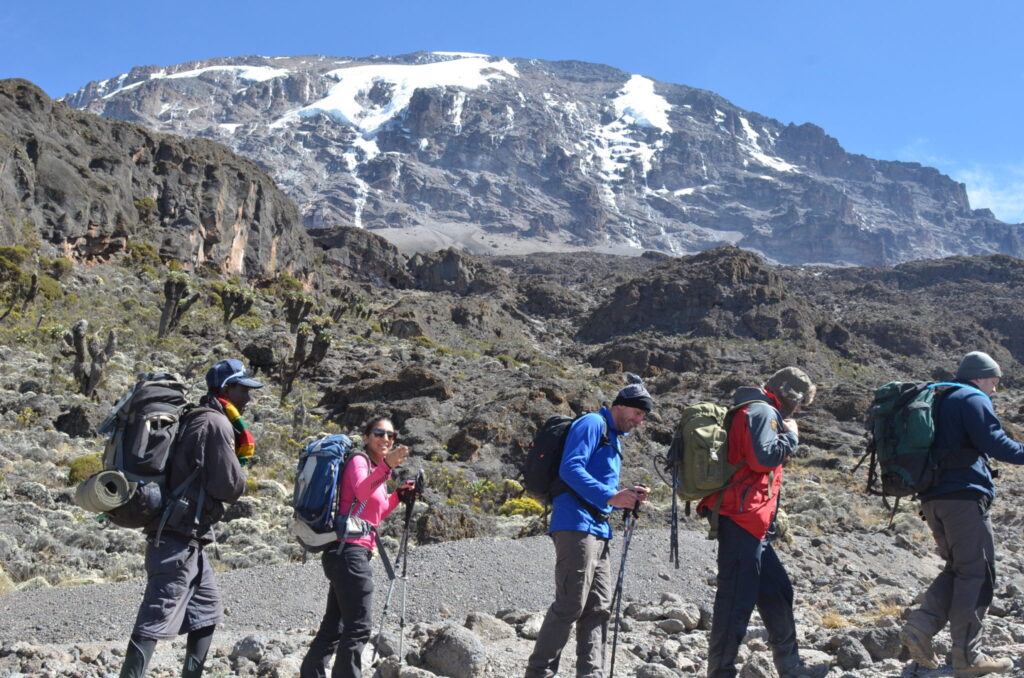
Unlike routes such as Marangu Route, which follow the same path up and down, Machame offers a more scenic and varied journey. Trekkers pass through multiple ecological zones, including:
- Dense rainforest
- Moorland
- Alpine desert
- Glacial summit zone
Another major advantage is its “climb high, sleep low” approach, which supports better altitude acclimatization. While the 6-day version is relatively fast-paced and requires good fitness, it remains achievable with proper preparation.
Additionally, the use of camping instead of huts reduces costs while still ensuring comfort, as most operators provide quality tents, meals, and experienced support teams.
Detailed 6-Day Machame Route Itinerary
Day 1: Machame Gate → Machame Camp
The trek begins at Machame Gate after registration and permit checks. The trail leads through a lush rainforest filled with towering trees, vibrant vegetation, and wildlife. The climb is gradual but can be humid and muddy.
Overnight at Machame Camp.
Day 2: Machame Camp → Shira Camp
The route ascends steeply into the moorland zone. Vegetation becomes sparse, revealing open landscapes with volcanic rock formations and giant heathers. The air cools as altitude increases, and panoramic views begin to emerge.
Overnight at Shira Camp.
Day 3: Shira Camp → Lava Tower → Barranco Camp
This is a key acclimatization day. The trek climbs to Lava Tower (4,630m), exposing trekkers to higher altitude before descending to Barranco Camp. This method improves altitude adaptation and reduces sickness risk.
Barranco Valley offers some of the most dramatic scenery on the mountain.
Day 4: Barranco Camp → Barafu Camp
The day begins with the famous Barranco Wall, a steep yet manageable climb. After reaching the top, the trail continues across ridges and valleys toward Barafu Camp, the base for the summit attempt.
Trekkers rest early in preparation for summit night.
Day 5: Barafu Camp → Uhuru Peak → Mweka Camp
Summit day begins around midnight. The climb is physically and mentally demanding, but reaching Uhuru Peak, the highest point in Africa, is incredibly rewarding.
After celebrating at the summit, descend to Mweka Camp for overnight rest.
Day 6: Mweka Camp → Mweka Gate
The final descent takes you back through the rainforest zone. Upon arrival at Mweka Gate, trekkers receive completion certificates and celebrate their achievement.
Package Includes
- Park and rescue fees
- Professional guides, porters, and cooks
- Camping accommodation
- Meals and drinking water
- Safety equipment (oxygen, first aid kits)
Package Excludes
- International flights
- Visa fees
- Travel insurance
- Personal trekking gear
- Alcoholic and soft drinks
- Tips for guides and porters
- Optional activities
Budget & Cost Considerations
The Machame Route is considered budget-friendly because it offers a high-quality trekking experience at a lower cost. Typical packages include:
- Park and rescue fees
- Camping equipment
- Meals and drinking water
- Professional guides, porters, and cooks
Choosing a shorter itinerary and camping setup helps reduce costs. However, safety and service quality should never be compromised—always select a reputable operator.
Best Time to Climb Kilimanjaro
The ideal trekking seasons are:
- June to October (main dry season)
- January to March (short dry season)
These periods offer clearer skies, stable weather, and better trail conditions. Rainy seasons can make trails slippery and reduce visibility.