
The Ultimate Serengeti Safari Guide: Everything You Need to Know Before You Go
The Ultimate Guide to A Serengeti Safari
Without doubt, Serengeti National Park is the best wildlife destination on earth with over three million large mammals including elephants, cheetahs, wildebeests, zebras, lions, gazelles, black rhinos, giraffes among others. The park has over 60 species of large mammal inhabiting the
Great Plains, its riverine forests and bustling set-piece kopjes. As a traveler planning a safari visit to Serengeti National Park, this guide takes you through
what you need to know about A Serengeti Safari.
1) Where Is The Serengeti – Location
Serengeti National Park – Tanzania’s flagship park lies in the north-western corner of the country bordering with Kenya to the north. The park stretches across the Kenyan border into Masai Mara National Reserve, together they form the Serengeti – Mara Ecosystem, one of the
biggest and most protected ecosystems on earth, spanning approximately 30,000 square kilometers (12,000 square miles).
2) Where to Go on a Safari in Serengeti
Northern Serengeti
The northern region of Serengeti National Park consists of small rivers, green rolling hills and lush granite outcrops (Kopjes). It is far less crowded than the rest of the park and offers good wildlife viewing year-round. The Northern Serengeti is the most remote corner of the Serengeti and sets the stage for the Wildebeest Migration’s dramatic Mara River Crossing around July/August. This is a great place to go on a hot air balloon safari for a bird’s eye view over large herds of wildebeests on their annual journey and good area to see elephants and giraffes.
Travel Tip – Although the national park is home to all the members of the Big Five – Rhino, Elephant, Buffalo, Lions and Leopards, rhino sightings are area. Your best bet to see these endangered animals is in the Northern Serengeti.
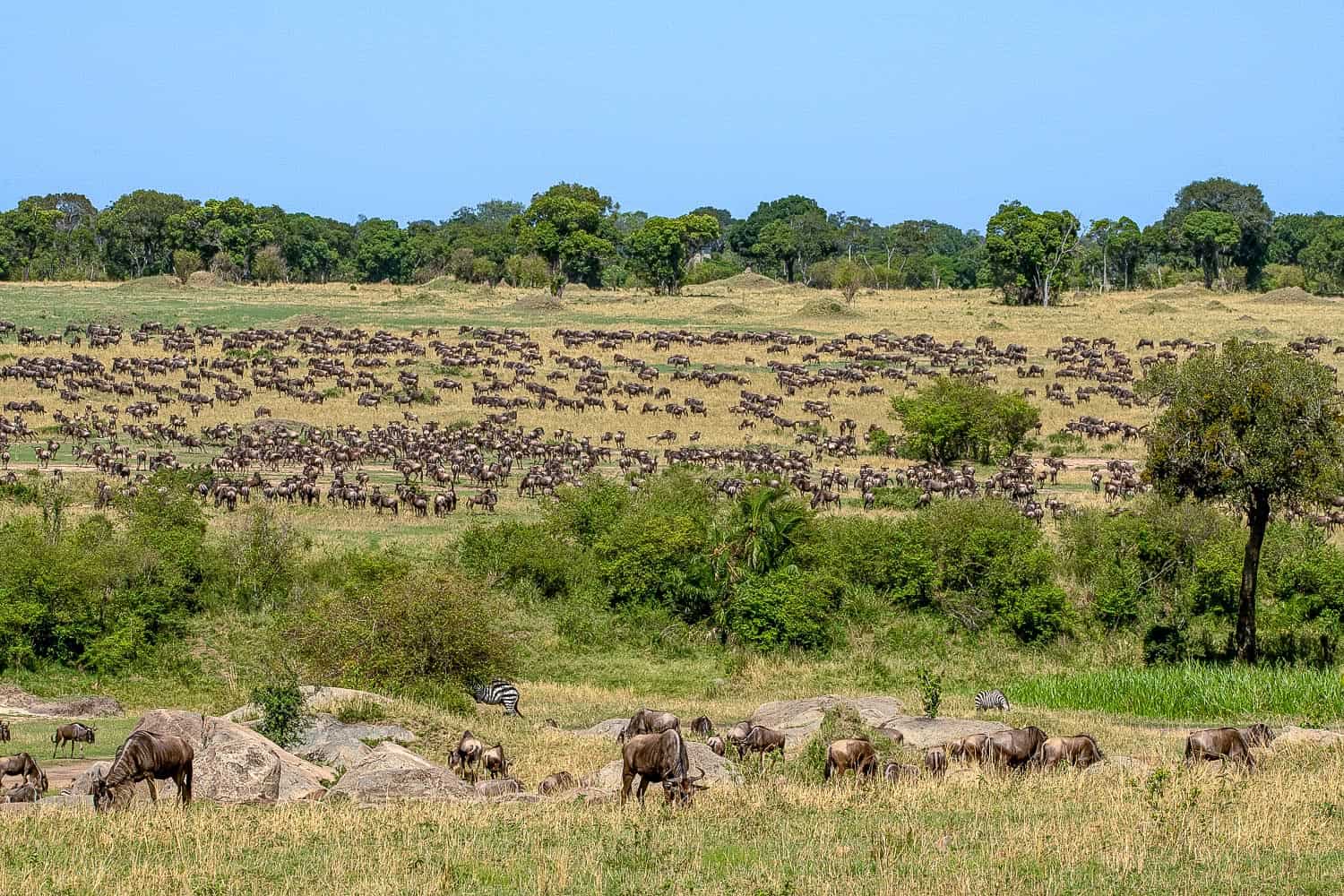
One of the favorite areas in the northern Serengeti for safari goers is the Lamai Wedge; a game rich uncrowded location where walking safaris is and off-road game drives are allowed – activities which are not permitted in the public park
Southern Serengeti
This is the most accessible region of Serengeti National Park, meaning it can get a little busy during peak safari season (about June to October). During the rainy season from January to March, hundreds of thousands of wildebeests, zebra and gazelles graze here on fresh grass.
Also, it is the time that the main calving season takes place and predators – especially the big cats (lions, leopards and cheetahs) are taking every opportunity to hunt easy prey. The southern region of the park is within driving distance of the Ngorongoro Conservation Area, which makes it easy to combine with a visit to the Ngorongoro Crater, known for delivering some of the easiest and most rewarding Big 5 viewing in East Africa.
Central Serengeti
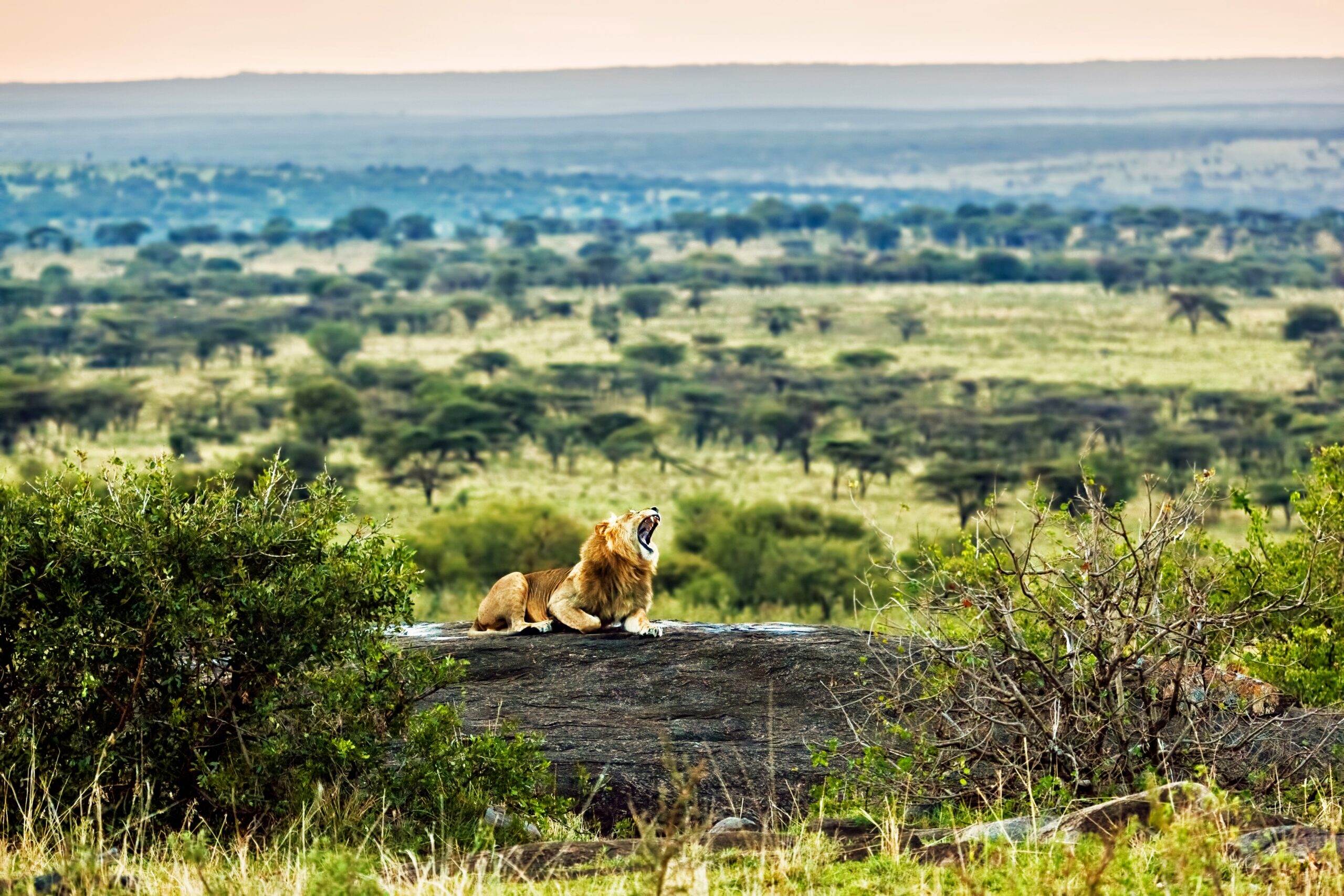
The heart of Serengeti National Park is a very good game viewing all-rounder, it houses a number of lodges and camps which makes it a bush part of the park – especially during peak safari season from about June to October. It offers very good access to all the Migration hot spots and is home to a high density of plains game and predators – leopard, cheetah and lion. The region’s Seronera River Valley creates a natural boundary between the grassy plains of the south and the wooded hills of the north. As a result, this region is a haven for wildlife from both habitats, making the Central Serengeti one of the richest ecosystems in the park with good year-round game viewing. Cheetahs and lions are common here, a nd leopards are often seen in the valley.
Eastern Serengeti
The Eastern Serengeti offers diverse habitats, wide range of wildlife, and good grazing for the migrating wildebeest between December and March. It is a popular pit stop during the Migration’s calving season (between February and March), which attracts many large predators.
This area of Serengeti National Park is much quieter than the rest of the Serengeti and a great location to avoid the tourist crowds. Also, it is an excellent area to see big cats – one of the best for cheetah and delivers the iconic lion-lazing-on kopjes scenes.
Western Serengeti
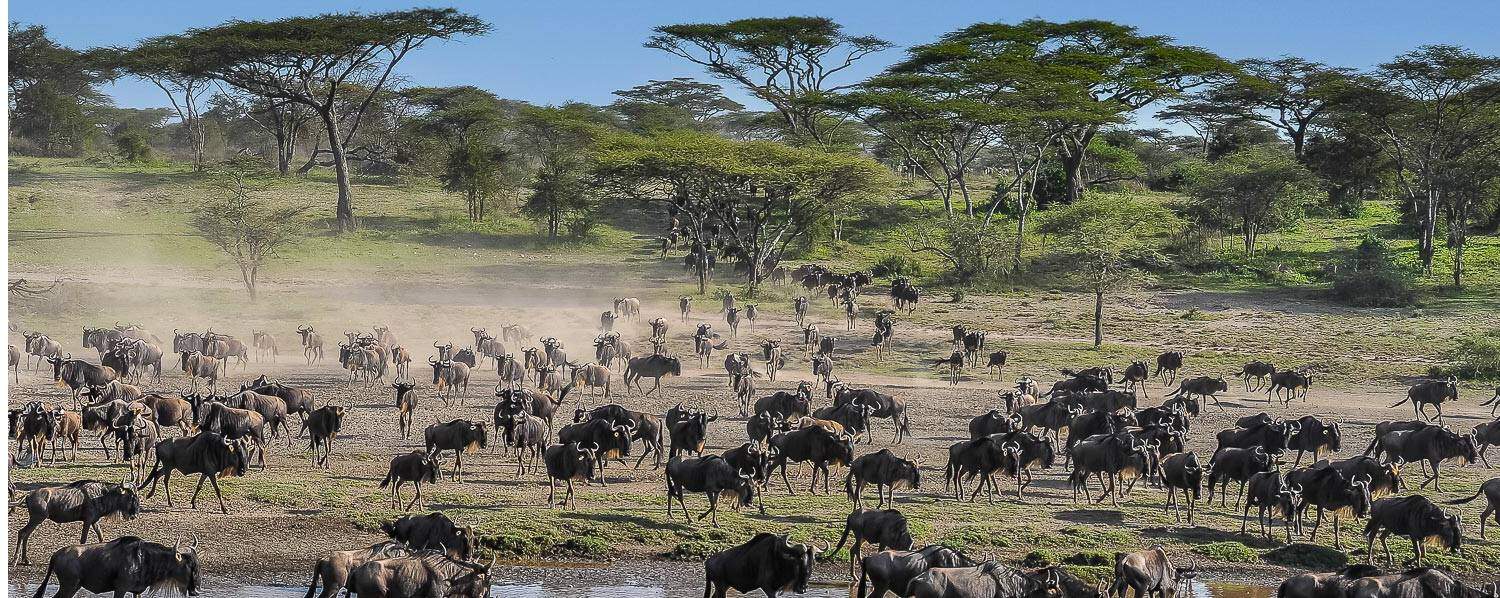
The savannah of the Serengeti’s Western Corridor stretches all the way to Lake Victoria. The Grumeti River and its gallery forests run through this aisle of the Serengeti, a sanctuary for enormous Nile crocodiles and hippo. Every year between about May and July, herds of wildebeests (around 40 km or 25mi long) arrive on the banks of the Grumeti to kick off the main event – The treacherous river crossing. This is one of nature’s most thrilling spectacles to witness, yet a bittersweet experience as many of the gallant gnus are killed by hungry crocodiles.
If you are looking for a classic big game safari combined with a way-from-the crowds luxury accommodation, then we recommend the privately owned Singita Grumeti Reserve. It borders the Serengeti’s Western Corridor and lies directly on the Migration’s route, giving you front-row seats to all the action. It is a quiet area with few camps and lodges and delivers excellent year-round sightings of general plains game and predators like cheetah, leopard, hyenas, lions and crocodiles.
Safari Experiences to Do in The Serengeti
Game Viewing
- Game viewing is one the highlights of most Serengeti safaris, the Serengeti is renowned for its migrating wildebeests, dense lion population and good birding opportunities and all can be seen during the game drives. During your game drives in Serengeti National Park, led by experienced driver-guide who are always in constant communication with other guides in the via a radio call, you will be able to see some of Africa’s iconic wildlife species including lions, leopards, cape buffaloes, gazelles, cheetahs, giraffes, elands among others.
- Game drives in Serengeti National Park are offered as morning game drives, afternoon game drives and full day game drives.
Walking Safaris
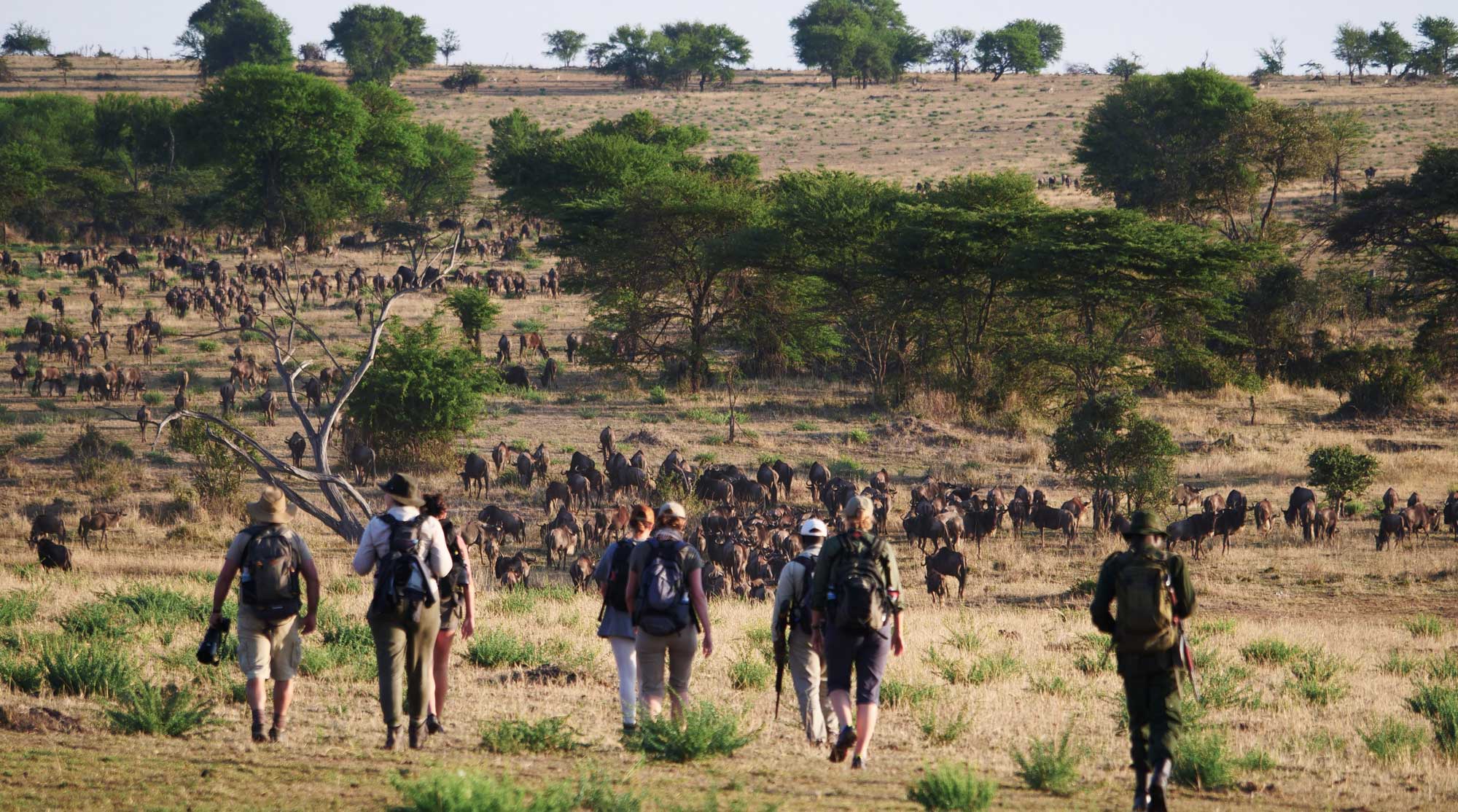
- View Serengeti’s nature and wildlife on foot, walking safaris is the most interesting way to explore the Serengeti ecosystem. Though it is not as exciting as game drives, walking safaris offer a great chance to get up close to the trees, plants and smaller animals such as zebras, elands and learn a lot more about them.
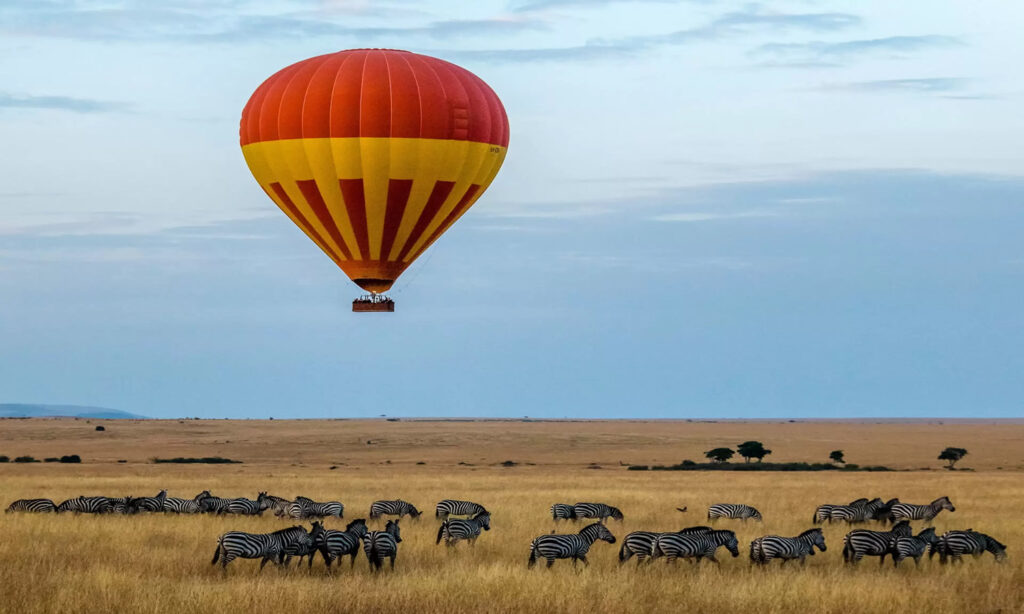
- Get an aerial view of the Serengeti and spend an hour floating in a hot air balloon over the plains at dawn. Witness the sunrise over the endless plains and then come down to treetop level to view the animals before they hide from the heat of the day. After landing, you are treated to a glass of champagne and a full English – style breakfast with your fellow balloon riders to celebrate the experience.
The Great Migration
- The Serengeti is the setting for one of the world’s great natural spectacles – The Great Migration of over a million wildebeests as well as thousands of other hoofed animals, including zebras, eland, and gazelle. The animals migrate in large numbers on the annual journey
through the Serengeti – Mara Ecosystem in search for water and green pastures.
Birding
- For bird enthusiasts, the Serengeti is a paradise offering a chance to see over 500 bird species in one of the world’s richest ecosystems. The Serengeti’s varied landscapes – from open savannahs to riverine forests and wetlands support a wide range of birdlife, making birding in Serengeti a truly rewarding experience.
- Whether you are an experienced ornithologist or a causal bird lover, the diversity of species
here is impressive, with birds ranging from the strikingly large ostriches to the delicate bee-eaters. Other birds to lookout or in Serengeti include Kori Bustard, the Secretary bird, herons, flamingoes, white stork, pelicans, European roller among others.
Visit a Maasai Village
- Also called the Maasai Bomas, visitors are welcome to the Maasai Village/communities to visit and learn about their customs, traditions, and lifestyle. Most visits last an hour or less and include a brief dancing ceremony, a visit to a traditional boma made of sticks, mud, and cow manure, a visit to the village school, and the opportunity to purchase handicrafts produced by members of the village.
How Long to Spend in The Serengeti?
Basing on the size of Serengeti National Park and the amount of what to see and do, a minimum of 4 full days is advised, but it is highly suggested that you stay longer if you can. Three days or less is not enough time to get a comprehensive well-rounded experience in the
Serengeti. So, the longer, the better, if your trip is combined with other nearby destinations, this should give you time to experience the key areas before moving on.
When to Go: Best Time of The Year for A Serengeti Safari
How To Get to Serengeti National Park
Heading to Serengeti National Park is typical and most straightforward and your Serengeti Safari beings with flying into Kilimanjaro International Airport or Arusha Airport. Several smaller airstrips then make short charter flights to your chosen safari lodge or camp which is a
seamless experience.
Alternatively, for closer lodges and camps, transfer via game vehicle and enjoy an introductory safari along the way. For any further travelers, the Serengeti airstrips are also ideal connection points to the Masai Mara, Kilimanjaro, and Lake Manyara.
Travel Tip: International fights often arrive at Kilimanjaro late at night, so we recommend an overnight in Arusha before catching a charter flight into the Serengeti.