
Add Your Heading Text Here
Add Your Heading Text Here
Add Your Heading Text Here
Tanzania Safari Packages
Tanzania Safari Packages
Tanzania is home to some of the most spectacular wildlife encounters on Earth. From the endless plains of the Serengeti to the elephant-rich landscapes of Tarangire and the dramatic Ngorongoro Crater, this is where Africa’s wild heart beats strongest. Whether you dream of witnessing the Great Migration, tracking the Big Five, or soaring above the savannah in a hot air balloon, Tanzania offers a safari experience like no other.
Choose from a wide range of safari options – from classic lodge-based game drives to intimate fly-in luxury adventures and budget-friendly camping safaris. Our expert guides will take you deep into the wilderness, revealing the hidden wonders of Tanzania’s national parks and conservation areas. Every journey is tailored to your interests, travel period, and lodging preferences, ensuring a seamless and unforgettable adventure.
Our Tanzania Safari Packages
Frequently Asked Questions About Tanzania Safaris
Your Ultimate Guide to Planning an Unforgettable Tanzanian Adventure
1. When is the best time to visit Tanzania?
Tanzania’s climate is tropical, with distinct dry and wet seasons that influence wildlife viewing and travel experiences.
Dry Seasons (Best for Wildlife Viewing):
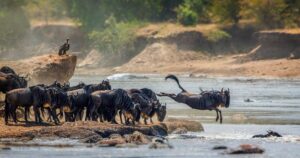
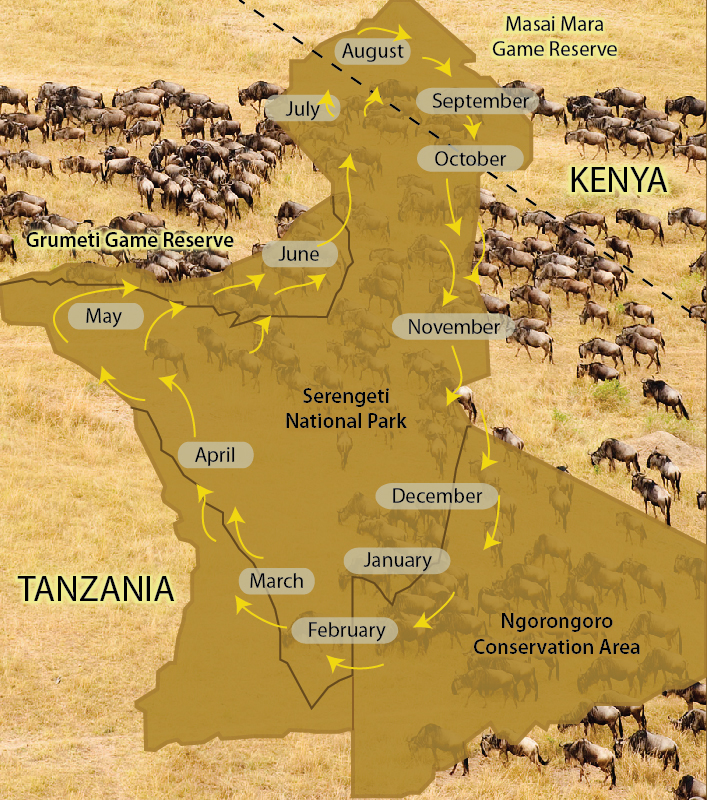
June to October – The peak season with excellent wildlife viewing as animals gather around water sources. This is the best time for the Great Migration, particularly the dramatic Mara River crossings in the Northern Serengeti (August–September) .
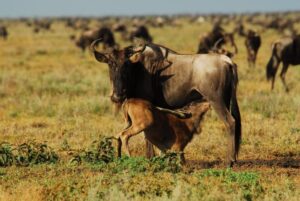
December to February – A short dry season with warm weather and good wildlife viewing. This is also the calving season in the Southern Serengeti (January–February), where thousands of wildebeest calves are born, attracting intense predator activity.
Wet Seasons (Green Season):
March to May – The long rainy season brings lush, green landscapes and spectacular scenery. The parks are quieter, and some lodges offer lower rates. Wildlife is more dispersed, and the wildebeest herds begin moving north through the Seronera region .
October to mid-December – The short rainy season, with occasional downpours that refresh the landscape. Migratory birds are present, and the scenery is beautiful.
Pro Tip: If you want to witness the Great Migration’s iconic river crossings, plan your visit between August and September. For the calving season and predator action, visit between January and February.
2. Why visit Tanzania, what are the major attractions?
Tanzania is a land of extraordinary diversity – from golden savannahs and the highest mountain in Africa to pristine islands and the world’s most famous wildlife spectacle. The name alone conjures images of adventure, romance, and untamed wilderness.
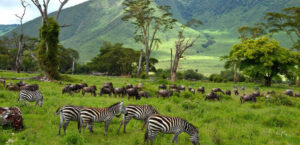
Serengeti National Park – The crown jewel of Tanzania’s parks, famous for its vast open grasslands and the annual Great Migration. Its endless plains are home to the largest concentration of big cats in Africa, along with zebras, wildebeest, giraffes, elephants, and over 500 bird species .
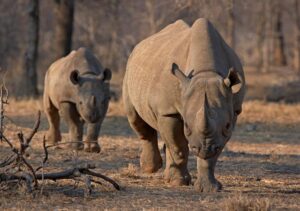
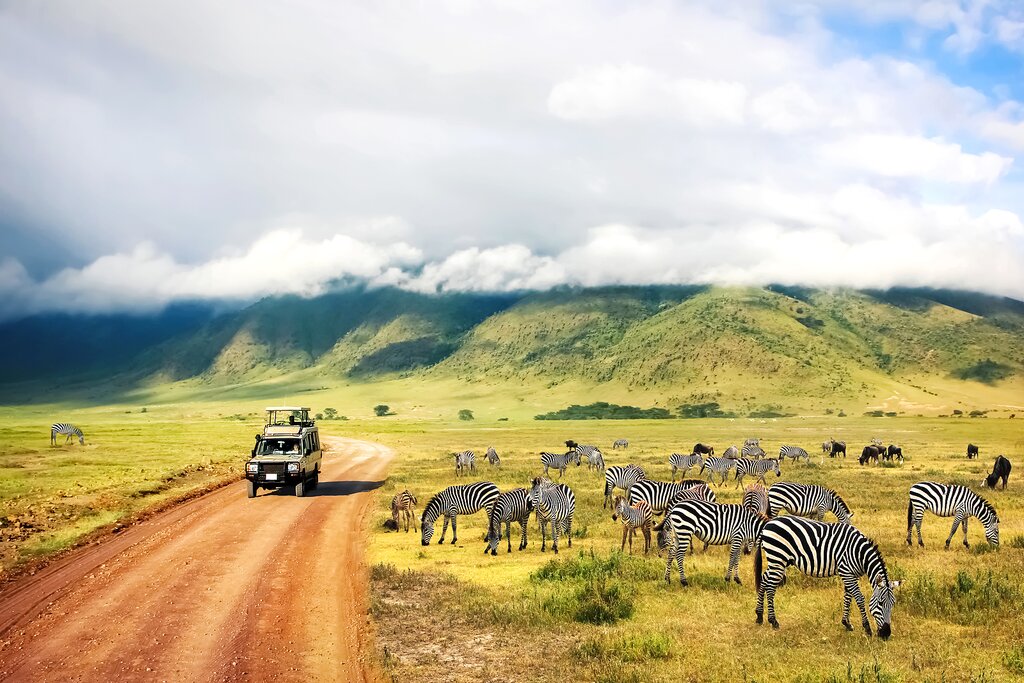
Ngorongoro Crater – A UNESCO World Heritage Site and the world’s largest unbroken caldera, often called “Africa’s Eden.” The crater floor is home to over 25,000 large mammals, including the Big Five, and is one of the best places to spot the endangered black rhino.
Mount Kilimanjaro – Africa’s highest mountain (5,895 metres). Reaching its summit is a life-changing experience for many adventurers and one of the most rewarding climbs on the continent .
Zanzibar – A tropical paradise with powder-white sands, turquoise waters, and a rich cultural history. Explore the UNESCO-listed Stone Town, visit spice farms, and unwind on some of the most beautiful beaches in the world.
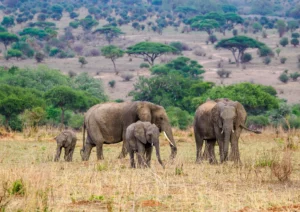
Tarangire National Park – The land of ancient baobabs and massive elephant herds. During the dry season, up to 300 elephants can gather along the Tarangile River.
Lake Manyara – Famous for its tree-climbing lions, lush groundwater forest, and thousands of flamingos.
Tanzania truly has something for everyone – from adventure seekers and wildlife enthusiasts to culture lovers and beach worshippers.
3. How is the wildlife viewing in Tanzania?
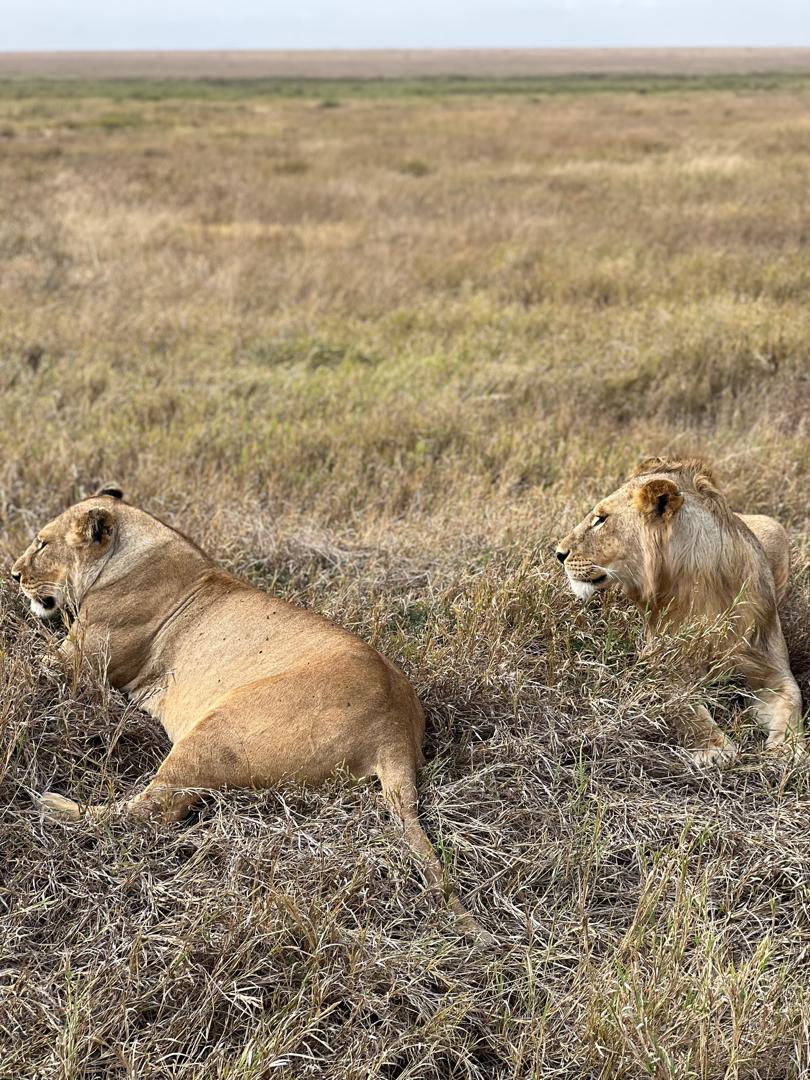
Tanzania offers some of the best wildlife viewing on the planet. It is one of the few places where you can still witness the Big Five in their natural habitat.
The Big Five: Buffalo, elephant, and lion easily seen throughout most parks, Leopard more challenging to spot but frequently encountered in the Serengeti and Ngorongoro Crater, black rhino rare throughout Tanzania, with the best chance of seeing them in the Ngorongoro Crater. Count yourself lucky if you see one!
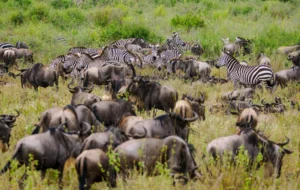
The Great Migration – The Serengeti is best known for the annual Great Migration. Over two million wildebeest, zebra, and gazelle move across the plains in search of fresh grazing, creating one of the world’s most spectacular wildlife events. The migration’s river crossings, where thousands of animals plunge into crocodile-infested waters, are particularly dramatic. Birdlife tanzania boasts over 1,000 recorded bird species, making it a birdwatcher’s paradise. Bring your binoculars!
Pro Tip: For the most rewarding wildlife viewing, schedule your game drives for early morning and late afternoon when animals are most active.
4. How safe is Tanzania for tourists?
Tanzania is generally considered a safe destination for tourists, especially as the majority of visitors are looked after by their tour operator from the moment they land at the airport.
General Safety Tips:
Avoid displaying valuables – Avoid wearing expensive jewellery or watches, and keep cameras discreet when not in use .
Petty crime – Take sensible precautions in towns and cities. At night, use a taxi rather than walking .
Respect local culture – Tanzania is a relatively conservative country. Avoid wearing revealing clothing such as “short shorts” or low-cut tops, as this can attract unwanted attention and cause offence .
Stay informed – Keep up with government travel advisories before and during your trip.
Wildlife Safety: Your guide will provide instructions on how to behave during game drives and walks, ensuring your safety at all times.
5. What can I expect from an African safari in Tanzania?
A Tanzania safari is a sensory journey like no other. Here’s what to expect:
Breath-taking landscapes – Golden savannahs, dramatic volcanic craters, lush forests, and shimmering lakes.
Abundant wildlife – Close encounters with Africa’s most iconic animals.
Long drives and early starts – Game drives typically begin at dawn when wildlife is most active.
Changing weather – From warm sunny days to cool evenings on the crater rim.
A different pace of life – Embrace the rhythm of nature and disconnect from the world.
Unpredictable connectivity – Phone and internet access can be limited, allowing you to truly be present in the wilderness .
Western-style food – While you’ll enjoy delicious local cuisine, western options are widely available.
Exciting activities and adventure – Game drives, walking safaris, hot air balloon rides, and cultural encounters.
Unforgettable memories – Moments that will stay with you forever.
6. What type of accommodation can I expect on a safari in Tanzania?
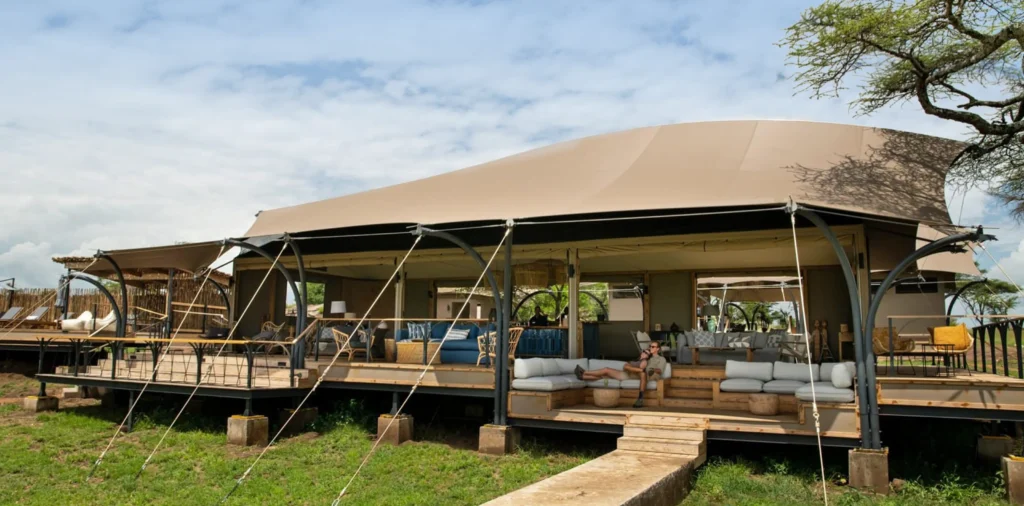
The places you stay during your Tanzania safari can be a source of unforgettable memories. Accommodation falls into three broad categories:
1. Hotels and Lodges
Full-service facilities with private rooms or cottages and private bathrooms. They typically have designated restaurants, lounges, and sometimes swimming pools. Many lodges are architecturally stunning, built with local materials and inspired by traditional designs .
2. Tented Camps
Permanent or semi-permanent camps set in areas of excellent game viewing. These offer many of the comforts of a lodge within private spacious canvas tents on a solid permanent base, with beds, private bathrooms, and high-quality cuisine. Tented camps offer a more intimate and adventurous safari experience .
3. Camping in Tents on the Ground
Guests sleep in private tents (designed to sleep three people) at designated public campsites in or near national parks. This is the most budget-friendly option and offers the most immersive wilderness experience.

7. Do I need a visa for Tanzania?
Yes, most nationalities require a visa for Tanzania. You can obtain a visa on arrival at the airport or apply online in advance. Costs typically start from $50.
8. What vaccinations do I need?
Consult your doctor at least 4–6 weeks before travel. Yellow fever vaccination is required (keep your Yellow Card with you), and malaria prophylaxis is recommended.
9. What should I pack for a safari?
Pack neutral-coloured clothing (khaki, olive, beige), comfortable hiking boots, a fleece or warm jacket for cool mornings, sunscreen, sunglasses, insect repellent, and your camera with extra batteries. A packing list is provided upon booking.
10. Can I combine a safari with a Zanzibar beach holiday?
Absolutely! Many of our safaris can be extended with a beach holiday on Zanzibar, offering the perfect bush and beach combination.
11. What is the maximum group size?
We offer private safaris tailored to your group size. Minimum is 1 person, maximum can be adjusted based on your preferences.