
Ngorongoro Conservation Area – Tanzania’s Legendary Wildlife Crater
Overview of Ngorongoro Conservation Area
The Ngorongoro Conservation Area is one of Africa’s most extraordinary wildlife destinations and a UNESCO World Heritage Site recognized for its ecological and cultural importance. Located in northern Tanzania about 180 km west of Arusha, the conservation area forms part of the wider Serengeti ecosystem, one of the richest wildlife systems on the planet.
Established in 1959, the conservation area covers approximately 8,292 square kilometres of highland plains, volcanic craters, forests, and savannah landscapes. What makes this protected region unique is the coexistence of wildlife with traditional pastoral communities, particularly the Maasai people who have lived in the region for generations.
At the heart of the conservation area lies the spectacular Ngorongoro Crater, the world’s largest intact volcanic caldera. This natural amphitheater attracts thousands of travelers every year because of its remarkable scenery and dense wildlife populations.
Major Attractions in Ngorongoro Conservation Area
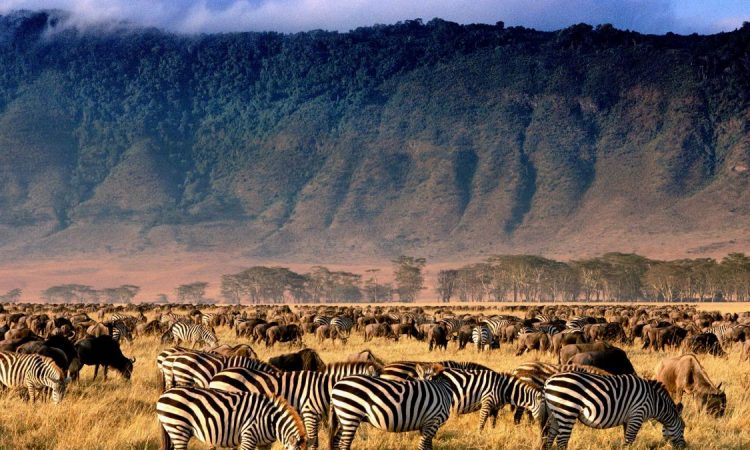
- Ngorongoro Crater: The most famous feature of the conservation area is the because the crater floor contains permanent water sources, grasslands, and small lakes, animals remain within the area throughout the year. Visitors often encounter large herds of zebras, wildebeest, buffalo, and gazelles grazing across the plains while predators such as lions and hyenas patrol the territory.
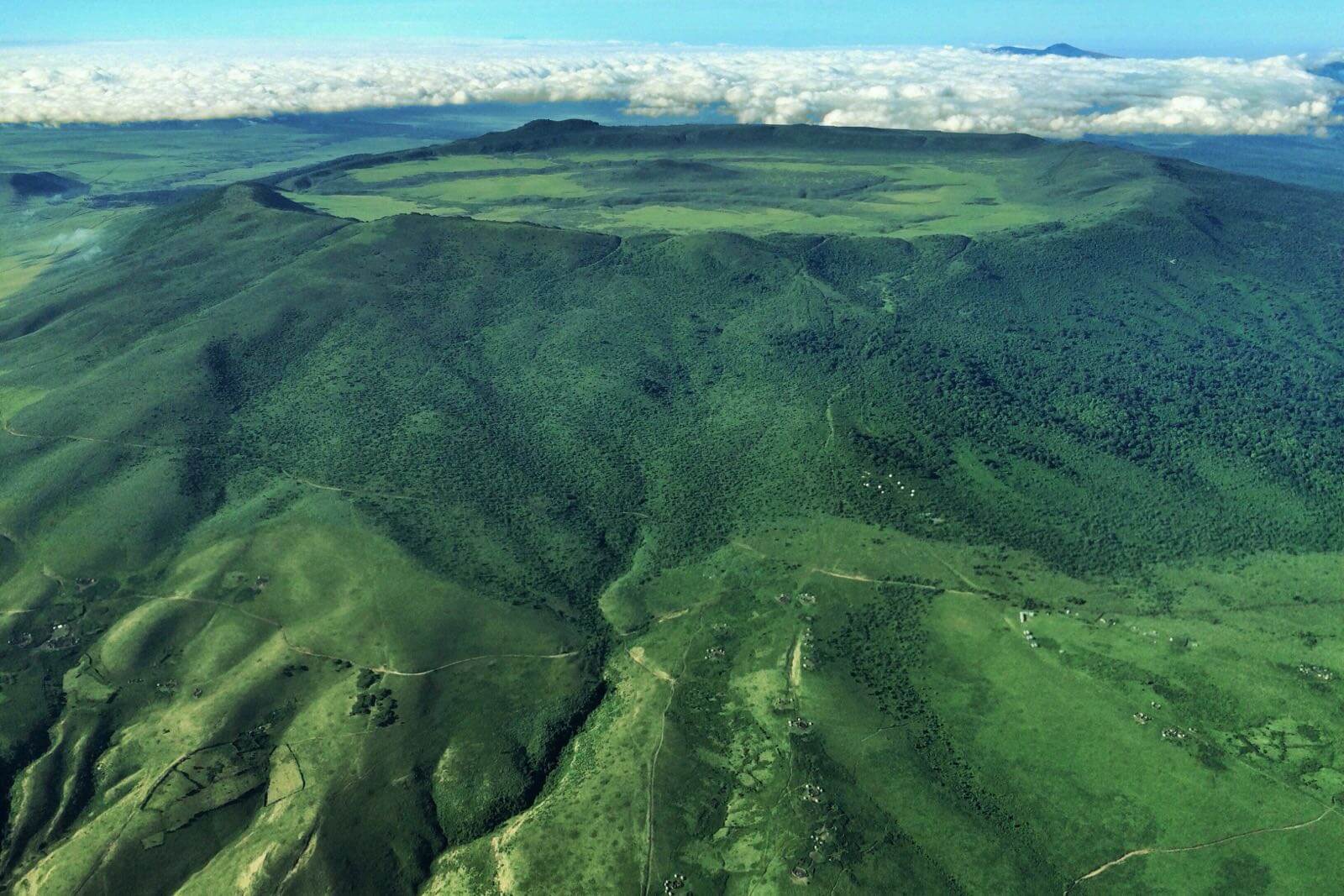
2.Olmoti and Empakaai Craters: Beyond the main crater, the conservation area contains several other volcanic formations worth exploring. The Olmoti Crater is known for its scenic highland landscapes and a beautiful waterfall that flows down the crater wall.
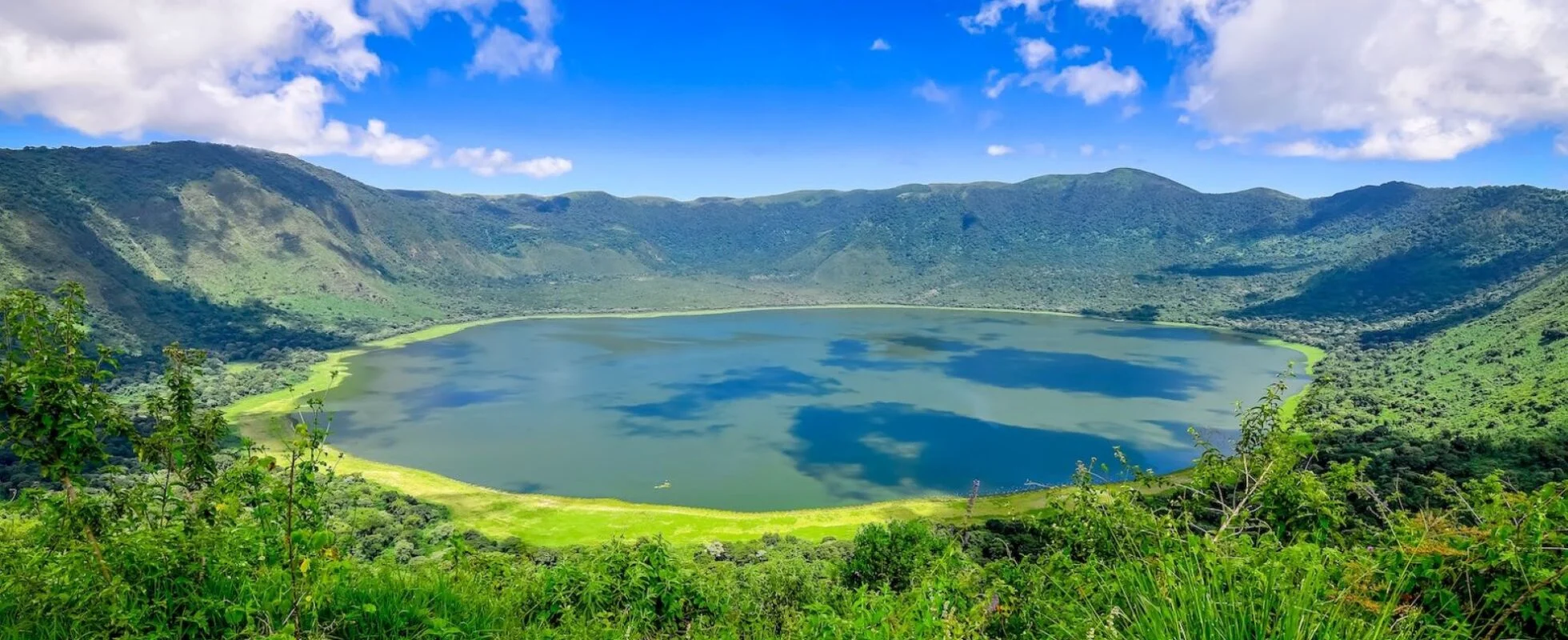
Nearby, Empakaai Crater offers dramatic views of a deep crater lake surrounded by steep green slopes. The hike down the rim provides breathtaking scenery and excellent opportunities for birdwatching.
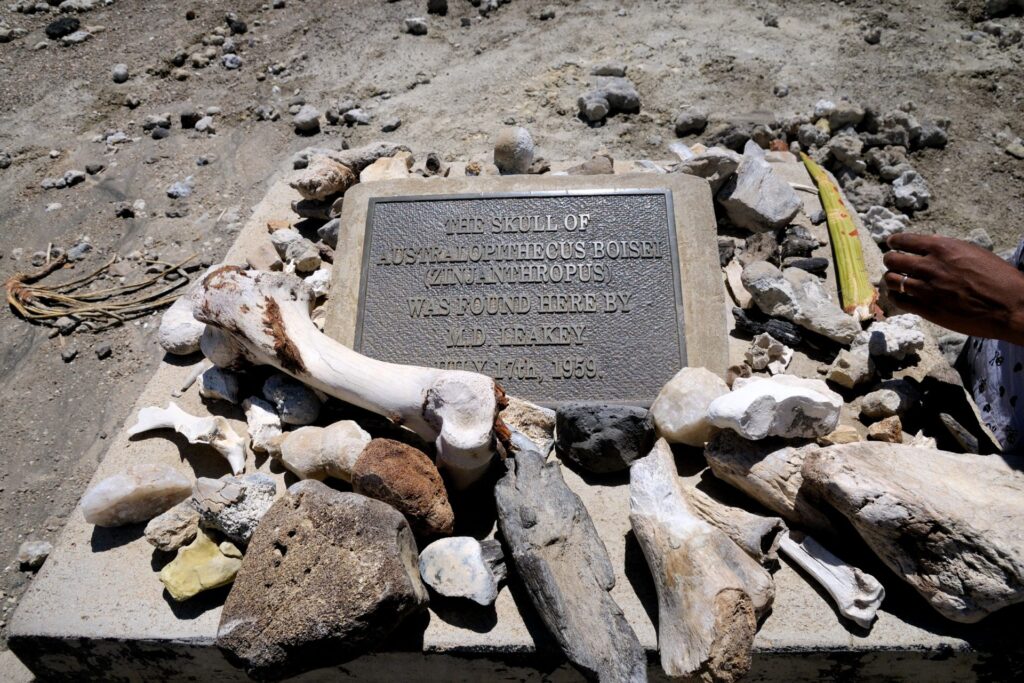
3.Olduvai Gorge: The Olduvai Gorge is one of the most important archaeological locations in the world. Often referred to as the “Cradle of Humankind,” the gorge has revealed fossil evidence that has helped scientists understand early human evolution. Discoveries made by the renowned paleo-anthropologists Louis Leakey and Mary Leakey brought international attention to the site after the discovery of early hominid remains including Zinjanthropus boisei. Today visitors can tour the small museum and view exhibits related to the origins of humanity.
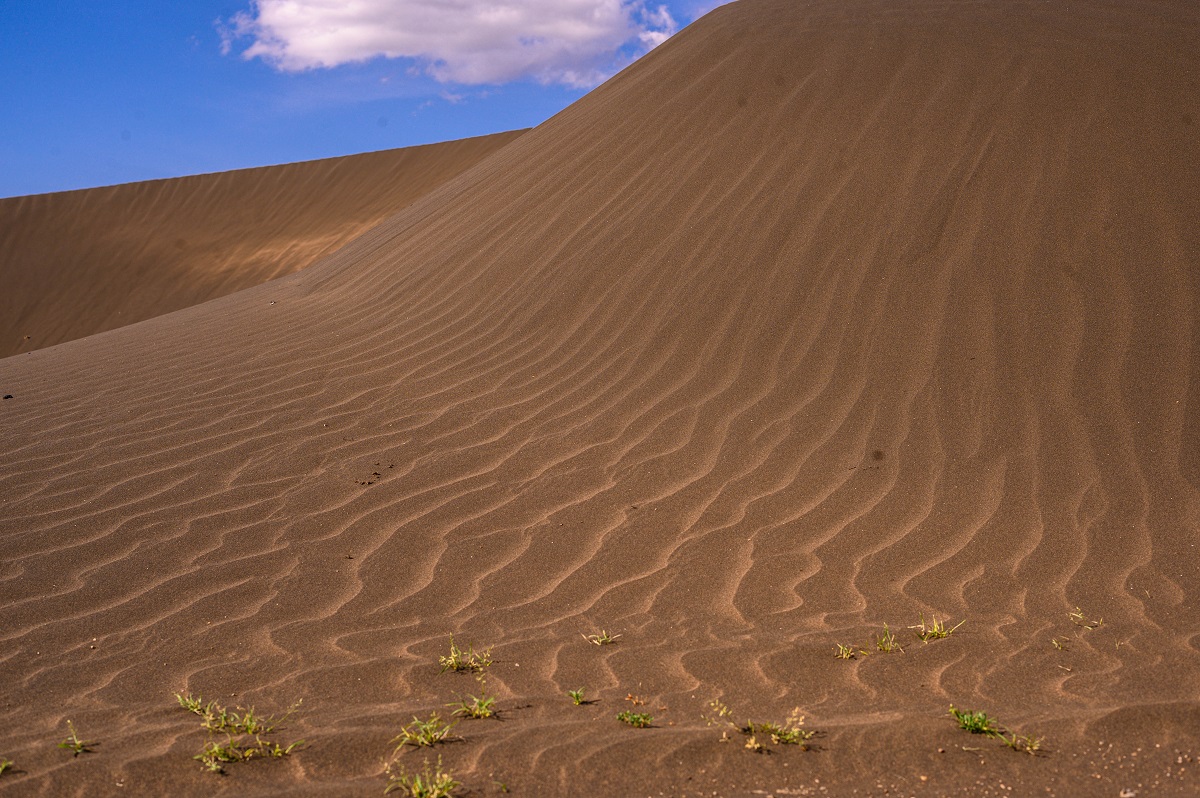
4. The Shifting Sands: Another fascinating natural feature in the area is the Shifting Sands, a dark volcanic ash dune that slowly moves across the plains over time while maintaining its shape. Scientists believe the sand originated from eruptions of Ol Doinyo Lengai, an active volcano located nearby. Wind gradually pushes the dune several metres each year, creating a unique geological phenomenon.
Wildlife in Ngorongoro Conservation Area
The Ngorongoro Conservation Area is famous for its exceptional wildlife density. Because the crater floor provides year-round water and grazing land, animals rarely migrate far from the area. Visitors commonly see:
- Wildebeest
- Zebras
- Buffalo
- Gazelles
- Hyenas
- Hippos
- Jackals
- Elands
- Blue monkeys
The region also hosts predators such as lions, cheetahs, and occasionally leopards.
The Big Five in Ngorongoro
One of the highlights of visiting the crater is the possibility of spotting the Big Five in a single location. These iconic species include:
- Lions
- Elephants
- Buffalo
- Leopards
- Rhinoceroses
The conservation area is particularly known for its population of endangered
Birdlife in Ngorongoro
Bird enthusiasts will find the region equally rewarding. Over 500 bird species have been recorded across the conservation area. Some of the most notable birds include:
- Kori Bustard
- Saddle-billed Stork
- Lesser Flamingo
- Ostrich
- Yellow Wagtail
The wetlands, lakes, and grasslands make the conservation area a paradise for birdwatchers.
Top Activities in Ngorongoro Conservation Area
Travelers visiting the conservation area can participate in a variety of safari activities, including:
- Game Drives: Game drive experience in Ngorongoro Crater starts on the crater rim, following a steep descent road that winds down the inner wall and onto the crater floor. From this initial position, it’s hard to fully appreciate the nature of this experience but, as you venture across the open plains, the walls rising around you on all sides are impossible to ignore, fully enclosed with limited line of sight in all directions. It is only once you are in this position that you can truly comprehend the fascinating nature of this experience. As dramatic as the landscape is, it is the wildlife that inevitably steals the show. And, given the predominantly flat surface area of the crater floor, locating wildlife is usually cons.
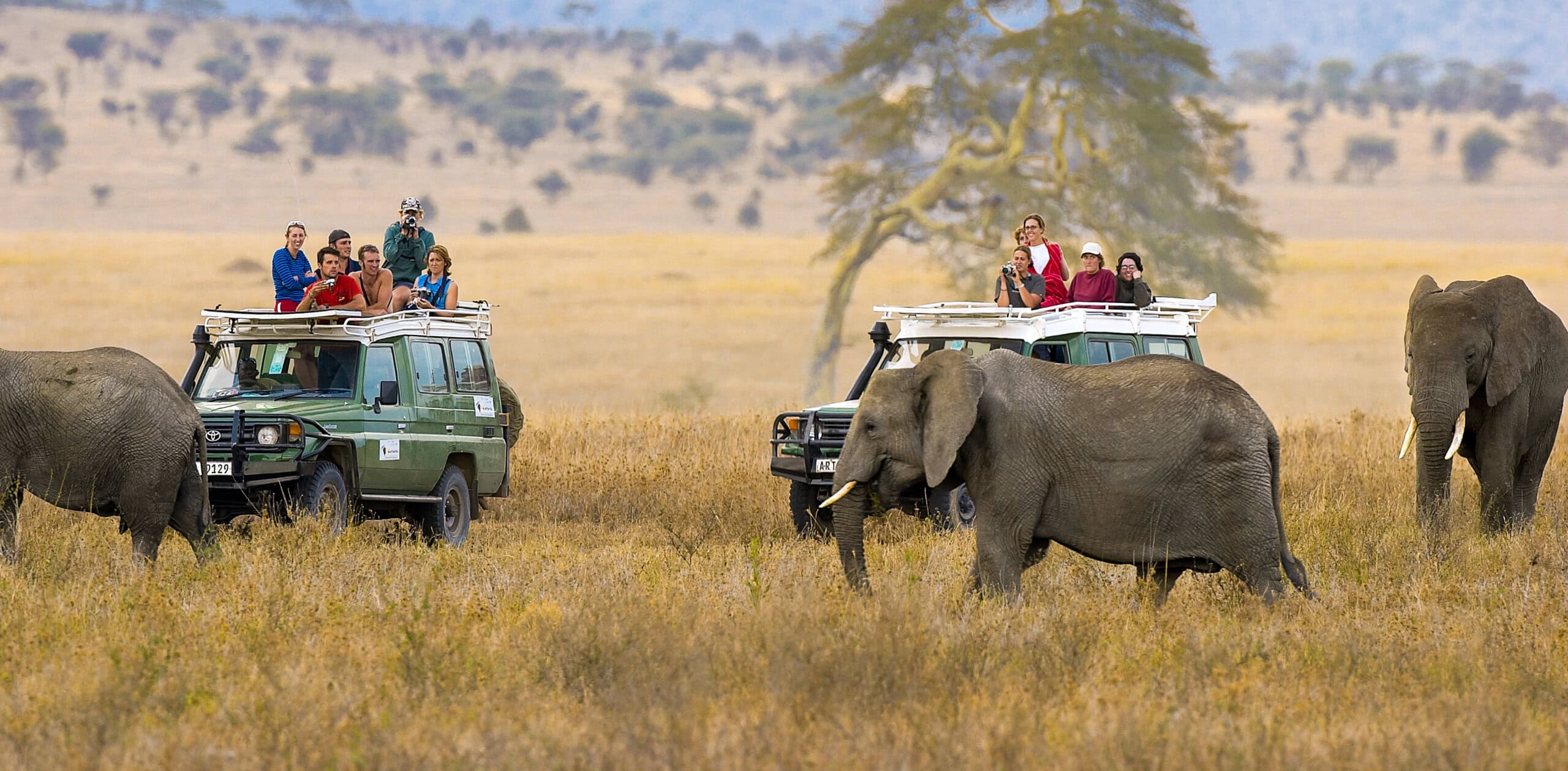
An estimated 30,000 large mammals live inside the Ngorongoro Crater. Lion, cheetah, leopard, hyena, and jackal compete for prey, while buffalo, zebra, and wildebeest enjoy the nutrient rich grazing across the crater floor. A small population of black rhino are present in the crater, and herds of elephant make their way through the forests between the floor and the crater a Big Five destination. The long-legged giraffe is noticeably absent from the list of wildlife you are likely to encounter, you might expect to see them gracefully strolling across the plains. One explanation for this is the walls of the crater are too steep, making the descent to the crater floor an impossible task for them. Whilst other animals could leave if they wanted to, most choose not to, opting to reside in the crater all year-round. While most parks and reserves in Tanzania have a degree of seasonality to the game viewing, usually based on availability of water, the Ngorongoro Crater offers consistently high game viewing throughout the year. However, during the months of December to March each year, the open plains of the conservation area northwest of the crater, see an enormous influx of wildlife and the Great Migration arrives in its huge columns.
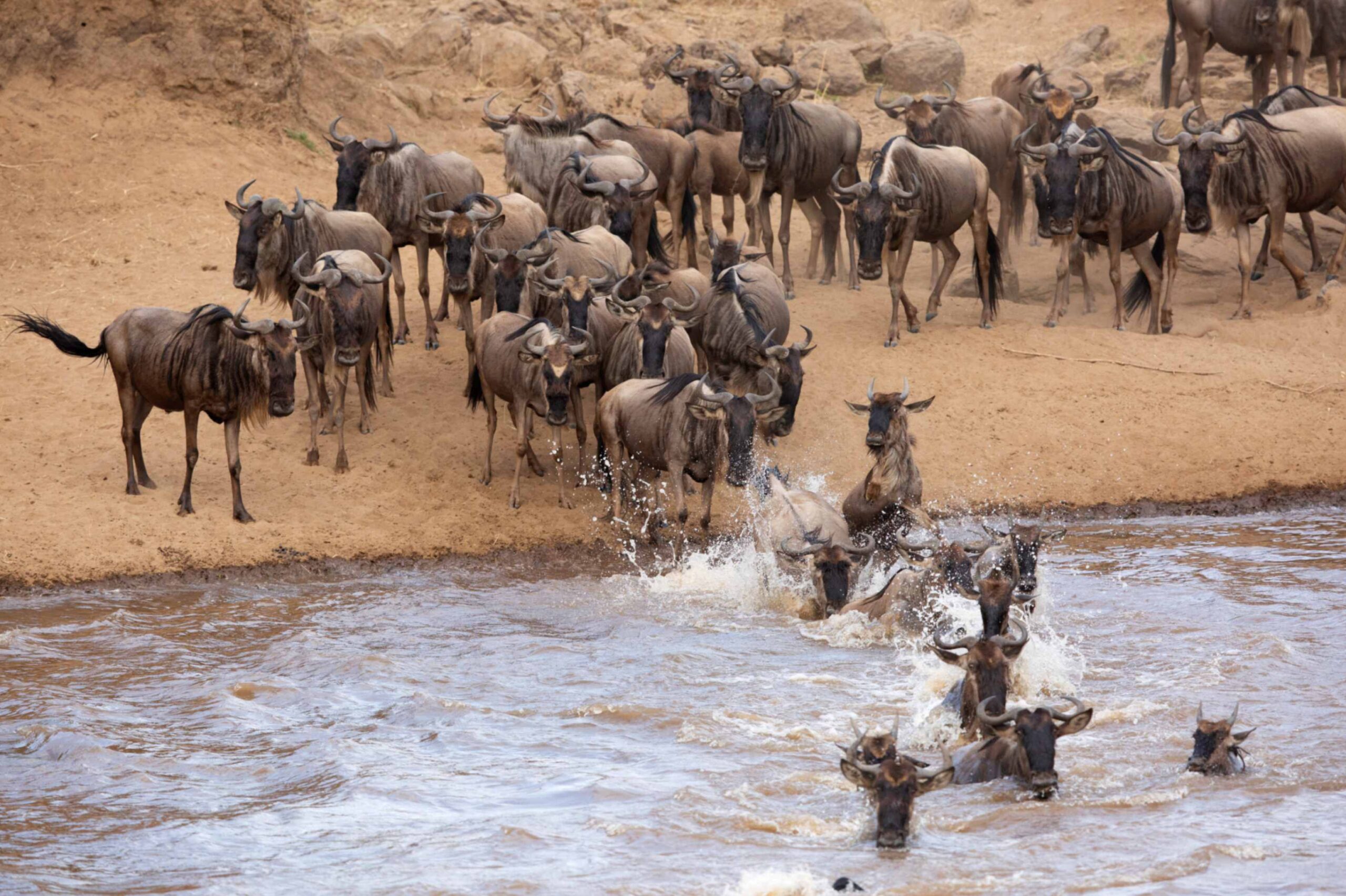
2. The Great Migration : Driving from the crater rim to the grassy plains of Ndutu area is a remarkable experience when the Migration is in the south for calving season. 1.5 million Wildebeest and zebra mass across the nutrient rich plains to give birth to their young and gather their strength before the search for greener pastures lures them northwards once again. The elevation from the crater rim drops significantly as the road descends the outer walls of the volcanic highlands towards the open plains, a change of nearly 1,000 meters in altitude. From a distance, the plains appear to have the shows of clouds moving across them. Giant, black swathes of shadow, as though enormous cumulonimbus clouds are battling the sun for dominancy. However, as you continue towards the plains, it becomes clear that these are not shadows, but the mega-herds of the Great Migration. Predators skirt the periphery, separating the young, old, or injured for the herd, picking them off as and when they close
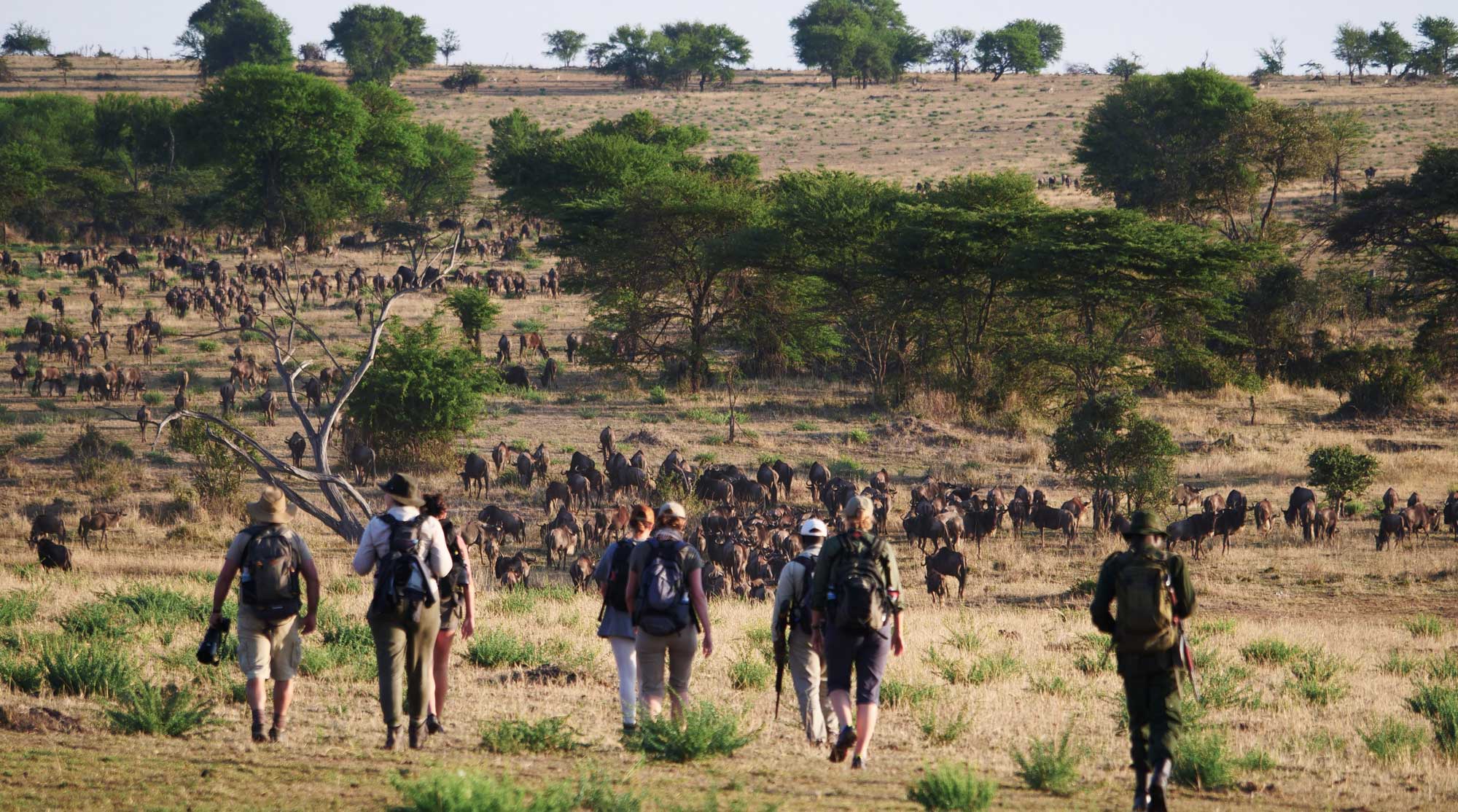
3. Walking Safaris: Guided nature walks around the highlands allow visitors to experience the landscape on foot while learning about local plants, birds, and geology.
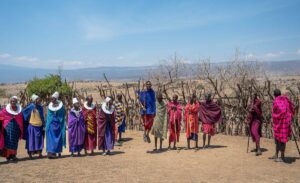
4. Cultural Experiences: Visitors can interact with the Maasai communities living in the area and learn about their traditional lifestyle and livestock practices.
5. Archaeological Tours: Excursions to Olduvai Gorge offer insights into the early history of human evolution.
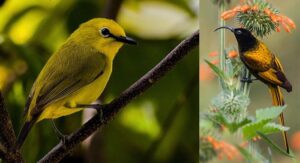
6. Bird Watching: With hundreds of bird species present, the area is one of the most rewarding birding destinations in East Africa.
Best Time to Visit Ngorongoro Conservation Area
The conservation area can be visited throughout the year, although each season offers a slightly different experience.
- Dry Season (May to October)
This period is considered the best for wildlife viewing because animals gather near water sources and vegetation is less dense. - Green Season (November to April)
The rainy season transforms the landscape into lush green plains. It is also an excellent time for birdwatching and photography, as many migratory birds arrive and young animals are often seen.
How to Get to Ngorongoro Conservation Area
Travelers can reach the Ngorongoro Conservation Area by road or air.
- By Road: The conservation area lies about 160–180 km from Arusha. The journey typically takes around 3 to 4 hours using a 4×4 safari vehicle.
- By Air: Visitors can also take domestic flights from Kilimanjaro International Airport or Arusha to nearby airstrips serving the Ngorongoro and Serengeti region.
Accommodation in Ngorongoro
The conservation area offers a wide range of accommodation options for travelers on a Tanzania safari, including luxury lodges, mid-range hotels, and budget campsites. Some of the well-known lodges include:
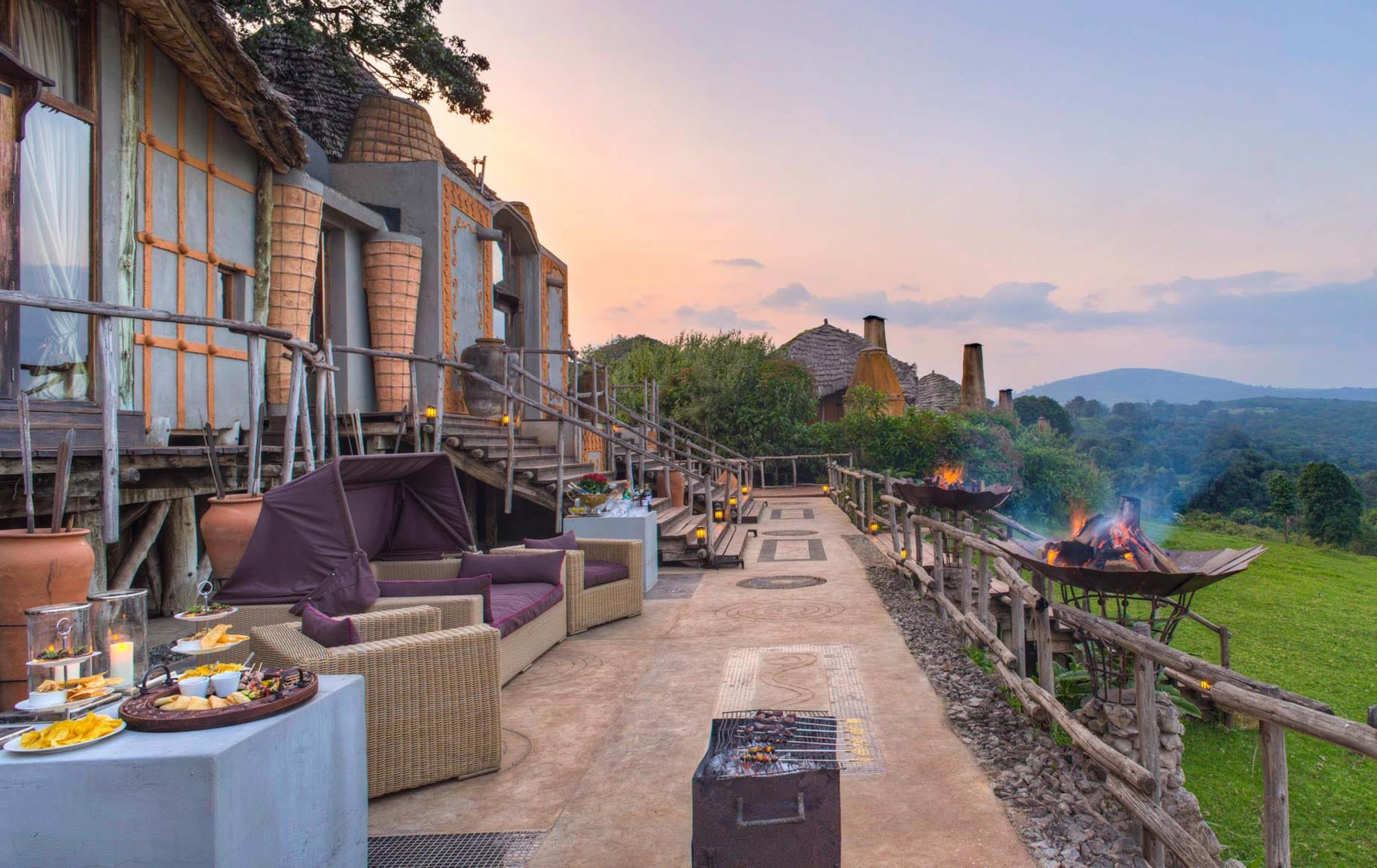
- Ngorongoro Crater Lodge
- Ngorongoro Forest Tented Lodge
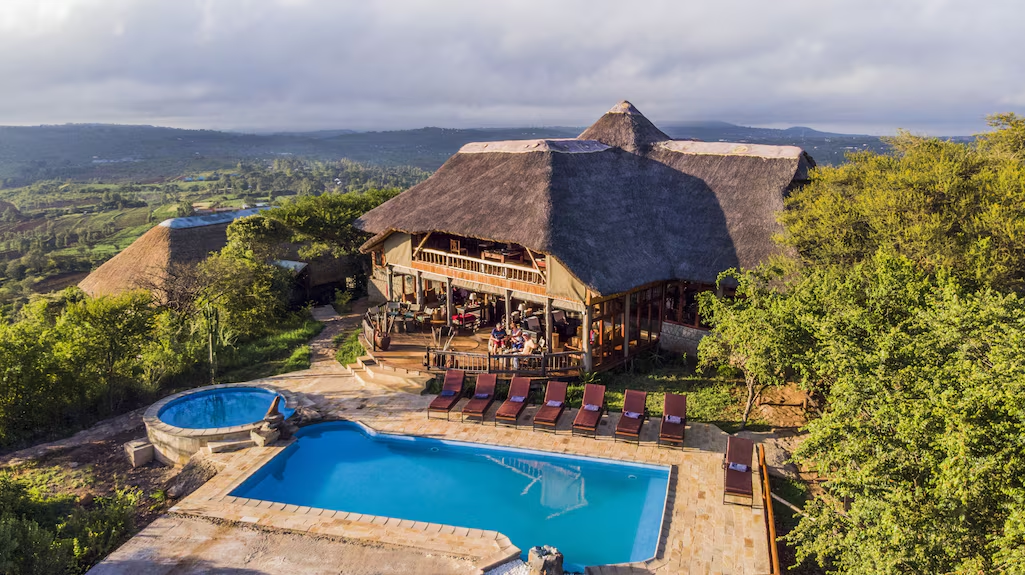
These properties provide spectacular views of the crater or surrounding highlands while offering comfortable facilities for visitors exploring the region.
Why Visit Ngorongoro Conservation Area?
- A safari to the Ngorongoro Conservation Area is one of the most rewarding experiences in East Africa. The combination of dramatic volcanic landscapes, dense wildlife populations, cultural heritage, and archaeological history makes the destination truly unique.
- Whether you are interested in wildlife photography, cultural encounters, birdwatching, or simply exploring one of the world’s most famous natural wonders, Ngorongoro offers an unforgettable safari experience.