
Balloon Safaris in Tanzania
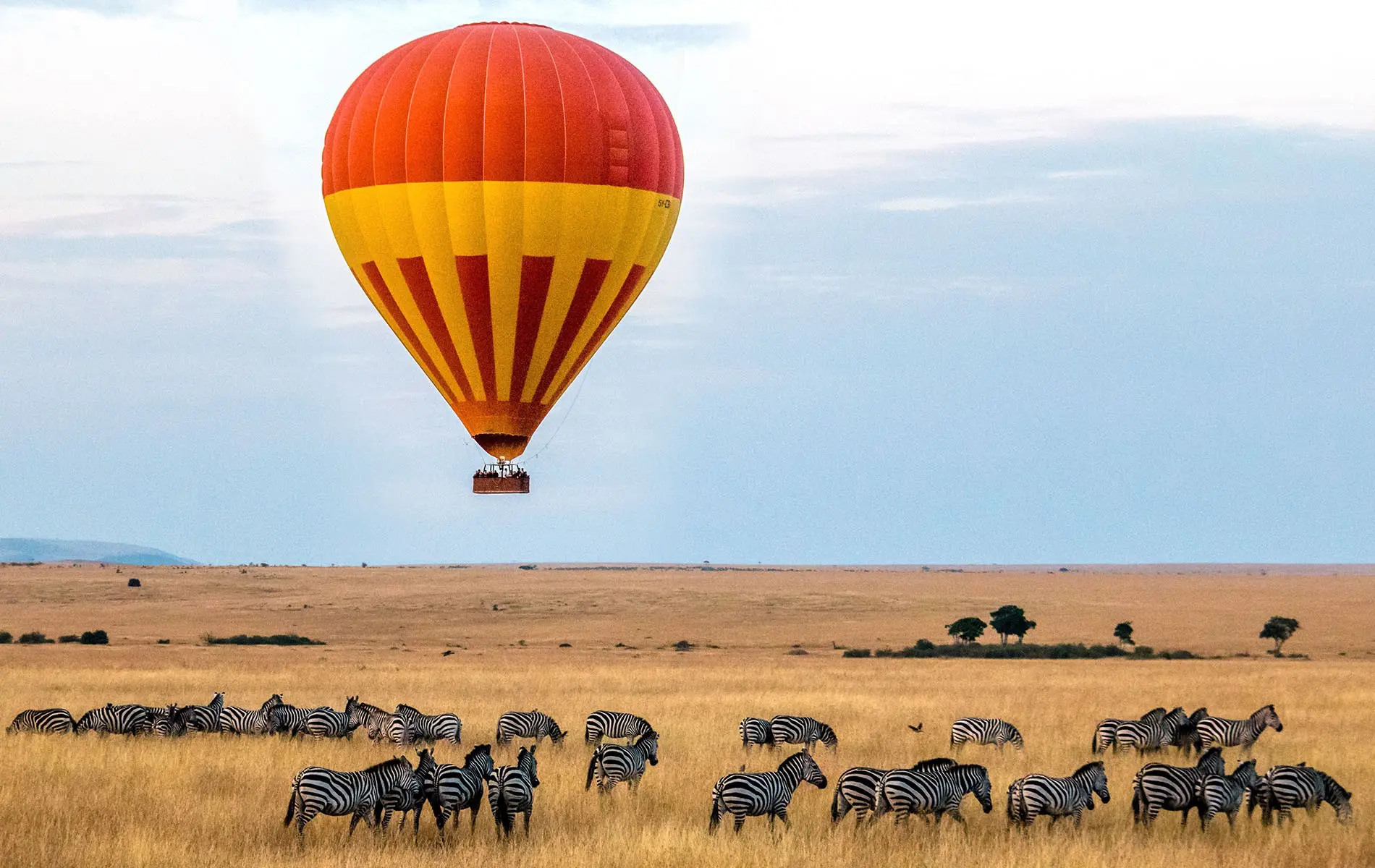
A balloon safari in Tanzania is one of the most special experiences you can have while on safari in Africa. It is perfect for honeymooners, friends, and families looking for a unique adventure. Taking to the skies provides a completely different perspective of Tanzania’s landscapes. A balloon safari is a wonderful addition to a Tanzania safari, offering a grand opportunity to see giant herds of animals and witness a spectacular sunrise over the wilderness.
Where to Do Balloon Safaris in Tanzania
Tanzania has several beautiful destinations where balloon safaris are offered.
Serengeti National Park
The Serengeti National Park, named after a Maasai word meaning “endless plains,” is one of the world’s most famous national parks. From the sky, you can truly appreciate the vastness of this remarkable landscape.
During a Serengeti balloon safari, you may even witness the awe-inspiring Great Migration, where massive herds of wildebeests and zebras move across the plains. As you drift over the savannah, keep an eye out for hippos in their pools, plains game grazing below, and predators beginning their early morning hunts.
Ruaha National Park
Balloon safaris in Ruaha National Park operate exclusively during the dry season from June to October. This experience offers spectacular views of the Ruaha River and landscapes dotted with giant baobab trees.
Although larger than Serengeti National Park, seeing Ruaha from above helps visitors appreciate the sheer scale of this unique destination. The gentle winds during the dry season allow for low-altitude flying just meters above hippos while also climbing to higher elevations for sweeping panoramic views.
Tarangire National Park
The scenic Tarangire National Park is another incredible destination for a balloon safari. The calm winds often create a slow and peaceful flight, allowing travelers to fully appreciate the landscape and wildlife below.
The park’s grassy plains, ancient baobab trees, rocky outcrops, and red soils are carved through by the Tarangire River and the lush green Silale Swamp. From the air, visitors can watch impressive herds of elephants and buffalo emerging from the swamp as the sunrise reflects off their dark hides.
Ngorongoro Conservation Area
Balloon safaris in the Ngorongoro Conservation Area are conducted in the Ndutu Plains. Imagine floating above one of Africa’s greatest wildlife sanctuaries as the sun rises and casts a golden glow across the landscape.
Ngorongoro is a UNESCO World Heritage Site known for its extraordinary wildlife density, breathtaking scenery, and unique volcanic geography. A balloon safari here offers a journey through the cradle of humankind and across the plains where the famous wildebeest migration begins.
How to Plan Balloon Safaris in Tanzania
Booking a balloon safari in Tanzania is possible with us in several destinations including Serengeti National Park, Tarangire National Park, Ngorongoro Crater, and Ruaha National Park. Our travel experts simplify the process by organizing your transport, accommodation, and balloon flight arrangements.
Balloon Safari Timings
Balloon safaris usually begin very early in the morning.
-
Wake up around 4:00 am
-
Arrive at the launch site around 5:15 am
-
Watch the crew prepare the balloon
-
Receive a safety briefing from the captain
-
Take off around 6:45 am
After approximately one hour in the air, the balloon gently returns to the ground. Following landing, guests celebrate with a champagne toast at around 8:30 am, followed by a bush breakfast under the shade of a large acacia tree.
Clothing for Balloon Safaris
Mornings in Tanzania can start off quite cold but warm up quickly once the sun rises. It is recommended to wear a warm layer that can easily be removed later.
Suggested clothing includes:
-
Long trousers
-
Long-sleeved shirts
-
A hat to protect from heat from the burners
Passengers may also bring a small bag on the flight for cameras, binoculars, and sunscreen.
Scared of Heights?
Many passengers who initially fear heights discover that they do not feel vertigo during the flight. The large wicker basket provides a strong sense of security. Because the basket moves together with the balloon, it does not sway, and passengers rarely experience motion sickness.
Is a Balloon Safari in Tanzania Safe?
Balloon safaris in Tanzania are conducted by experienced pilots who carefully evaluate weather conditions before every flight. Because Tanzania’s weather is generally stable, balloon flights are possible almost all year round. The equipment used is maintained to the highest standards. Balloons are usually retired after approximately 850 flight hours to ensure safety and reliability.
The wicker baskets are divided into compartments holding two to four passengers each and include:
-
Safety belts
-
Seats
-
Support ropes along the interior
Before takeoff, the pilot explains all safety instructions so passengers understand what to expect during the flight.
Can Children Join a Balloon Safari?
Children aged seven years and above can normally participate in balloon safaris. However, if a child is six years old, at least 1.4 meters tall, understands English, and can follow instructions, they may also be allowed to fly using a special cushion and seatbelt.
Children under six years old can remain on the ground under the supervision of a chaperone who accompanies them by vehicle to the landing site so they can watch the balloon arrive and enjoy the bush breakfast afterward.
When to Go on Balloon Safaris in Tanzania
Balloon safaris require clear skies and steady winds. Fortunately, these conditions are common during the early mornings in Tanzania throughout the year. Tanzania has a tropical climate with two dry seasons and two rainy seasons. During the dry season, wildlife gathers near water sources, while the wet season transforms the landscapes into lush green scenery.
1. Dry Season (June to October)
June to October is the most popular period for safaris in Tanzania. The weather is dry and pleasant with very little rain. Wildlife viewing is excellent because vegetation is shorter and animals gather around water sources. In the Serengeti and Ngorongoro regions, visitors can view the savannah from above, while in Ruaha and Tarangire large herds of buffalo and elephants can often be seen. A shorter dry season from January to February also provides good wildlife viewing opportunities.
2. Wet Season (March to May)
March to May is the main rainy season, with heavy rains usually occurring in the afternoons or evenings. Mornings are often clear, meaning balloon safaris are rarely affected. The landscapes become beautifully green and dramatic storm clouds create spectacular photography conditions.
3. Short Rains (November to December)
The short rains occur between November and December. These rains are less predictable and typically come as short afternoon thunderstorms. This season still offers beautiful scenery, with fresh green landscapes and golden morning light over the savannah.
Where Balloon Safaris Are Offered in Tanzania
Balloon safaris in Tanzania are only available in certain national parks.
1. Serengeti National Park
Due to its enormous wildlife populations and the Great Migration, the Serengeti is one of the most famous safari parks in Africa. A balloon safari here offers one of the best chances to see the migration from above as thousands of wildebeest, zebras, and gazelles move across the plains while predators follow closely behind.
2. Ngorongoro Crater
The Ngorongoro Crater is considered one of Africa’s natural wonders. It lies within the Ngorongoro Conservation Area and covers nearly 8,000 square kilometres.A balloon safari here offers views of the world’s largest intact volcanic caldera and opportunities to spot the Big Five—lions, leopards, buffaloes, rhinos, and elephants. The Ndutu Plains are also an important area for the calving season of the Great Migration.
3. Ruaha National Park
Ruaha National Park is a lesser-known safari destination located in southern Tanzania. Visitors can see a wide variety of wildlife including giraffes, zebras, ostriches, striped hyenas, and hippos.
4. Tarangire National Park
Famous for its giant baobab trees and large elephant herds, Tarangire National Park provides an exciting location for balloon safaris. From the air, visitors can observe elephants along the Tarangire River and predators hunting across the plains.
Cost of a Balloon Safari in Tanzania
Balloon safaris are generally more expensive than standard game drives. Prices vary depending on location and operator.
Typical prices include:
-
Serengeti National Park: about US$599 per person for a flight lasting 50–70 minutes
-
Tarangire National Park: about US$550 per person
If your goal is to witness the Great Migration, timing your safari during the right migration period is essential.
Safety Considerations
Safety should always be the top priority during a balloon safari.
When choosing an operator, it is important to ask questions such as:
-
Are the pilots licensed and experienced?
-
Is the equipment regularly inspected and approved by the Tanzania Civil Aviation Authority?
-
What is the maximum number of passengers per balloon?
-
Does the package include insurance coverage?
-
What weather conditions would prevent a flight?
-
Are there weight restrictions for passengers?
What Is a Balloon Safari Experience Like?
- Balloon flights normally take place very early in the morning to catch sunrise and avoid strong winds later in the day.
- Guests are collected from their camps and driven to the launch site where they receive a safety briefing before boarding the basket.
- Once the balloon rises, passengers enjoy spectacular aerial views of the park and the wildlife below. The guide may use binoculars to point out animals that might be difficult to see from the air.
- After about an hour in flight, the balloon gradually descends. Upon landing, guests enjoy a bush breakfast with champagne before continuing their safari activities.
Frequently Asked Questions About Balloon Safaris
1. Are Balloon Safaris Safe?
Balloon safaris are very safe when conducted by experienced operators who follow proper aviation safety standards.
2. What Clothes Should I Wear?
Because flights take place early in the morning, temperatures can be cold. Wearing a jacket and long trousers is recommended.
3. What Are the Weight Restrictions?
Many operators set an average weight limit of 77 kg per person. Passengers above this weight may need to purchase an additional seat to balance the balloon.
4. What Is the Minimum Age?
Most companies require participants to be at least six or seven years old.
5. What Happens if the Weather Is Bad?
Flights may be cancelled or rescheduled if conditions such as strong winds or heavy rain make flying unsafe.
6. How Many People Fit in a Balloon?
Most balloons carry a maximum of 16 passengers, depending on the balloon size and safety regulations.