
Tanzania Photo Safaris
Whether you are a seasoned photography buff or a casual photographer, Tanzania is a haven for photo safaris. The country features a wide range of landscapes and cultures that will blow your mind with their natural beauty.
A Tanzania photo safari will bring you to incredible sightings to capture. In Tanzania you will be spoilt of choice between the stunning landscapes and the myriad of wildlife.
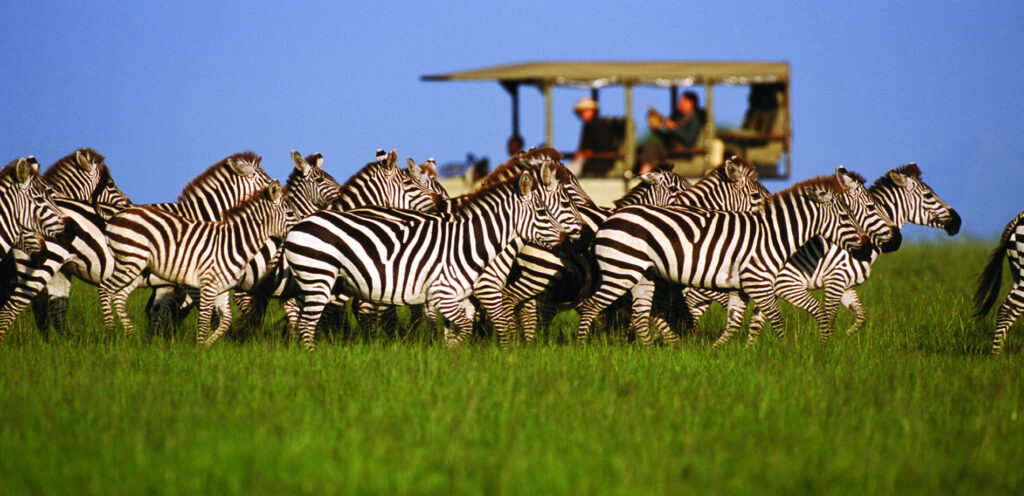
Tanzania has a number of incredibly stunning photographic destination, ranging from the Serengeti plains, and steep-sided Ngorongoro Crater to Lake Manyara filled with pink flamingoes and rare tree climbing lions, Tarangire National Park with its giant tuskers, to idyllic Zanzibar beaches and Pemba Island.
Additionally, Tanzania has of mountains such as the world-renowned Mount Kilimanjaro, Mount Meru and Ol Doinyo Lengai Volcano that has photographers salivating at the mere sight of them.
What to Expect on Tanzania Photo Safaris
Tanzania photo safaris takes you to some of Tanzania’s most productive wildlife hotspots. Tanzania is regarded as one of the top wildlife viewing places in Africa and is well-known for its annual great migration, the Big Five and big cats, which include numerous lions, leopards, and cheetahs. You will have the opportunity to shoot and discover the rich wildlife and vivid scenery of Tarangire National Park, Serengeti National Park and Ngorongoro Crater on your unique wildlife expeditions.
Most Tanzania photo safaris guarantee near-daily encounters with African big cats and you have the opportunity to capture these. Moreover, get an opportunity to photography Simba – lion staling their prey while the fastest animal on the planet, the incredible cheetah, purses down its meal of the day at top speed.
Planning Tanzania Photo Safaris
Unlike other safaris, photo safaris in Tanzania are always more expensive because there are fewer people on this kind of safari. Regardless of the cost, you will have a great experience traveling from one location to another.
However, you must be prepared for dust most especially during the dry season and rain during the rainy season, so carry some protective gear for your cameras.
Our Tanzania photo safaris are done from a private car with like-minded folks who will not move during important periods and are also glad to be out before daybreak and returning after dusk. Photos safaris are conducted by a guide who is a professional photographer and has previously escorted photographers in the wild. The guide makes a tremendous difference in terms of positioning the safari vehicle correctly, getting the light perfect.
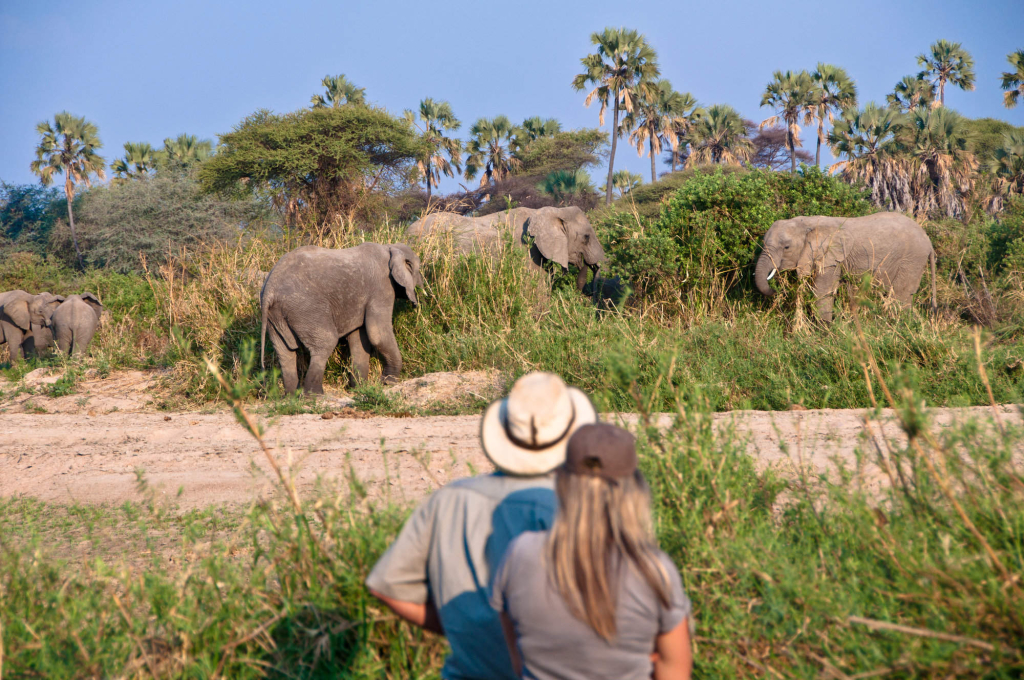
You have full access to the safari vehicle to ensure that there is no conflict of interest and that you are the master of your photography destiny. On the outskirts of Tanzania national parks and reserves, where dangerous species and safety are less of a worry, it is much easier to explore and photography on foot and at your own pace.
Traveling with numerous camera bodies coupled with different lenses is an excellent idea on safari. Since it eliminates the need to change lenses is a good idea on a photo safari as it eliminates the need to change lenses, allowing dust to get inside the camera. More so bring plenty of extra memory cards, backup batteries, and a solar charge with you as it is different to try and charge batteries halfway into your safari.
Equipment to Carry on Tanzania Photo Safaris
To fully enjoy a Tanzania photo safari and capture the best shots, you will require good cameras with focal lengths ranging from 200-600 mm or more if you use a full-frame DSLR or mirrorless camera.
If you are using a crop sensor camera, adjust the focal lengths. Also, there is a wide – angle lens suitable for landscape photography and a short focal length telephoto suitable for some wildlife scenarios (for example, very close elephants and other mammals, or groups of animals). In this case, there will be very limited possibilities to use macro lens.
If you carry a high-quality bridge camera, it should have an optical zoom of 18-20x or more and a suitable wide angle at the opposite end of the zoom range. Make sure to pack plenty of extra batteries.
Because dust is ubiquitous in Northern Tanzania, cleaning supplies are essential. A beanbag can come in handy for wildlife photography from the automobile.
Best Time for Tanzania Photo Safaris
The time of the year you choose to go for Tanzania photo safaris will greatly impact your experience. The dry season (May to July) provides excellent wildlife watching and the Great Wildebeest Migration. Also, it brings smoky and dusty conditions, as well as dark brown and drab grey backgrounds.
During the green season (wet season), when the regenerated bush comes back to life again, there is a profusion of color, and the clarity after the rains is second to none, but wildlife is dispersed and great sights can be hard to find. This is the perfect time of year to focus on landscape and bird photography.