
How to Plan a Trip to See Africa’s Great Migration
Each year, Africa Great Migration see over two million wildebeests and thousands of gazelles and zebras thunder across the sun-bleached Mara-Serengeti savannah plains, drawn by instinct to cross crocodile-infested rivers where predators lie in wait.
But beyond the chaos, the epic annual journey reveals a deeper, more complex tale of survival and symbiosis on the Serengeti stage.
Africa’s Great Migration is a world-renowned wildlife phenomenon where more than a million wildebeest, along the countless zebras and gazelles, follow rains across Tanzania’s Serengeti and Kenya’s Masai Mara in a relentless quest for green pastures and water.
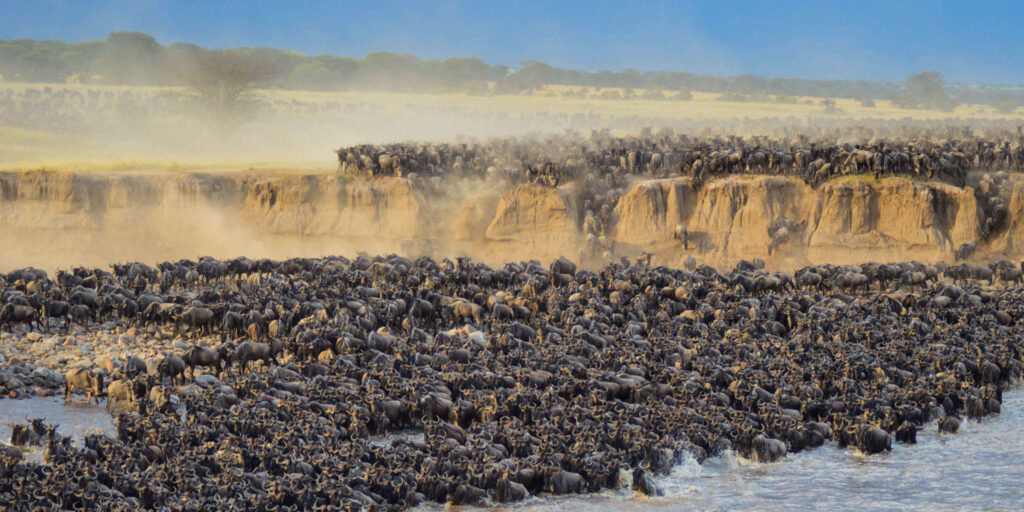
To a soundtrack of thundering hooves and panicked brays, wildebeests plunge into the muddy Mara River, churning the water as sly crocodiles snap from below and lions prowl the banks. It is a scene of raw, pulse – quickening drama – nature at its most primal, played out beneath vast African skies. But this isn’t just a spectacle, it is part of Africa’s Great Migration, a world renowned wildlife phenomenon where more than a million wildebeest, along with countless zebra and gazelles, follow the rains across Tanzania’s Serengeti and Kenya’s Maasai Mara in a relentless quest for greener pastures.
And it is not just predators drawn to the chaos, with the migration pulling in travellers from across the world. But with growing attention comes growing responsibility, and sustainable travel is playing an ever more crucial role in protecting this extraordinary event.
Here is everything you need to know before you go for a trip to see Africa’s Great Migration
What is the Great Migration?
While the dramatic crossing of the Mara River and Grumeti River might be the most iconic scenes, the Great Migration is far more expansive. Every year, vast herds of wildebeest zebra and gazelles traverse the Greater Serengeti – Mara ecosystem – one of the oldest ecosystems in the world with a sweeping landscape of around 444 square miles.
Guided by a mix of instinct, survival and the rhythms of the rains, the animals follow a circular route in constant search for fresh grazing and water. Estimates of their combined numbers vary, ranging from one to two million, but one thing is certain, witnessing this epic journey in motion is an unforgettable experience for any wildlife lover.
When and Where Should I Go?
Wildebeests can sense and smell out rainfall and the promise of fresh grasses from miles away. Though climate change is making weather patterns less predictable, the ancient route of their odyssey remains unchanged.
The migration typically begins in the southern Serengeti and neighbouring Ngorongoro Crater Conservation Area, where the rains transform the plains into a maternity ward for the herds. February offers a different perspective on the migration, with some 500,000 calves born in just a few weeks. Of course, predators are never far behind, waiting for easy pickings among the wobbly newborns.
From April, the herd begin their journey north, moving through the Moru Kopjes – dotted with striking granite outcrops and into the Seronera region, the heart of the Serengeti. By June, reach the Western Corridor and the Grumeti River, before pushing on towards Kenya’s Maasai Mara between July and August. But before they can enjoy its lush pastures, they must brave the treacherous crossings of the Mara River, sometimes more than once, as they respond to scattered rains.
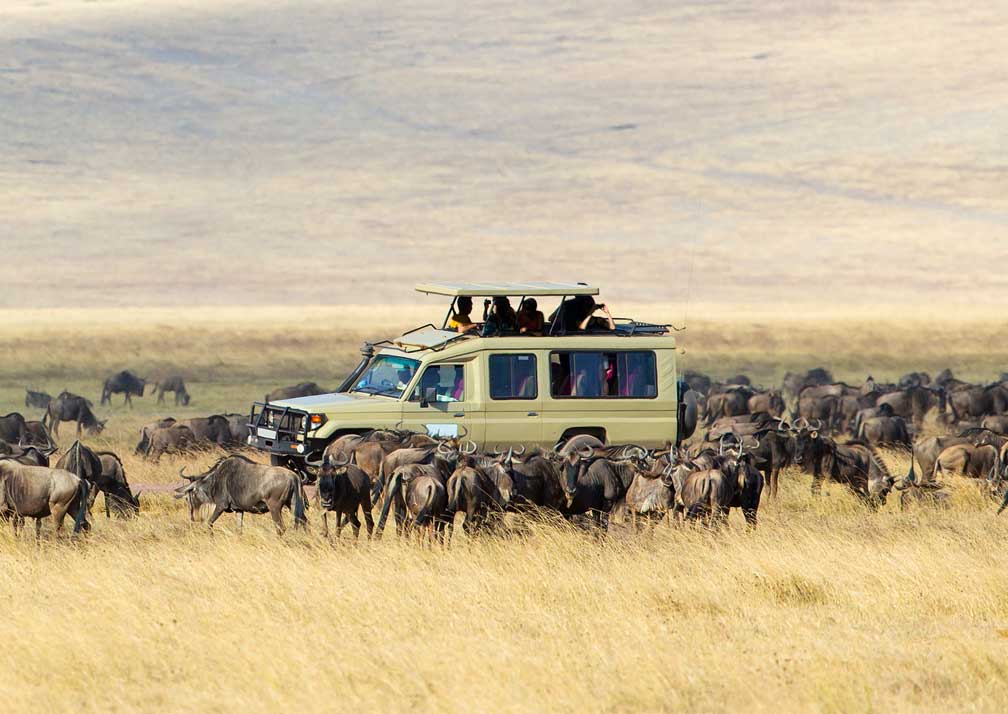
Once in the Mara, the herds disperse across the reserve, from the Mara Triangle to the Musiara and Sekenani sectors and spill into surrounding conservancies. By October, as the grasses begin to wither, the journey turns south once more. The wildebeest cross back into Tanzania, reaching eastern Serengeti, then gradually drift towards the southern plains, ready to calve again in the new-year, continuing their eternal cycle of migration.
How do I Plan a Great Migration Safari?
If you have hopes of witnessing the Great Migration in the Serengeti or Maasai Mara especially during peak season, from June to October, it is essential to plan well in advance. Often, lodges and camps book up a year or more in advance and safari vehicles can jostle for space along the riverbanks as travellers view for the best vantage points.
While it is possible to travel independently, organising a migration safari can make the experience far easier. There are many options available, and the process can be complex and expensive, so it is well worth enlisting the help of a responsible, specialist Africa Tour Operator.
These experts can tailor your itinerary, arrange bush flights or 4×4 transfers and match you with the best lodges and camps for your budget.
Where Should I Stay?
Choosing the right accommodation is essential for a responsible and rewarding Wildebeest Migration safari experience. Where possible, avoid large, budget international hotels in favour of boutique lodges or intimate camps that prioritise sustainability. Many of these properties actively support local communities and conservation efforts, while offering exceptional safari experiences.
In Tanzania, consider options such as…… , operating mobile safari camps that follow the Great Migration and provides access to private wilderness areas that are ideal for walking safari.
In Maasai Mara, stayng within community-owned conservancies neighbouring the reserve offers both exclusivity and a deeper connection to the land and its people. Local communities combine their land parcels to host a limited number of high-end camps, generating income through lease fees, conservancy levies and employment, while restoring vital wildlife habitat. Though prices may be higher, guests benefit from fewer crowds and exclusive activities such as night drives, walking safaris and full-day game drives to the iconic river crossings. The best accommodations to stay include.
Tips for a Sustainable Great Migration
- Choose wisely: it is easier to identify truly sustainable operators, especially those who publish detailed impact reports or transport newsletters. However, some may still offer only lip service to sustainability claims. Always check reviews carefully and ask questions if their commitments seem vague.
- Stay longer: Traditional safaris often involve early starts, bumpy drives and frequent moves between camps, sometimes requiring eco-unfriendly bush flights. Consider a “slow” safari instead, staying in one camp for an extended period. This approach benefits the environment, support local economies and allows you to unwind and deepen your connection with the natural world.
- Leave the Vehicle Behind: Many camps and safari lodges offer walking safaris, providing an intimate way to discover smaller wildlife, insects and birds away from crowds. For a unique perspective, try a hot-air balloon safari – there is nothing quite like drifting above the migration at dawn. Or simply take a day off to relax at the camp, watching wildlife from the comfort of the pool.
- Meet the locals: While some villages/community visits can feel like awkward tourist traps, camps with genuine community ties offer meaningful encounters. These experiences allow you to learn about local cultures and enjoy the warmth and hospitality of the people who call this land home.
- Be kind to wildlife: Avoid contributing to chaotic vehicle scrambles around sightings or river crossings. Wildlife should never be distressed or disturbed for our entertainment. Respectful viewing ensures these animals remain wild and free.