Complete Guide to Aserengeti Safari
Few places in the world can capture the essence of Wild Africa like Tanzania’s Serengeti National Park. Stretching across the northern plains of Tanzania and spilling into Kenya’s Maasai Mara, this legendary ecosystem is where ancient rhythms still dictate the flow of life.
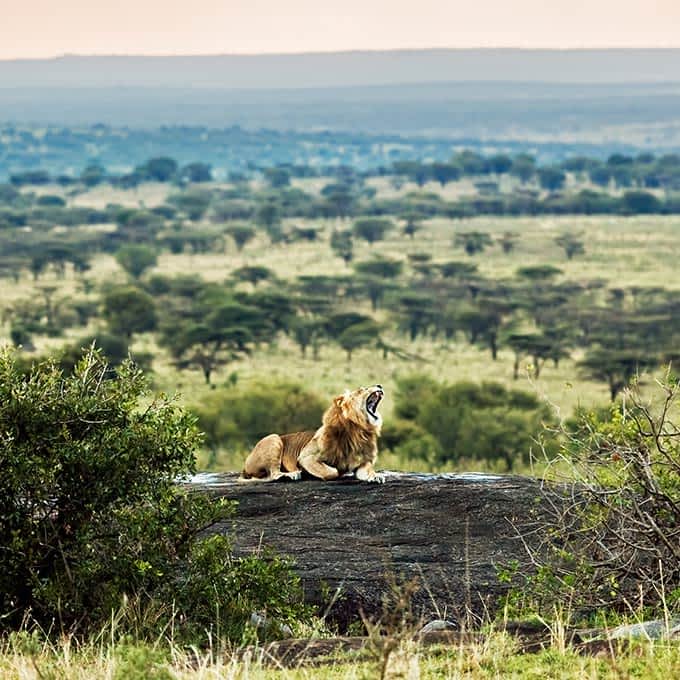
The word “Serengeti” is a local Maasai word meaning “endless plains” referring to the park’s landscape and once you have stood amid its golden grasslands beneath a vast African sky, you will understand why.
A Serengeti safari is more than just ticking off the Big Five, it is about witnessing one of the planet’s last great natural spectacles, the Great Migration, and feeling small in the best possible way. Whether you are watching thousands of wildebeests thunder across the Mara River, spotting a leopard draped over an acacia branch, or sipping sundowners as the horizon blushes pink, the Serengeti holds a kind of magic that defies description.
In this guide, we take you through everything you need to know, from where to go and when to visit, to what it costs and how to plan a perfect Serengeti Safari.
- Location of Serengeti
The Serengeti lies in Northern Tanzania, bordered by the Ngorongoro Conservation Area to the southeast, the Maswa Game Reserve to the southwest, and Kenya’s Masai Mara National Reserve to the north. Together, these protected areas from the Serengeti – Mara ecosystem, one of the most biodiverse and ecologically intact regions on earth.
Covering nearly 14,700 square kilometres (5,700 square miles), the Serengeti is a land of open plains, ancient granite kopjes, acacia woodlands, and meandering river. It is the heart of the Great Rift Valley, where volcanic soils and seasonal rainfall sustain millions of animals.
Serengeti National Park is divided into distinct regions, reach with its own character and appeal, from predator – rich savannahs to remote wilderness zones where few travellers venture.
- Serengeti Safari Regions: Where to Go
A Serengeti safari can look dramatically different depending on where you base yourself. Serengeti is vast, and each area offers unique landscapes, wildlife experiences, and seasonal highlights.
Central Serengeti (Seronera Valley)
Often referred to as the Seronera Region, the Central Serengeti is the beating heart of the park. Its network of river valleys and grassy plains support exceptional year – round game viewing. This is where you are most likely to see all the major predators – lions, leopards, and cheetahs, as well as elephants, giraffes and herds of antelopes.
The Seronera Area is deal for first-time safari-goers, offering a mix of mid-range and luxury lodges, permanent tented camps, and even mobile options that follow the wildlife. The region’s airstrip also makes it easily accessible from Arusha by light aircraft.
Best For
The Central Serengeti is best for
- Classic game drives
- Predator sightings
- Photographic safaris
- Reliable year – round wildlife
Northern Serengeti
If you have ever seen the footage of wildebeest leaping across a crocodile – infested river, it was filmed here. The Northern Serengeti stretches from the Lobo Hills to the Mara River on the Kenyan Border. It is the least crowded part of Serengeti, offering a sense of remoteness and drama that few places can match.
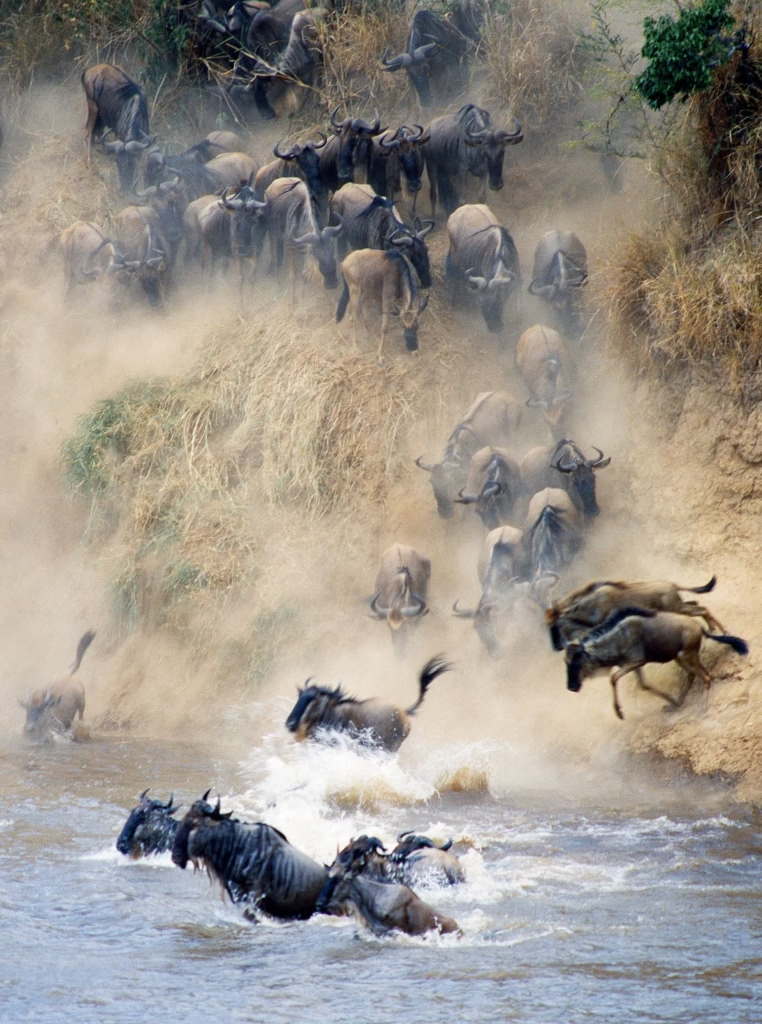
Between July and October, this where the Great Migration herds gather to cross the Mara River, one of nature’s most exhilarating events. But even outside migration season, the area remains spectacular, with large prides of lions, elephant herds, and rolling hills dotted with fig trees.
Best For
Northern Serengeti is best for
- Witnessing the Mara River Crossings
- Off-the-beaten-path lodges
- Private, exclusive safaris
Western Corridor
The Western Corridor follows the Grumeti River as it snakes toward Lake Victoria. This region is particularly lush, with riverine forests and open grasslands that attract large numbers of animals.
From May to July, the Great Migration sweeps through here, and the Grumeti River Crossing offer a quieter, less crowded alternative to the Mara Crossings in the north. Resident wildlife, from hippos and crocodiles to colobus monkeys and hyena, makes it worth visiting at any time of year.
Best For
Western Corridor is best for
- Migration viewing in early dry season
- Scenic diversity
- Riverside lodges
Southern Serengeti
The Southern Serengeti is where the Great Migration begins each year. Between December and March, over two million wildebeest, zebra, and gazelle spread across the plains to calve, and where countless predators follow in the wake.
This is the Serengeti at its most dramatic – lions hunting under storm-lit skies, cheetahs sprinting across green plains, and newborn calves wobbling to their feet moments after birth. Outside of calving season, the area remains peaceful, with fewer visitors and sweeping views of untouched wilderness.
The Southern Serengeti is best for
- Calving season
- Predator action
- Sweeping photographic landscapes
Eastern Serengeti and Namiri Plains
This region was once a restricted research zone closed to the public for more than two decades, the Namiri Plains have become one of the Serengeti’s most extraordinary success stories. This remote corner of the eastern Serengeti was initially set aside for big cat conservation, and today it still carries that legacy.
Cheetahs rule the plains, often seen sprinting after gazelles across the open plains, while lions sprawl atop sun-warmed termite mounds and leopards melt into the acacia shadows.
With only a handful of small, high-end camps allowed to operate, Namiri remains blissfully untouched, the kind of place where you can drive for hour without seeing another vehicle. The atmosphere is raw and elemental, defined by the whisper of the wind through the grass and the distant roar of a lion at dusk.
Eastern Serengeti and Namiri Plains is best for
- Remote, uncrowded safaris
- Excellent big cat sightings
When to Go on a Serengeti Safari
Serengeti National Park is a year – round destination, but your experience will depend on what you want to see. The region’s weather patterns are defined by two rainy seasons, the “short rains” in November and December, and the “long rains” from March to May, with dry, sunny months in between.
Best Time for the Great Migration
The Great Migration is a year – round cycle, but the drama shifts across the Serengeti with the changing season. From December to March, the Southern Serengeti’s Ndutu region transforms into a vast nursey. More than half a million wildebeest calves are born within a few short weeks, drawing predators from every direction.
The plains glow with new life and electric tensions, cheetah chase through the emerald grass, hyenas patrol the edges of herds, and lions lie in wait beneath acacia trees. It is one of nature’s most extraordinary displays, where the beauty of renewal meets the rawness of survival.
As the rains fade, the herds begin their long trek northward, following the scent of rain and fresh pasture. From May to July, they surge through the Western Corridor, crossing the crocodile – infested Grumeti River, then push onward the Mara River in the north. Between July and October, the Great Migration reaches its most iconic phase as wildebeest and zebra face the perilous river crossings of the Northern Serengeti, a true spectacle of courage and instinct. When the rains return in late October and November, the herds turn south again, retracing their ancient path toward the calving grounds.
Migration Timeline Overview
- December – March: Calving season in the Southern Serengeti (Ndutu Area), lush landscapes and peak predator activity.
- May – July: Herds move through the Western Corridor, crossing the Grumeti River.
- July – October: River crossings in the Northern Serengeti, the most dramatic and famous stage.
- October – November: The herds begin their southward return to the calving plains
Best Time for General Game Viewing
Generally, game viewing in Serengeti National Park offers something special in every season, but each brings a distinct mood and rhythm to the landscape.
From June to October, the long dry season deliver the most dependable wildlife sightings. Water becomes scarce, drawing animals in large numbers to rivers and waterholes, while the thinning grass makes it easier to spot predators on the prowl. The days are warm and bright, the skies a flawless blue, and the crisp morning perfect for early game drives.
Also, it peaks safari season, when the Serengeti hums with life and energy at every turn you make.
From November to April, the rains return, painting the plains in a lush, emerald hue. This “green season” is quieter, with fewer visitors and a more tranquil pace. It is an exceptional time for bird watchers (migratory species arrive in dazzling plumage) and for photographers seeking dramatic skies and vibrant contrasts. Newborn animals add a tender note to the wilderness, and the afternoon storms lend the landscape a cinematic beauty. Whether you prefer the clarity and abundance of the dry season or the renewal and serenity of the rains, the Serengeti rewards traveller’s year – round.
Best Time Overview
- Dry Season (June – October): Cool mornings, warm days, clear skies, and excellent wildlife concentration.
- Wet Season (November – May): Lush and green, with occasional afternoon showers and superb birdwatching opportunities.