
How to Plan You First Safari to Serengeti National Park
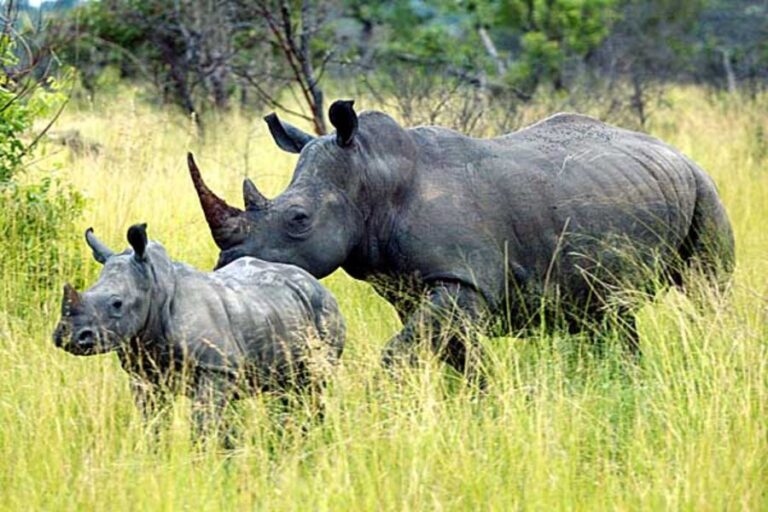
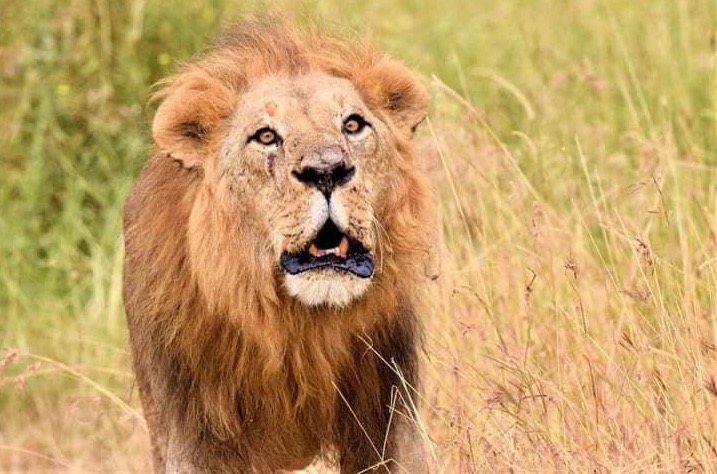
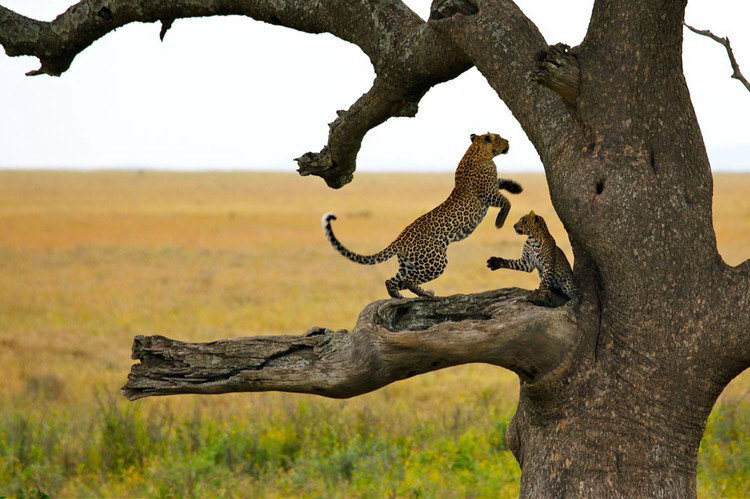
If you have never visited the iconic Serengeti before, this Tanzania Park is one of the greatest safari destinations in the world hosting most the iconic safari heavy weights including the big cats – lions, leopards and cheetahs, elephants and antelopes among others.
A perfect morning on a Serengeti Safari could begin with a sunrise balloon flight, drifting over a golden savannah. Down below, zebras call to each other with their distinctive, braying cries. After a champagne breakfast celebrating to the successful flight, you can scan for lions as your 4×4 vehicle makes its way through herds of wildebeests, before arriving at your safari lodge or camp with tents shaded by acacia, kigelia or commiphora trees.
Serengeti National Park in Tanzania is one of East Africa’s finest safari destinations, the park is also listed as a UNESCO Heritage Site and together with the Ngorongoro Crater, and they are part of the Serengeti – Ngorongoro Biosphere Reserve. Together with Kenya’s Maasai Mara, the Serengeti is the arena for one of the world’s greatest natural spectacles – the annual Great Migration of around 1.8 million wildebeests, zebras, and gazelles.
The restless herds, as we as the big cats and Nile crocodiles that prey on them, are genuinely impressive. Visitors will find plenty of flora and fauna to discover in this complex, ecologically sensitive region. Serengeti’s 3.7 million acres of acacia-dotted grasslands and woodlands, strewn with granite outcrops and watered by rivers such as the Grumeti and Mara, provide habitats for dozens of species, including giraffes, elephants, baboons and lilac – breasted rollers.
Where to find the best views in Serengeti
Even if you don’t go ballooning, you can 360 degree panoramas. Serengeti’s many kopjes, weathered granite boulder stacks which trap just enough water to support miniature ecosystems are natural viewpoints. Most can only be accessed by vehicle or admired from below.
Still, visitors can walk up the kopje near Naabi Hill Gate for beautiful savannah views, or book a guided climb of the Moru Kopjes to admire the sweeping central plains, south of Seronera.
Best Wildlife Viewing Spots
In the Serengeti, wildlife can appear almost everywhere at any moment. If you are pinning your hopes on witness a Great Migration River Crossing, base yourself near Kogatende in the north, within driving distance of the Mara’s riverbanks. The action peaks between August and September.
By October and November, the herds usually move to the eastern section of the park. It is the perfect time to see cheetahs in the Namiri Plains region, a former cheetah sanctuary, east of Seronera. If you would prefer to see wildebeests defending their newborn young not only from cheetahs but also from other predators, head for Ndutu in the south, between December and March. February and March are the best times for sightings.
To northeast, with giraffes moving through the trees is extraordinarily beautiful, as are the Great Kopjes in the central Serengeti, especially when lions and leopards rest in the open.
Ranger Recommendations
Tanzania National Parks Authority “TANAPA”, the national parks authority is well aware that safari experiences need to be as responsible and sustainable as possible. So, it is important to follow their rules and only step down from your vehicle when it is safe. Remember, too, that there is far more to see than the migration, you can seek lions on the kopjes, or cheetahs on the plains.
Top Serengeti Experiences
Guided nature drives “Game Drives” are the usual way to explore the Serengeti National Park. Tour operators and safari camps arrange these, providing snacks and sundowners to enjoy at picturesque spots. If you opt to rent your own 4×4 in Arusha or another Tanzanian hub, it is worth hiring a local guide, either separately or as part of a package.
The origins of the name Serengeti are as hazy as the sky on a dusty, dry – season afternoon. However, locals say it is derived from a Maasai word for endless plains – a fitting description of the central grasslands. Hot air ballooning offers an eagle’s eye view, allowing you to appreciate the landscape’s scale and maybe spot wildlife from above.
Best Hiking Trails in the Serengeti
Serengeti National Park doesn’t have official hiking trails, but some camps organise guided bushwalks in quiet wilderness areas, accompanied by an armed TANAPA Ranger. These vary from hour – long stroll to multi – day walking safaris, tuning into the sounds and scents of the bush and fly-camping in a different spot each evening.
Best Things to do with Families in Serengeti
For kids with a passion for nature, guided drives are wild and exciting. Many of the Serengeti’s animals are easy to spot, so you can dial down the length of your excursions to suit your family’s attention span, with no fear of missing out.
The most family-friendly places to stay have swimming pools to splash in between drives and organized craft sessions and nature walks in the safety of camp.
Where to stay in Serengeti National Park
There are several accommodation options in Serengeti National Park ranging from budget, midrange to luxury including
- Elewana Serengeti Migration Camp
- Serengeti Bushtops
- Warangi Ridge
- Tanzania Bush Camps
- Serengeti Serena Safari Lodge
Accessing Serengeti National Park
Overland, the main gate is Naabi Hill, west of Arusha. Alternative entry gates include Ndabaka in the west and Klein’s Gate in the northeast. The busiest airstrip – Seronera is located in the centre of the park. Other Serengeti airstrips include Kogatende in the north, Grumeti in the west, and Kusini or Ndutu in the south.
When to Go to a Serengeti Safari
Serengeti National Park is busy from July to September, when it is dry, and wildlife stays predictably close to the remaining water sources. The quieter green season, November to March, is excellent for birdwatching.
Most avoid April and May, the rainiest, muddiest months.